2025 Top 5 Passenger Tires: Expert Picks for Safety, Durability, and Performance
As the automotive industry continues to evolve, selecting the right passenger tires has become crucial for both safety and performance. According to recent data from the Tire Industry Association, nearly 30% of vehicular accidents are attributed to tire-related issues, emphasizing the need for high-quality options that ensure reliability on the road. In 2025, advancements in tire technology and materials promise to enhance not only the durability but also the traction and fuel efficiency of passenger tires, making it imperative for consumers to stay informed about the top choices available in the market.
With countless brands and models to choose from, tire performance is measured through various factors including tread life, grip in various weather conditions, and noise reduction. The American Automobile Association (AAA) highlights that well-maintained tires can improve fuel efficiency by up to 3%, showcasing how the right selection can also contribute to lower running costs. In this article, we will explore the top five passenger tires for 2025, selected by industry experts based on rigorous testing and consumer feedback, aiming to guide drivers toward making informed choices that enhance their overall driving experience.

Top Trends in Tire Technology for 2025: Innovations Driving Safety and Performance
As the tire industry evolves, emerging technologies are driving significant advancements in safety, durability, and performance. According to a recent market study, the global two-wheeler tire market is expected to expand from $9.89 billion in 2025 to $17.14 billion by 2032, reflecting a robust compound annual growth rate (CAGR) of 8.2%. This growth is largely fueled by innovative tire technologies that enhance rider safety and overall performance, making it essential for manufacturers to keep up with these trends.
The focus on electric vehicles (EVs) is also transforming the tire market landscape, particularly in the Asia Pacific region. The Asia Pacific EV tire market is projected to grow at a CAGR of 10.4%, with a market size estimated at USD 8.9 billion in 2024. This surge is indicative of the increasing demand for specially designed tires that cater to the unique requirements of electric vehicles. Additionally, advancements in sustainable tire resources and eco-friendly materials are expected to shape the future of tire manufacturing, allowing companies to meet both consumer needs and environmental responsibilities. As technology continues to advance, understanding these trends will be crucial for stakeholders within the automotive tire market through 2025 and beyond.
Key Metrics for Evaluating Tire Durability: Understanding Treadwear and Load Ratings
When it comes to choosing the best passenger tires for 2025, understanding key metrics like
treadwear and
load ratings is essential.
Treadwear refers to the lifespan of a tire, indicating how long it can perform optimally under regular driving conditions. Tires are rated with a
treadwear grade, a number that reflects their durability compared to other tires. A higher number suggests a longer-lasting tire, making it a critical factor for drivers who prioritize
longevity and value.
Load ratings, on the other hand, play a pivotal role in tire selection, impacting safety and performance. This rating signifies the maximum weight a tire can support without risk of failure. A tire with an
appropriate load rating ensures that it can handle the weight of the vehicle along with passengers and cargo. Choosing tires with suitable load ratings is essential for maintaining vehicle
stability and preventing tire blowouts, particularly for heavier vehicles. Thus, when selecting tires for 2025, paying attention to these metrics will help ensure not only safety on the road but also a reliable driving experience.
The Impact of Weather Conditions on Tire Performance: Analyzing Wet and Dry Traction Data
When evaluating passenger tires for 2025, understanding the impact of weather conditions on tire performance is crucial. Wet and dry traction are two of the most critical aspects, as tires must effectively grip the road in varying climates. In wet conditions, the ability of a tire to channel water away from its surface is vital to prevent hydroplaning, which can lead to loss of control. Tires designed with advanced tread patterns and rubber compounds specifically engineered for wet traction show superior performance, significantly reducing stopping distances and improving handling.
Conversely, dry traction characteristics depend heavily on the tire's composition and profile. Tires designed for dry conditions often feature a stiffer sidewall and a larger contact patch, allowing for maximum grip and responsiveness. Analyzing performance data reveals that the best models excel not just in one area but offer a balanced capability across both wet and dry conditions. This dual performance ensures safety and reliability, making these tires suitable for various driving environments throughout the year.
Safety Standards in Tire Manufacturing: Ensuring Compliance with Industry Regulations and Tests
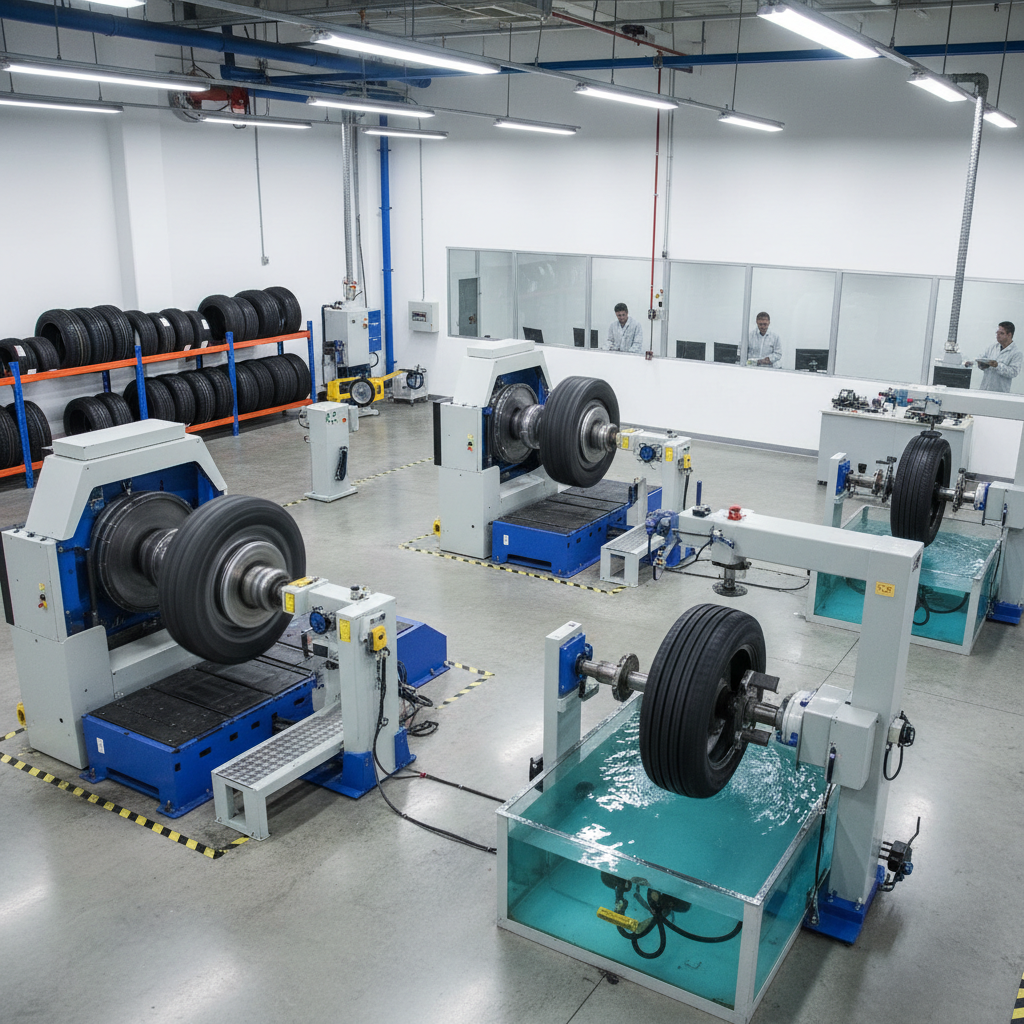
Safety standards in tire manufacturing are crucial for ensuring that consumers receive products that perform reliably under various conditions. The Tire Industry Association (TIA) emphasizes that adherence to industry regulations and rigorous testing methods is essential to maintain high safety and quality standards. Notably, tires must comply with the Federal Motor Vehicle Safety Standards (FMVSS) in the U.S., which require extensive performance testing that evaluates factors like tread durability, traction, and resistance to blowouts. According to a 2022 report from the National Highway Traffic Safety Administration (NHTSA), over 400 tyre-related accidents could be attributed to faulty or substandard tires each year, highlighting the importance of stringent compliance.
When selecting tires, consumers should look for certification marks indicating that the product has met specific safety criteria. It's essential to consider tires that have been tested for compliance with the American Society for Testing and Materials (ASTM) standards, which provide comprehensive guidelines for tire performance. Always check for user reviews and independent testing results to ensure the tires you choose not only meet but exceed safety regulations.
**Tips:** To enhance tire safety, regularly check tire pressure and tread depth, as these factors directly influence performance. Additionally, it’s advisable to replace tires every six years, even if they appear in good condition, to avoid the risks associated with aging rubber.
Consumer Insights on Tire Preferences: What Data Reveals About Safety and Performance Priorities
In the evolving tire market, understanding consumer preferences is crucial for manufacturers. A recent survey reveals that
safety and performance are at the forefront of buyers' minds when selecting tires.
Shoppers increasingly prioritize features that enhance vehicle safety, such as improved traction and stability in various
weather conditions. Additionally, durability and longevity are key
factors that influence purchasing decisions, as consumers seek tires that deliver value over their lifespan.
When it comes to making a smart tire purchase, here are a few tips:
- First: consider the type of driving you do—urban commuting, off-road adventures, or highway
cruising can all require different tire specifications.
- Second: don’t overlook the value of online reviews and ratings; they provide valuable insights
from other consumers about tire performance over time.
- Lastly: evaluate brands based on their commitment to sustainability, as eco-friendly options are gaining popularity among
conscientious shoppers.
This data-driven approach can help consumers choose the best tires for their needs
while supporting environmentally responsible practices.