What is All Season Tire Performance and Benefits of Yokohama Tires
All season tires have become an essential choice for drivers seeking versatility and reliability across varying weather conditions. Among the various options available, Yokohama tires all season stand out for their exceptional performance and innovative design. These tires provide a balanced solution, combining the benefits of summer and winter tires, making them suitable for diverse road conditions and climates.
The performance of Yokohama tires all season is characterized by their enhanced grip, stability, and longevity. They are engineered to maintain optimal traction in both wet and dry conditions, resulting in improved safety and handling. Additionally, the tread pattern and rubber compounds used in these tires are specifically tailored to adapt to fluctuating temperatures, ensuring that drivers can navigate through rain, light snow, and even moderate heat with confidence.
Investing in Yokohama tires all season not only promotes a smooth and comfortable ride but also contributes to cost savings over time. With their durability and performance, these tires reduce the need for frequent replacements, allowing drivers to enjoy peace of mind on the road. In conclusion, selecting the right all season tires is crucial for enhancing both the driving experience and vehicle performance, making options like Yokohama tires a compelling choice for today's drivers.

What Are All Season Tires and Their Key Features?
All-season tires are designed to perform well under a variety of driving conditions, making them a popular choice for drivers who experience fluctuating weather. The key features of all-season tires include a versatile tread design that provides adequate grip on both wet and dry roads. The tread patterns are often optimized for a balance of handling, comfort, and longevity. These tires typically incorporate specific rubber compounds that remain flexible in a range of temperatures, allowing for better traction during both warm and cool weather.
Another significant characteristic of all-season tires is their durability. Built to withstand mile after mile of driving, they offer a longer lifespan compared to specialized tires. Many all-season options also come with a reinforced sidewall design, enhancing their resistance to punctures and road hazards. Additionally, their design often minimizes road noise, contributing to a smoother ride, which is particularly beneficial for daily commutes or long-distance travel. This combination of features enables all-season tires to cater to a wide audience, providing peace of mind for drivers without the need for frequent tire changes based on changing seasons.
What is All Season Tire Performance and Benefits of Yokohama Tires - What Are All Season Tires and Their Key Features?
| Feature |
Description |
Benefits |
| All-Weather Traction |
Designed to perform in varied weather conditions. |
Improves safety and performance in rain and light snow. |
| Longevity |
Constructed with durable materials. |
Longer tire life, reducing replacement frequency. |
| Comfortable Ride |
Designed for a quieter and smoother driving experience. |
Enhances overall driving comfort. |
| Fuel Efficiency |
Engineered to reduce rolling resistance. |
Helps in achieving better gas mileage. |
| Versatility |
Suitable for diverse driving conditions and terrains. |
Ideal for drivers who experience changing conditions. |
Understanding the Importance of Tire Performance for Different Conditions
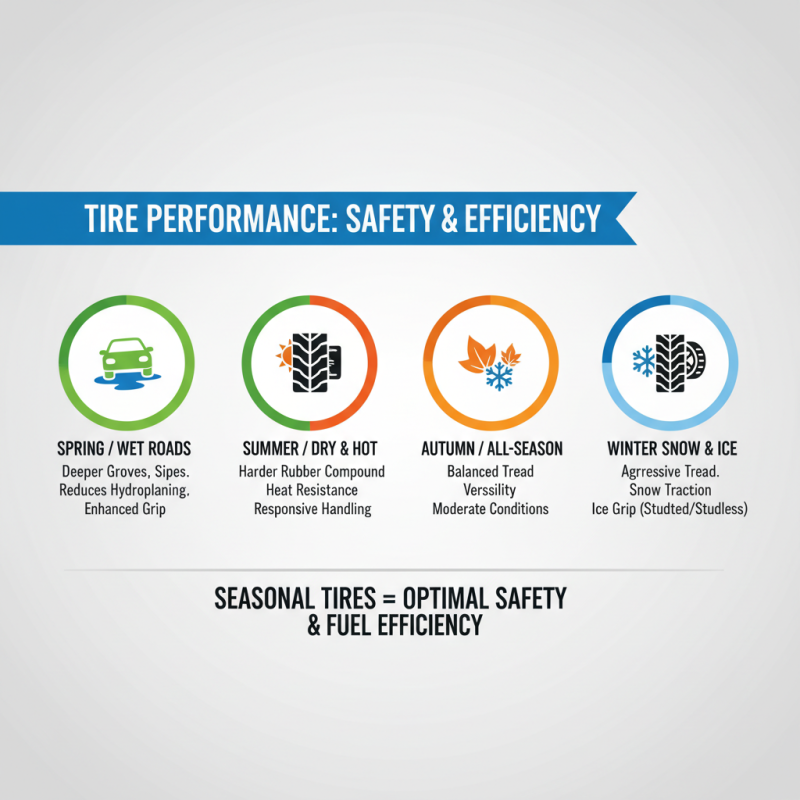
Tire performance is a crucial aspect of vehicle safety and efficiency, especially when considering the diverse driving conditions encountered throughout the year. Different weather elements, such as rain, snow, or extreme heat, significantly affect how tires grip the road, respond to steering, and impact fuel consumption. For example, in wet conditions, tires designed with deeper grooves and specialized tread patterns can effectively channel water away, reducing the risk of hydroplaning. This highlights the importance of choosing the right tires that align with seasonal demands to ensure optimal safety and performance.
All-season tires are engineered to deliver a balanced performance across various conditions, making them a practical choice for many drivers. They provide adequate traction in light snow while also maintaining stability during dry conditions. Understanding the specific requirements of tire performance allows drivers to make informed decisions tailored to their driving habits and environmental factors. By prioritizing tire maintenance and selecting high-quality options, drivers can enhance their vehicle's overall performance, ensuring a safer and more efficient driving experience year-round.
Overview of Yokohama Tires and Their All Season Offerings
Yokohama Tires offers a diverse range of all-season tire options designed to cater to varying driving conditions and preferences. These tires are engineered to deliver balanced performance, ensuring that drivers experience reliable traction on both wet and dry roads throughout the year. Their tread patterns are carefully crafted to enhance grip, while also facilitating effective water evacuation to minimize the risk of hydroplaning during rainy days.
In addition to traction, Yokohama's all-season tires are built for comfort and efficiency. The rubber compounds used in their construction feature a blend that strikes a balance between durability and ride quality, contributing to longer tread life and a smoother driving experience. This versatility makes them an attractive option for those seeking a tire that can perform well across different seasons without the need for frequent replacements or seasonal changes.
Overall, the combination of technology and design in these tires serves to meet the demands of modern driving, providing peace of mind for everyday use.
Benefits of Using Yokohama All Season Tires for Vehicle Owners
All-season tires are designed to deliver reliable performance across a variety of weather conditions, making them an ideal choice for vehicle owners who experience fluctuating climates. One notable advantage of using high-quality all-season tires is their ability to provide excellent traction on both wet and dry surfaces. According to the Tire Industry Association, proper all-season tires can enhance vehicle safety by 30% compared to inadequate winter tires in moderate conditions. This is particularly beneficial for drivers who may encounter rain and light snow intermittently.
Investing in all-season tires also offers long-term financial benefits. Reports from automotive industry analysts indicate that high-performance all-season tires, such as those designed by leading manufacturers, can last up to 60,000 miles, reducing the need for frequent replacements. This durability can translate into significant savings for vehicle owners while ensuring continuous, dependable performance throughout the year.
Tips: When selecting all-season tires, consider checking for the "M+S" marking, which indicates a tire's capability for mud and snow. Additionally, regular tire rotations can further extend their lifespan and improve handling characteristics. Schedule these rotations approximately every 5,000 to 7,500 miles to maintain optimal performance. By caring for your all-season tires, you ensure they remain in peak condition, ready to tackle whatever roads may come your way.
Comparative Analysis: Yokohama All Season Tires vs. Other Brands
All-season tires are engineered to offer a balance of capabilities across various weather conditions, making them a popular choice among drivers. When comparing the performance of all-season tires from different brands, it's essential to delve into specific attributes such as tread design, rubber compound, and overall durability. Recent industry reports indicate that leading all-season tires can achieve a tread life of up to 70,000 miles, showcasing the long-lasting nature of high-quality models. Furthermore, studies have revealed that all-season tires can provide 20% better handling performance in wet conditions compared to standard tires, illustrating their enhanced grip.
Yokohama tires are often highlighted in comparative analyses for their innovative technology and commitment to quality. In head-to-head comparisons, they generally surpass competing brands in areas such as noise reduction and ride comfort, which are critical for drivers seeking a smooth driving experience. Data from tire testing organizations show that some models achieve a 15% lower rolling resistance compared to rivals, contributing to improved fuel efficiency. This distinction can lead to significant cost savings over time, especially for those who cover extensive distances.
Tips for selecting all-season tires include reviewing independent testing data and user reviews to gauge real-world performance. It's also advisable to consider the climate in your area; if you live in regions with severe winter conditions, a dedicated winter tire may provide superior performance during the cold months. Lastly, regular tire maintenance, including proper inflation and alignment checks, can significantly extend the lifespan and effectiveness of your all-season tires.
Performance Comparison of All Season Tires