Why Choose All Season Tires for Your Vehicle: Benefits and Considerations
In today's evolving automotive landscape, choosing the right type of tires for your vehicle can significantly impact safety, performance, and cost-effectiveness. All season tires have emerged as a popular choice among drivers due to their versatility, designed to perform well across a range of weather conditions including rain, light snow, and dry pavement. According to the Tire Industry Association, nearly 40% of drivers opt for all season tires, highlighting their appeal for daily commuters and long-distance travelers alike. This trend reflects a growing understanding of the value that all season tires bring to the driving experience.
Expert tire analyst Dr. Lisa Bennett emphasizes this point, stating, "All season tires are engineered to provide a balanced performance that can cater to various driving conditions without the need for frequent replacements." With advancements in technology and design, modern all season tires leverage innovative tread patterns and rubber compounds that enhance grip and durability. As more consumers analyze their driving habits and regional weather variations, the choice to adopt all season tires becomes increasingly logical, balancing safety, convenience, and expense. Understanding the benefits and considerations of these multi-functional tires can help you make an informed decision, leading to a smoother and more secure ride.

Understanding All Season Tires: Definition and Features
All season tires are designed to provide a balanced performance across a variety of weather conditions, making them a popular choice for many drivers. These tires are constructed with a unique tread design and rubber compounds that offer decent traction on both wet and dry roads. They typically feature a symmetric tread pattern, which enhances stability and provides a smoother ride. This combination allows all season tires to handle light snow and rain, making them suitable for areas with moderate weather fluctuations throughout the year.
One of the key characteristics of all season tires is their versatility. They are engineered to function optimally in multiple conditions, which means drivers can enjoy consistent performance without the need for seasonal tire changes. Additionally, all season tires tend to have a longer lifespan compared to summer or winter tires, as they are built to withstand a wider range of temperatures and road surfaces. This durability not only enhances their value but also contributes to a more convenient driving experience, allowing owners to focus on the road rather than the upkeep of their vehicle's tires.
Advantages of All Season Tires for Various Driving Conditions
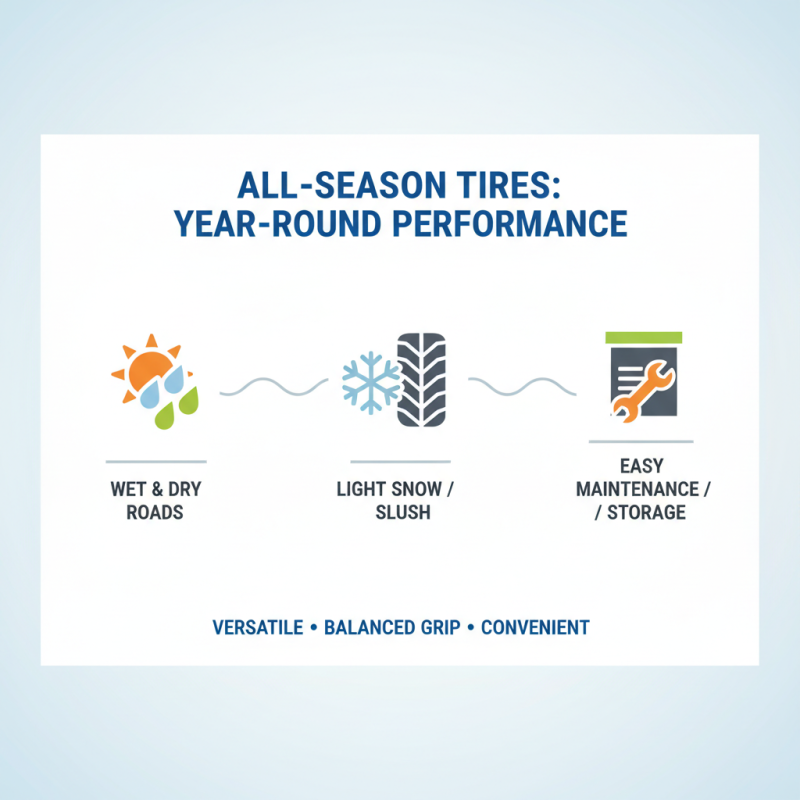
All season tires are a versatile option for drivers looking to enhance their vehicle's performance across a variety of conditions. These tires are designed to provide balanced handling and grip in both wet and dry weather, making them suitable for spring showers and summer heat alike. One of the key advantages of all season tires is their ability to perform adequately in light winter conditions, such as slush or light snowfall, without the need for a dedicated winter set. This versatility can greatly simplify maintenance and save on storage space for seasonal tire changes.
Tips: When selecting all season tires, ensure they fit your driving habits and local climate. Look for tires with a good tread wear rating, as this will give you a sense of their longevity and performance over time. Regularly checking tire pressure and tread depth will further enhance safety and efficiency.
Additionally, all season tires can be an economical choice for drivers who may not face extreme weather conditions. They eliminate the need for switching tires seasonally, reducing overall costs related to tire purchases and services. However, it’s important to recognize that while all season tires can handle a range of conditions, they may not perform as well as specialized tires during extreme weather events. Understanding your own driving needs will help determine whether all season tires are the right choice for you.
Considerations When Choosing All Season Tires for Your Vehicle
When considering all season tires for your vehicle, several factors come into play that can significantly affect your driving experience. First and foremost, assess your typical driving conditions. If you reside in an area with mild weather and occasional rain, all season tires can provide a balanced performance that caters to both wet and dry surfaces. However, if you frequently encounter extreme weather conditions, such as heavy snow or ice, it may be more beneficial to invest in specialized tires for those seasons.
Additionally, it is important to evaluate the tread pattern and rubber compounds used in all season tires. Optimal tread design can enhance traction, while the right rubber blend can ensure durability and performance in diverse temperatures. You should also consider your driving style; for instance, if you frequently engage in spirited driving or require enhanced handling, these tires might not meet your needs compared to performance-oriented options. Taking these considerations into account will help you make a well-informed choice that aligns with your driving habits and local climate conditions.
Comparing All Season Tires to Seasonal and Performance Tires
When it comes to tire selection, understanding the differences between all-season tires, seasonal tires, and performance tires is crucial for optimizing vehicle performance.
All-season tires are designed to provide a balance of capabilities, performing adequately in a variety of weather conditions, including dry, wet, and light snow.
According to industry data from the Tire and Rubber Association, all-season tires can reduce the need to swap tires seasonally, which can save consumers time and money in the long run.
For instance, switching to all-season tires can lead to a reduction of approximately 20% in annual maintenance costs, particularly in regions with moderate climates.
In contrast, seasonal and performance tires serve more specialized purposes.
Seasonal tires, including winter and summer variants, excel in extreme conditions but require frequent changes that can incur added costs.
Performance tires, which are engineered for enhanced grip and handling, are ideal for sports cars or performance-oriented vehicles but often sacrifice comfort and tread life.
According to a recent report by the Automotive Tire Industry Council, performance tires wear out 30% faster than all-season options due to their softer rubber compounds and tread designs focused primarily on handling and cornering.
Thus, while they offer superior performance under specific conditions, they may not be the most economical choice for everyday drivers looking for versatility without excessive maintenance.
Maintenance Tips for Maximizing All Season Tire Life and Performance
To maximize the life and performance of your all-season tires, regular maintenance is essential. One of the most important aspects of tire maintenance is checking and maintaining proper tire pressure. Under-inflated tires can lead to increased wear, reduced fuel efficiency, and compromised traction. Conversely, over-inflation can result in a harsher ride and quicker wear on the center tread. Aim to check your tire pressure at least once a month and adjust it according to the vehicle's specifications outlined in the owner’s manual.
Additionally, performing regular rotations can significantly enhance tire longevity. It is advisable to rotate your tires every 5,000 to 7,500 miles, or as recommended by your vehicle's manufacturer. This practice promotes even wear across all tires, which is particularly important for vehicles with different front and rear weight distributions. Regular alignment checks are also crucial; misalignment can cause uneven tread wear and affect vehicle handling. Maintaining a clean tire surface and ensuring proper alignment will not only extend the life of your all-season tires but also enhance the overall performance of your vehicle.
Benefits of All Season Tires Over Time
This chart illustrates the various benefits of using all season tires on a scale from 1 to 10, highlighting their cost efficiency, versatility, safety, longevity, and ease of maintenance. Understanding these factors can help you make informed decisions about tire choices for your vehicle.