How to Choose Winter Car Tires for Optimal Performance and Safety?
Choosing the right winter car tires is vital for safety and performance. The cold months bring unique challenges. Roads may be icy, snowy, or slushy. Having the right tires makes all the difference in grip and control.
Winter car tires are specially designed to handle these conditions. They feature deeper tread patterns and softer rubber compounds. This helps maintain traction on slippery surfaces. However, not all winter tires are created equal. Some may perform poorly in certain conditions or last less long than expected.
It's essential to consider factors such as tire size and tread design. The wrong choice could lead to inadequate performance. You may end up facing unexpected hazards. Reflecting on these choices can ensure a safer driving experience. Ultimately, investing in quality winter car tires is a decision that deserves careful thought.
Understanding the Importance of Winter Tires for Cold Weather Driving
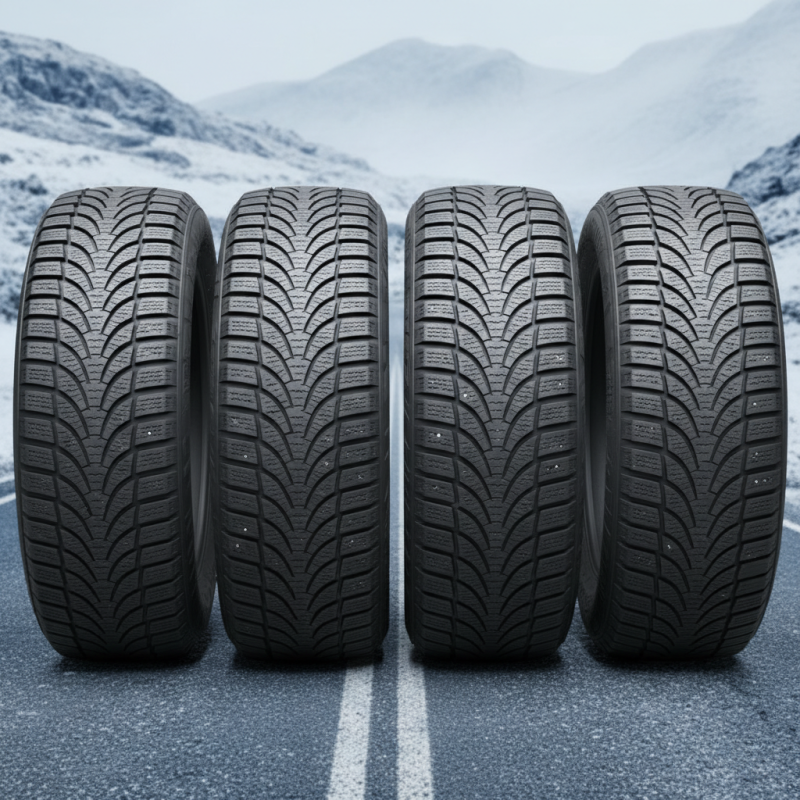
Winter tires are essential for safe driving when temperatures drop. Regular tires lose grip on icy roads. Winter tires have deeper treads and special rubber compounds that stay flexible in cold weather. This design helps maintain traction. For instance, studies show that vehicles on winter tires stop significantly faster on snow and ice.
Driving without winter tires in colder climates can be risky. Some drivers might think all-season tires will suffice. They may not realize the dangers of reduced control. Ice can form unexpectedly, leaving many unprepared. The peace of mind that comes from investing in the right tires is invaluable. It’s about enhancing safety for you and others on the road.
Choosing the right winter tires is crucial. Look for features like wider grooves and strategically placed sipes. These design elements improve grip on wet and snowy surfaces. Consider your driving habits too. Do you frequently face heavy snow? Or are icy roads a rare occurrence? Understanding your needs makes a difference. Each choice reflects your priorities for safety and performance during winter months.
Key Features to Look for in Winter Car Tires
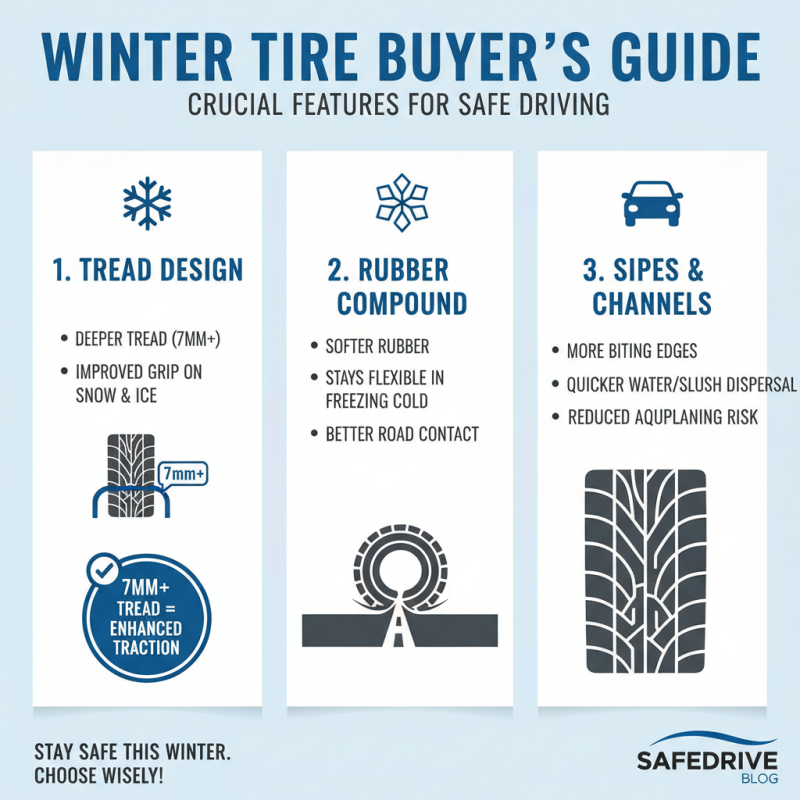
Choosing the right winter car tires is crucial for safe driving. Look for specific features to ensure optimal performance. Tread design is key. A deeper tread can improve grip on snow and ice. Studies show that tires with a tread depth of 7mm or more significantly enhance traction. Softer rubber compounds remain flexible in freezing conditions, allowing for better road contact.
Consider the studded vs. studless debate. Studded tires provide superior traction on icy surfaces but can wear down on dry roads. This leads to uneven wear and may compromise longevity. On the other hand, studless options are versatile. They offer solid performance in both snow and rain. One industry report notes that nearly 60% of drivers prefer studless tires due to their adaptability.
Pay attention to tire ratings. Look for tires that have been tested under winter conditions. Ratings often reflect how well a tire performs in snow, ice, and wet weather. However, keep in mind that not all tires are the same. Some may excel in one area but fall short in another. Be aware of your local driving conditions. This can affect your choice significantly.
Types of Winter Tires: Studded vs. Non-Studded Options
When winter arrives, choosing the right tires is crucial for safety. There are mainly two types of winter tires:
studded and non-studded.
Studded tires come with metal studs embedded in their tread pattern. These provide extra grip on icy roads. They can be highly effective in severe winter conditions.
However, they might not be allowed everywhere due to road regulations.
Non-studded tires, on the other hand, offer a different approach. They use specialized rubber compounds and intricate tread designs to enhance traction.
These tires can handle slushy and snowy conditions with ease. They tend to produce less road noise compared to studded tires.
Yet, their performance on icy surfaces may not match that of their studded counterparts. You need to weigh your options carefully.
Tips: Always consider the typical winter driving conditions in your area.
If your region experiences frequent ice, studded tires may be the better choice. Conversely, if you encounter more snow and mud,
non-studded tires could be more effective. Make sure to check local laws regarding tire regulations.
Don't overlook the importance of maintaining proper tire pressure, especially in colder months.
A well-maintained tire can significantly improve your safety on the road.
Measuring Tire Performance: Tread Depth, Grip, and Traction
When choosing winter car tires, understanding tread depth, grip, and traction is crucial for safety. Tread depth affects how well your tires perform in snow and ice. A depth of at least 6/32 inches is often recommended. This allows tires to channel snow and water efficiently. Tires with too little tread can lead to poor handling and increased stopping distances. It's always wise to measure your tread depth regularly.
Grip is another vital factor. The rubber compound used in winter tires is designed to stay flexible in cold weather. This flexibility helps maintain contact with the road, improving grip. A tire’s design, including its grooves and patterns, also contributes to its ability to grip snowy surfaces. However, not all patterns perform equally on all types of snow. Some drivers might notice slippage during sharp turns.
Traction plays a significant role in winter driving. A tire that lacks adequate traction can be a recipe for disaster during winter storms. Understanding how your vehicle interacts with snow and ice is important. Many drivers forget that even with winter tires, caution is necessary. Too often, drivers underestimate poor conditions. A moment of reflection can lead to better decisions on the road.
How to Choose Winter Car Tires for Optimal Performance and Safety?
| Tire Type |
Tread Depth (mm) |
Grip Rating |
Traction Performance |
Temperature Resistance (°C) |
| Studded Tires |
8 |
Excellent |
High |
-20 to -30 |
| Studless Tires |
10 |
Very Good |
Moderate |
-10 to -25 |
| All-Season Tires |
7 |
Good |
Low |
-5 to -15 |
| Performance Winter Tires |
9 |
Excellent |
High |
-20 to -30 |
Tips for Proper Winter Tire Maintenance and Safety Checks
Winter tire maintenance is crucial for performance and safety. Proper inflation is key. Studies show that under-inflated tires can reduce performance by up to 20%. Regularly checking tire pressure can prevent unnecessary tire wear. Cold temperatures can lower tire pressure quickly. It's recommended to check it monthly during the winter months.
Tread depth is another vital aspect. A minimum tread depth of 4/32 inches is advisable for winter driving. Some experts recommend even deeper treads for extreme conditions. Worn tires struggle for grip on icy roads. Use a tread depth gauge to measure accurately or the penny test as a quick reference.
Keeping tires clean is also important. Road salt and grime can affect traction. Wash your tires regularly to remove dirt buildup. This small step can significantly enhance grip and safety. Regular rotation and alignment checks help maintain even wear. These practices extend tire life and optimize performance. Ignoring these can lead to uneven wear and higher costs down the road.
Winter Tire Performance and Safety Metrics