How to Get Tires for Your Vehicle and Choose the Right Ones
When it's time to get tires for your vehicle, the choices can be overwhelming. Different types exist, each offering unique advantages. Consider your driving habits and the climate in your area. Do you drive off-road, or mostly on highways? Understanding your needs is crucial.
Selecting the right tires can enhance performance and safety. It can also improve fuel efficiency and comfort. But many people rush this decision. They may ignore tire specifications or choose based on price alone. This can lead to problems later. Reflecting on the purpose of your vehicle can help you make better choices.
Don’t forget to check the size and type recommended by your vehicle’s manufacturer. This is key to ensuring safety and performance. Many forget this step and encounter issues. Remember, getting tires isn’t just about making a purchase; it’s an investment in your vehicle’s longevity and your safety on the road.
Understanding Your Vehicle's Tire Specifications
Understanding your vehicle's tire specifications is crucial for safety and performance. Start by checking the owner's manual. It usually contains vital information about tire size, load index, and speed rating. These specifications ensure that tires fit correctly. Misunderstandings here can lead to poor handling or increased wear.
Tire sizes are typically represented by a series of numbers and letters. For example, a tire marked as 225/55R17 indicates width, aspect ratio, and rim diameter. Each element plays a role. A wider tire might provide better grip, while a smaller diameter can enhance fuel efficiency. However, selecting the wrong size can negatively affect your ride.
Don't overlook the load index. This indicates how much weight each tire can carry. Overloading can lead to blowouts. Additionally, consider the tread pattern. Different tires perform better in various conditions like snow, rain, or dry roads. Reflecting on these factors can make a significant difference. Finding the right tires isn't just a routine task; it's essential for your safety on the road.
Exploring Different Types of Tires and Their Uses
When choosing tires for your vehicle, it’s crucial to understand the various types available. Tires are not one-size-fits-all. Each type caters to specific conditions and driving styles.
All-season tires are versatile. They handle moderate climates well. These tires offer decent traction in rain and light snow. However, they may not perform well in extreme weather. In contrast, winter tires excel in cold, icy conditions. Their unique tread patterns grip snow. Still, they can wear out quicker on warm roads.
Tips: Always check tread depth. Worn-out tires can compromise safety. Consider your driving habits too. Do you often drive off-road? If so, all-terrain tires might be the best choice. This is not just about price; performance varies widely.
Performance tires enhance speed and handling. They’re designed for enthusiasts who want precision. However, they can be noisy and wear out quickly. Think about your priorities. Are you looking for comfort over sportiness? Then touring tires are worth considering, although they might lack that exhilarating feel.
Evaluate your driving environment. Urban roads differ from highways. Your choice of tire can greatly affect ride quality. These details matter. Take the time to research and reflect on what you need.
Assessing Your Driving Conditions and Needs
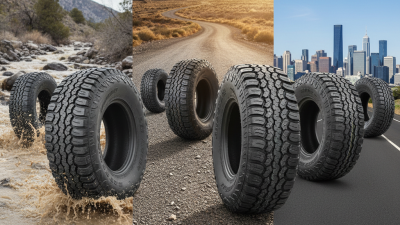
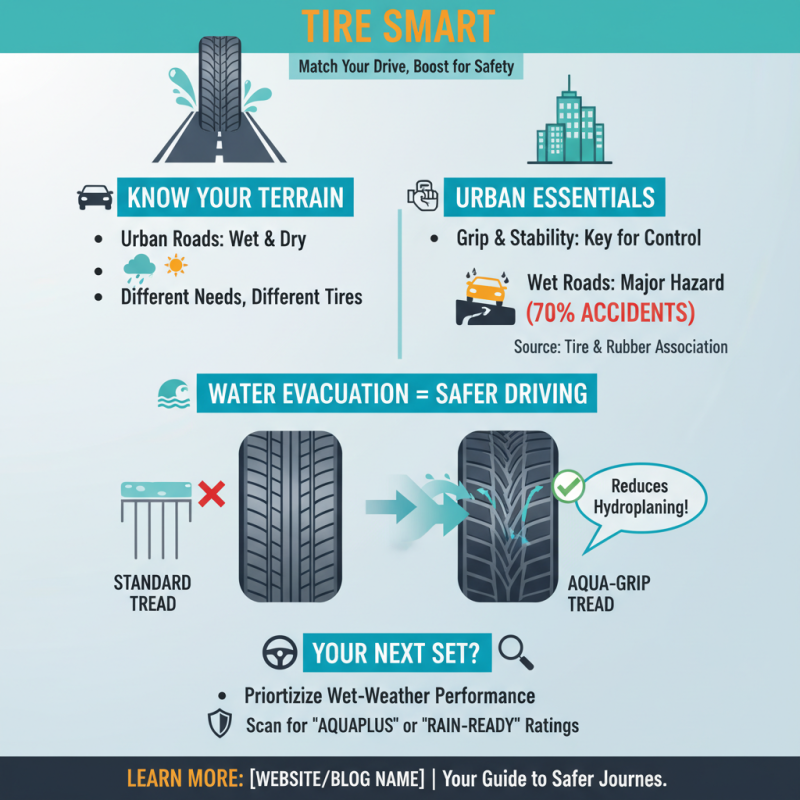
Choosing the right tires for your vehicle starts with understanding your driving conditions. Different terrains require different types of tires. For urban areas, most people encounter wet and dry roads, needing tires with excellent grip and stability. According to the Tire and Rubber Association, about 70% of accidents occur in wet conditions. So, opting for tires designed for better water evacuation can enhance safety.
If your driving involves off-road conditions, the requirements shift significantly. Mud and gravel terrains necessitate tires with deeper treads and sturdy sidewalls. A report from the American Automobile Association indicates that over 40% of off-road accidents are caused by using inappropriate tires. This underscores the importance of selecting tires that match your adventures.
Weather conditions also play a pivotal role. If you live in regions with snow and ice, all-season tires may not suffice. Studies show that winter tires provide up to 50% better traction in cold conditions. Ignoring these details can lead to compromised safety and performance. Driving style and habits also matter. Evaluate your routines to ensure the tires you choose align with your lifestyle.
Evaluating Tire Brands and Price Points
Choosing the right tires for your vehicle is crucial. With countless tire brands available, it can be overwhelming. Each brand offers different performance, durability, and pricing levels. Researching the tire specifications is essential. The best tire for your vehicle depends on your driving style and conditions.
Price points can vary significantly. Some brands are affordable, while others lean toward premium prices. High-cost tires often provide advanced technology or extended durability. However, a higher price does not always equate to better quality. Sometimes, mid-tier options perform just as well without breaking the bank.
Exploring options is part of the process. Read reviews and ask others about their experiences. Compare features like tread life, comfort, and noise levels. Reflect on what matters most for your driving needs. Sometimes, the response of a well-known tire may disappoint. Taking the time to evaluate your choices is critical. Small details can lead to more informed decisions.
How to Get Tires for Your Vehicle and Choose the Right Ones
| Tire Type |
Price Range |
Performance Rating |
Durability |
| All-Season |
$80 - $150 |
8/10 |
Good |
| Performance |
$120 - $250 |
9/10 |
Moderate |
| Winter |
$100 - $200 |
8.5/10 |
Excellent |
| Off-Road |
$150 - $300 |
9.5/10 |
High |
| Touring |
$90 - $180 |
8/10 |
Good |
Tips for Proper Tire Maintenance and Care
Proper tire maintenance is essential for safe driving and longevity. Regularly check tire pressure, as improper inflation can lead to blowouts. You can use a simple gauge to measure it. Remember, under-inflated tires wear unevenly and can decrease fuel efficiency. Visual inspection is key. Look for cracks, bulges, or any irregularities on the tires’ surface.
Rotating your tires every 5,000 to 7,500 miles helps distribute wear evenly. This ensures that each tire lasts longer. Balancing tires is also crucial; unbalanced tires can cause vibrations, leading to discomfort and additional wear. Don’t forget about tread depth. Use a penny to check. Insert it upside down; if you see Lincoln's entire head, it's time for a change.
Neglecting tire maintenance can lead to serious accidents. Many drivers overlook tire maintenance until it's too late. Take small steps now to avoid costly mistakes later. Keeping a maintenance log can help you track your tire care. Reflect on your driving habits as well. Aggressive driving can wear tires quicker, which is often an oversight we all make.