How to Properly Balance Tires for Better Driving Performance and Safety
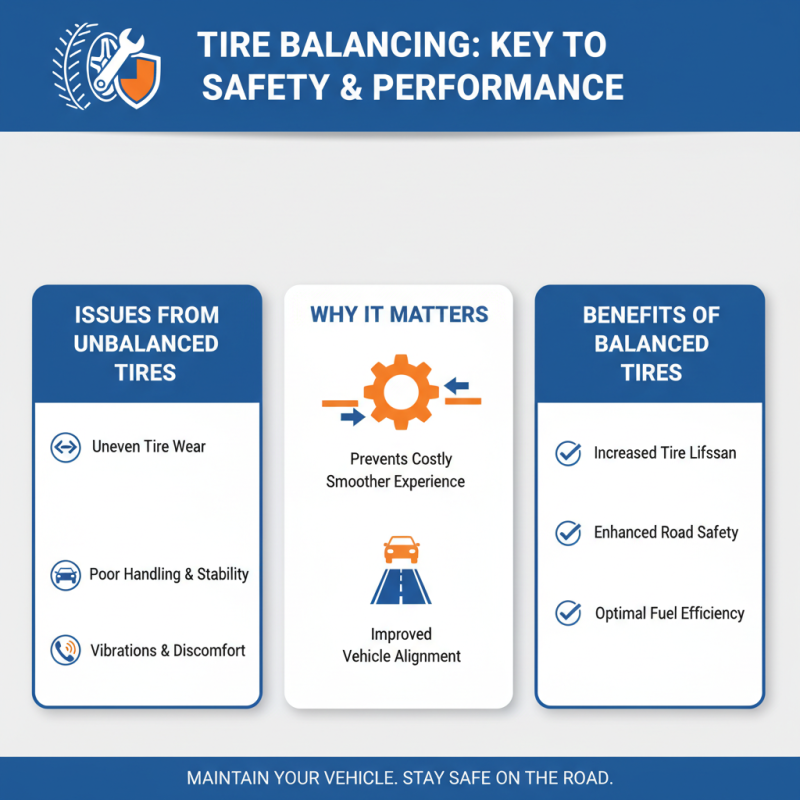
Balancing tires is a crucial aspect of vehicle maintenance that directly impacts driving performance and safety. When tires are correctly balanced, they ensure an even distribution of weight around the wheel, which can enhance handling, improve fuel efficiency, and extend tire life. Conversely, unbalanced tires can lead to a range of issues, from uneven tire wear to compromised vehicle stability, ultimately posing a safety risk to drivers and passengers alike.
Understanding the importance of balancing tires goes beyond simple mechanical adjustments; it encompasses the overall driving experience. Properly balanced tires contribute to smoother rides, reduced vibrations, and better traction, especially in challenging road conditions. As such, regular tire balancing can serve as a preventative measure, allowing drivers to maintain their vehicle in optimal condition and avoid costly repairs in the future.
In this article, we will explore the techniques and benefits of balancing tires effectively, highlighting key practices that every vehicle owner should adopt. By prioritizing tire maintenance, drivers can enhance their safety on the road and enjoy a more efficient, comfortable ride.
Understanding the Importance of Proper Tire Balancing
Proper tire balancing is a crucial aspect of vehicle maintenance that directly impacts driving performance and safety. When tires are unbalanced, it can lead to uneven tire wear, poor handling, and compromised stability on the road. As the tires rotate, any imbalance can create vibrations that not only detract from comfort but also affect overall vehicle alignment, potentially leading to costly repairs if left unaddressed. Understanding the importance of proper tire balancing can help drivers maintain their vehicles in peak condition and ensure a safer driving experience.
Tips for achieving optimal tire balance include regularly checking tire pressure and visual inspections for signs of wear. It’s recommended to balance tires every few thousand miles or whenever new tires are installed. Furthermore, consider having your tires aligned at the same time for a comprehensive approach to tire maintenance. Specialized tire balancing equipment, such as static and dynamic balancers, can accurately correct imbalances.
Additionally, pay close attention to driving habits that may contribute to imbalance, such as rapid starts and stops or frequent turns. Regularly rotating your tires can also help maintain even wear and prolong the life of your tires. By understanding and implementing these practices, drivers can enjoy better performance and, most importantly, enhanced safety on the road.
Common Signs of Imbalanced Tires and Their Effects on Performance
Imbalanced tires can significantly impact both the driving experience and overall vehicle safety. According to industry reports, approximately 15% of vehicles on the road have improperly balanced tires, which can lead to a range of performance issues. One of the most common signs of imbalanced tires is vibration felt in the steering wheel, particularly at higher speeds. This occurs because uneven weight distribution results in inconsistent tire contact with the road, leading to a jittery driving experience that can cause discomfort and fatigue, especially on long trips.
Another notable effect of imbalanced tires is uneven tire wear. Studies indicate that improperly balanced tires can decrease tire lifespan by up to 30%, leading to increased costs for vehicle maintenance and replacements. Additionally, as tires wear unevenly, traction is compromised, increasing the likelihood of losing control during adverse weather conditions. Recognizing these signs, such as steering wheel vibrations and abnormal wear patterns, is essential for drivers seeking to maintain optimal performance and safety on the road. Regular tire balancing checks can mitigate these issues, enhancing the driving experience and ensuring the longevity of your tires.
How to Properly Balance Tires for Better Driving Performance and Safety - Common Signs of Imbalanced Tires and Their Effects on Performance
| Signs of Imbalanced Tires |
Effects on Performance |
Recommended Action |
| Vibration in the steering wheel |
Loss of control and steering responsiveness |
Get tires balanced immediately |
| Uneven tire wear |
Reduced tire lifespan and efficiency |
Inspect and rebalance tires |
| Pulling to one side while driving |
Increased braking distance and fatigue |
Check alignment and balance |
| Noisy tires |
Discomfort and distraction while driving |
Evaluate tire condition and balance |
| Capacitive changes in ride quality |
Suboptimal handling and comfort |
Schedule regular tire balancing |
Step-by-Step Guide to Balancing Tires Effectively
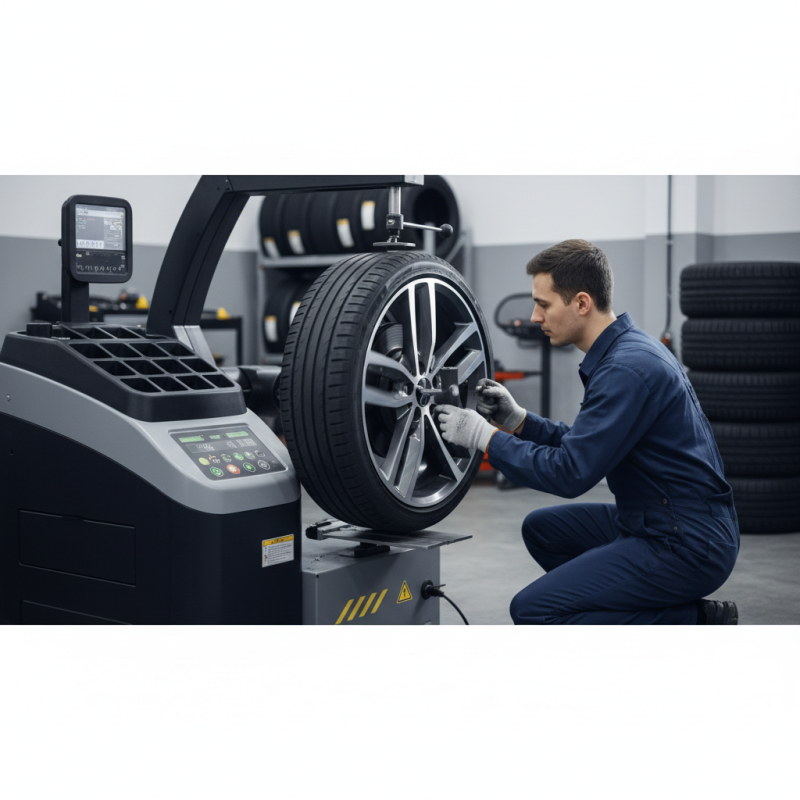
Balancing tires is a crucial maintenance step that enhances both driving performance and safety. To start, ensure you have the right tools, including a tire balancer and weights suitable for your tire type. The process begins by removing the wheel from the vehicle. Once removed, place the wheel on the balancer and spin it to identify any heavy spots. These spots indicate where additional weights need to be added to even out the distribution of the tire and rim.
After identifying the heavy spots, attach the appropriate amount of weights to the lighter sides of the wheel. It is important to follow the manufacturer's guidelines for weight placement to achieve optimal results. Once all weights are secured, recheck the balance by spinning the wheel again. If balanced correctly, the wheel should spin freely without wobbling. Finally, reinstall the wheel on the vehicle and check for smoothness during a test drive. Regularly balancing tires ensures longer tire life, improved fuel efficiency, and a safer driving experience.
Average Tire Balancing Weight by Vehicle Type
Tools and Equipment Needed for Accurate Tire Balancing
To achieve optimal driving performance and ensure safety on the road, accurate tire balancing is essential. The key to successful tire balancing lies in using the right tools and equipment. The primary tools you'll need include a
tire balancer, which determines the weight distribution around the tire, and tire weights, which help correct imbalances. Additionally, a set of tire changing tools, such as a jack and tire iron, will be necessary for easier access to the tires.
Tips for effective tire balancing: Before starting, ensure that the tire and rim are clean and free from debris, as this can affect the accuracy of the balancing process. It is also advisable to check the tire pressure before balancing;
proper inflation can significantly impact the tire's performance and longevity.
In addition to the basic tools, using a caliper gauge can help you measure the rim's diameter accurately. This allows you to select the correct weights and ensures an even distribution. Moreover, calibrating your tire balancer regularly is crucial to maintaining precision, so make it a habit to perform checks and adjustments as necessary for the best results.
This investment in proper tools and routine maintenance will reward you with a smoother ride and improved vehicle handling.
Maintaining Tire Balance: Tips for Longevity and Safety
Maintaining proper tire balance is crucial for ensuring not only optimal driving performance but also the longevity of the tires themselves. Imbalanced tires can lead to uneven wear and tear, resulting in a shorter lifespan and costly replacements. To keep your tires balanced, it’s essential to have them inspected regularly, especially after hitting a pothole or curb. An expert can perform a dynamic wheel balancing service to adjust the distribution of weight around the wheel rim, ensuring a smooth ride and preventing vibrations that can cause further damage to your vehicle.
In addition to professional services, there are several maintenance tips you can follow to enhance tire balance and safety. Regularly check tire pressure, as under-inflated or over-inflated tires can disrupt balance and lead to uneven wear. Rotating your tires every 5,000 to 7,500 miles helps maintain even wear across all tires, which in turn improves balance. Lastly, make it a habit to visually inspect your tires for any signs of damage, such as bulges or cracks, as these can also impact balance and overall vehicle safety. Taking proactive measures can significantly extend the life of your tires and ensure safer driving experiences.