Top 10 Tips for Choosing the Right Automotive Tires for Your Vehicle
Choosing the right automotive tires for your vehicle can significantly impact performance, safety, and comfort on the road. As Paul Kaczmarek, a seasoned expert in the automotive tires industry, once stated, "The right tire can enhance your vehicle's capabilities, while the wrong one could hinder its performance." With countless options available, selecting the ideal tires may seem overwhelming for many drivers.
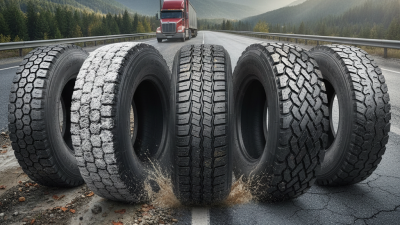
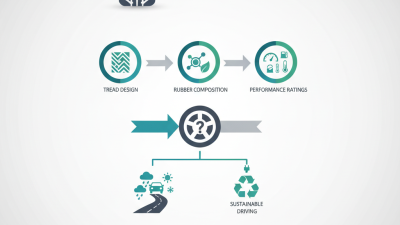
Understanding the various aspects of automotive tires—such as tread patterns, rubber compounds, and intended use—is essential in making an informed choice. For instance, different tires are designed to handle various weather conditions, from rain-soaked streets to snowy roads. Therefore, assessing your driving habits and the specific requirements of your vehicle is paramount. In this guide, we will explore the top ten tips that will help you confidently navigate the tire selection process, ensuring you make the best choice for your vehicle and enhancing your driving experience.

Understanding Different Types of Tires Available for Vehicles
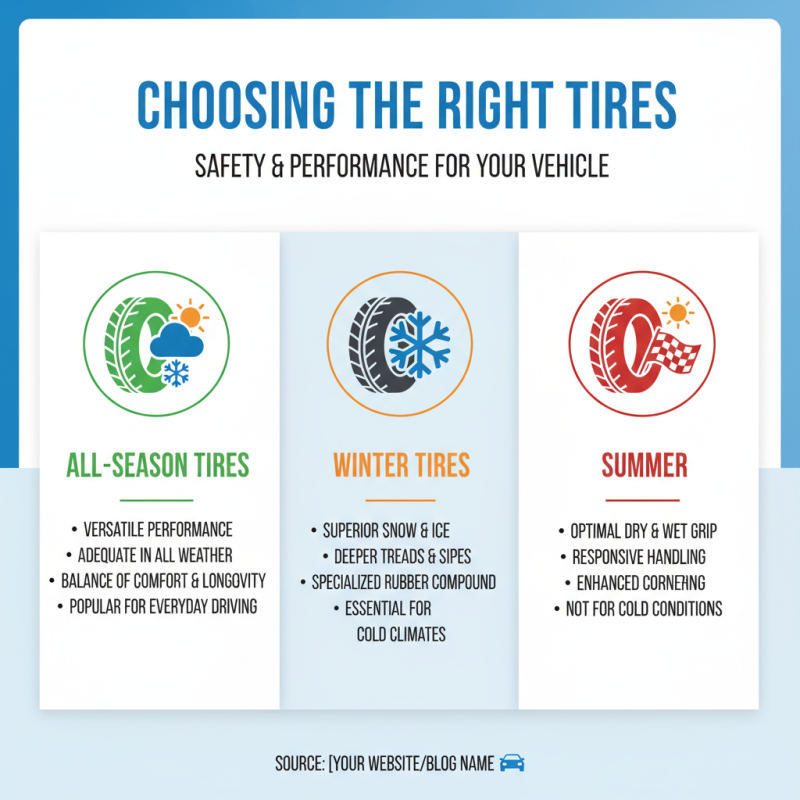
Choosing the right tires for your vehicle is essential for ensuring safety and performance. There are several different types of tires designed to meet various driving conditions and styles. For instance, all-season tires are versatile and provide adequate performance in a range of weather conditions, making them a popular choice for everyday driving. They offer a balance of comfort, longevity, and traction, allowing drivers to enjoy a smooth ride.
On the other hand, if you frequently navigate through harsh winter conditions, winter tires are specifically designed to provide superior traction on snow and ice. Their unique tread patterns and rubber compounds remain flexible in cold temperatures, delivering enhanced grip and shorter stopping distances. Meanwhile, performance tires are intended for drivers seeking improved handling and responsiveness, featuring a softer compound and dynamic tread designs that optimize traction during high-speed maneuvers. Each type caters to specific needs, so understanding the distinctions can help you make an informed decision tailored to your driving habits and environmental conditions.
Assessing Your Driving Conditions and Environment for Tire Selection
When selecting the right tires for your vehicle, it's crucial to assess your driving conditions and environment, as these factors significantly influence tire performance and longevity. Start by considering the typical weather conditions you encounter. If you frequently drive in regions with heavy rainfall, tires capable of channeling water and providing excellent grip are essential for maintaining safety and control. Conversely, if you live in an area with dry, hot climates, you may prioritize tires designed for enhanced durability and heat resistance.
Equally important is the type of terrain you are navigating. For urban driving, where roads are generally well-maintained, all-season tires may suffice, providing a balance between comfort and versatility. However, if your routes often include rough or unpaved surfaces, opting for tires with increased traction and sturdiness is advisable. Additionally, think about your driving style—those who enjoy aggressive driving may benefit from performance tires that enhance handling and responsiveness, while more relaxed drivers might find comfort-oriented tires preferable for everyday commutes. By carefully evaluating these factors, you can make an informed tire selection that aligns with your specific driving needs.
Top 10 Tips for Choosing the Right Automotive Tires for Your Vehicle
This chart compares different types of tires based on common driving conditions and environments to help you choose the right tires for your vehicle.
Evaluating Tire Specifications: Size, Load Index, and Speed Rating
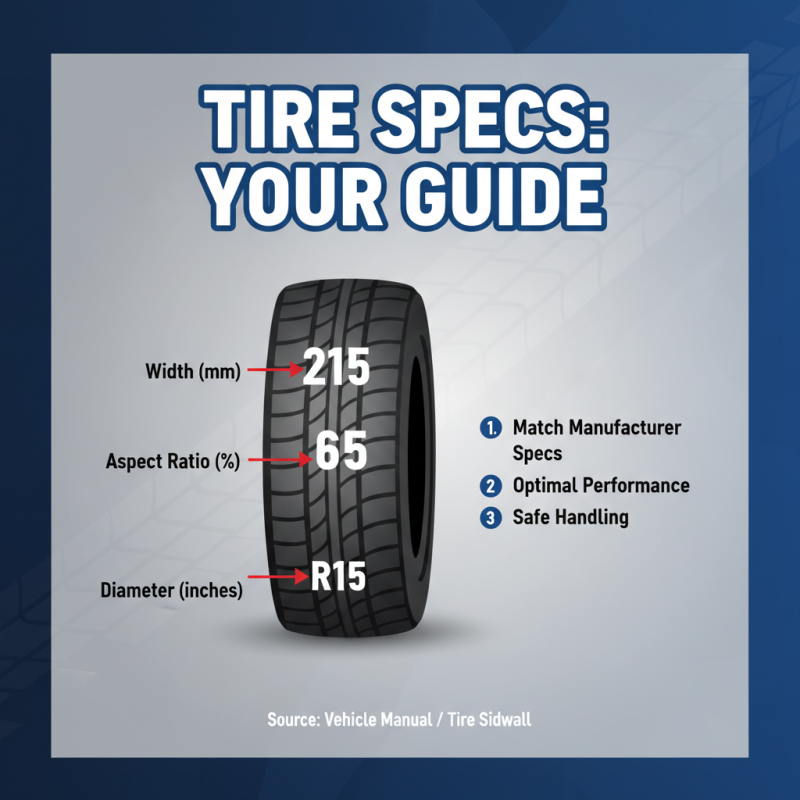
When selecting the right automotive tires for your vehicle, understanding tire specifications is crucial. The size of the tire is the first factor to consider. It should match the specifications recommended by your vehicle manufacturer. Typically, you will see a combination of numbers and letters on the tire sidewall that indicates width, aspect ratio, and diameter. For instance, a tire marked as 215/65R15 has a width of 215 mm, an aspect ratio of 65%, and fits a 15-inch wheel. Ensure you maintain the correct size to ensure optimal performance, handling, and safety.
The load index is another essential specification, indicating how much weight each tire can safely carry. This is critical for maintaining not only performance but safety as well. For instance, if your vehicle is designed to carry a significant load, ensure that the tires have an adequate load index to handle that without compromising safety. Lastly, the speed rating denotes the maximum speed a tire can handle safely. Always refer to your owner's manual to match these ratings with the intended use of your vehicle.
Tip 1: Always refer to your vehicle's manual for the recommended tire specifications.
Tip 2: Make sure to check the tire's manufacturing date to avoid old stock and ensure you are getting fresh tires.
Tip 3: Consider your driving conditions—select tires that fit your typical terrain, whether it's city roads or rough trails.
Considering Seasonal Tires vs. All-Season Tires for Performance
When choosing tires for your vehicle, one crucial factor to consider is whether to opt for seasonal tires or all-season tires. Seasonal tires, specifically winter or summer tires, are designed to perform optimally under specific weather conditions. Winter tires, for instance, feature specialized tread patterns and rubber compounds that remain flexible in cold temperatures, providing superior traction on snow and ice. Conversely, summer tires excel in hot weather, offering enhanced grip on both dry and wet roads.
On the other hand, all-season tires are engineered to deliver a balanced performance across various conditions, making them a versatile choice for drivers who experience mild winters and warm summers. While they can handle light snow and rain, all-season tires may not perform as effectively in extreme conditions compared to dedicated seasonal tires. Ultimately, the decision between seasonal and all-season tires should be based on your local climate, driving habits, and the types of road conditions you frequently encounter. Understanding these differences will enable you to make an informed choice that aligns with your performance needs and safety considerations.
Checking the Tread Life and Warranty of the Tires Before Purchase
When selecting automotive tires, one of the crucial factors to consider is the tread life.
Tread life refers to the durability and longevity of the tire's tread pattern. A tire with a longer tread life will provide better value for money over time, as it will require less frequent replacements.
It's important to check the manufacturer's specifications or guidelines on tread wear indicators, which can help you determine how much tread is left and when it is time to replace your tires.
Inspecting the tread depth regularly can ensure optimal performance and safety on the road.
Equally important is the warranty that comes with the tires. A robust warranty often indicates the manufacturer's confidence in their product.
Most tire warranties cover specific mileage or time frames, and they may also include guarantees for tread wear, defects, and damages.
Before making a purchase, it’s wise to thoroughly read the warranty terms to understand what is covered and what conditions may void it.
Assessing both tread life and warranty can aid you in making a more informed decision, ensuring that you choose tires that will not only suit your vehicle's needs but also provide you with peace of mind.