Top 10 Tips for Properly Balancing Tires for Optimal Performance
Properly balancing tires is essential for optimal vehicle performance and longevity. According to a report from the Tire Industry Association, improper tire balance can lead to excessive tire wear, increased fuel consumption, and a compromised driving experience. When tires are unbalanced, drivers may experience vibrations that not only cause discomfort but also affect the vehicle's handling and safety. In fact, studies indicate that a well-balanced set of tires can improve fuel efficiency by up to 2% and extend tire life significantly, contributing to a more sustainable approach to vehicle maintenance.
Additionally, the mechanics of tire balancing play a vital role in ensuring that weight is evenly distributed across the wheel. With advancements in technology and precision equipment, balancing tires has become more accurate, but many vehicle owners overlook this vital service. Research from automotive experts shows that regular balancing, ideally at every oil change or every 5,000 miles, can prevent issues before they escalate, enhancing both cost-effectiveness and performance. Therefore, understanding the importance of balancing tires is crucial for all drivers aiming to maintain their vehicle's integrity and performance while ensuring a smoother ride on the road.
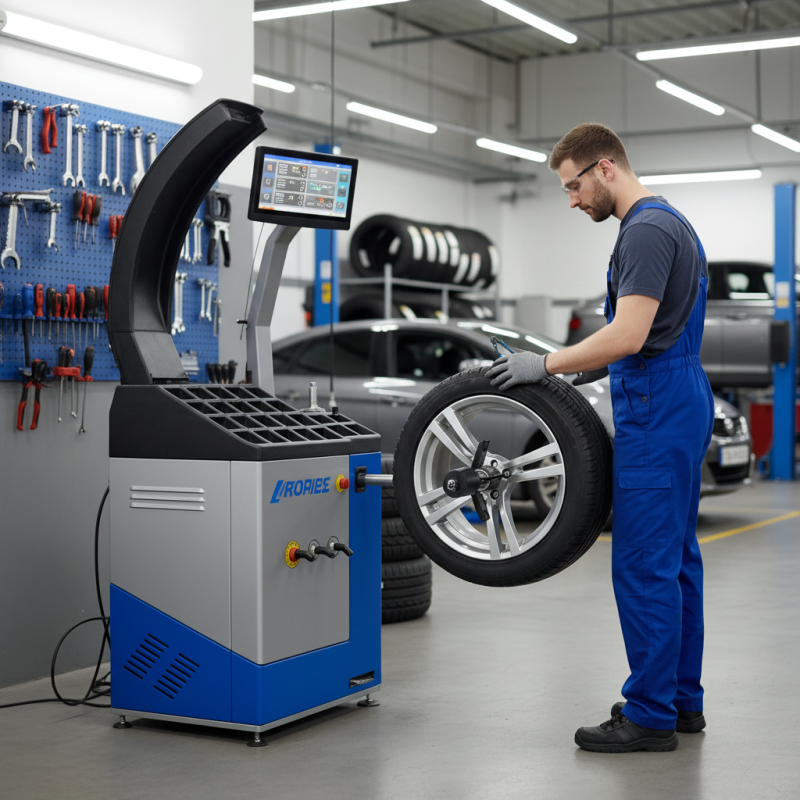
Understanding the Importance of Proper Tire Balancing for Vehicle Performance
Proper tire balancing is crucial for optimal vehicle performance and safety. When tires are unbalanced, it can lead to uneven wear, reduced fuel efficiency, and impaired handling. According to the Tire Industry Association, improperly balanced tires can cause up to a 15% decrease in your vehicle's fuel efficiency. This statistic highlights the importance of regular tire maintenance, as aligning weight distribution can significantly enhance your driving experience.
To achieve proper tire balancing, it's essential to consider a few key tips. First, always have your tires balanced whenever you purchase new tires or have them rotated. This step ensures that the weight is evenly distributed, allowing for smoother rides and extended tire life. Additionally, it's advisable to inspect your tires regularly for signs of wear or damage. The National Highway Traffic Safety Administration reports that approximately 30% of vehicles on the road have at least one improperly inflated tire, which can exacerbate balancing issues.
Moreover, remember to maintain appropriate air pressure in your tires. Under-inflated tires can lead to uneven weight distribution, ultimately affecting performance. Regularly check the tire pressure and ensure it meets manufacturer specifications. A recent study indicated that maintaining proper tire pressure can improve fuel economy by up to 3%. Implementing these practices will not only enhance your vehicle's performance but also promote safer driving conditions overall.
Common Signs That Indicate Your Tires Need Balancing
When it comes to maintaining your vehicle's performance, recognizing the signs that your tires need balancing is crucial. One of the most common indicators is a noticeable vibration in the steering wheel or the seats while driving, particularly at higher speeds. This vibration often suggests that your tires are out of balance, leading to uneven tire wear and potentially compromising your safety. Drivers may also experience a sense of pull to one side, which can affect handling and stability.
Another telltale sign that your tires require balancing is uneven tread wear. If you notice that the tread on one side of the tire is significantly more worn than the other, it could indicate a balancing issue. Additionally, if you hear unusual noises coming from the tires, such as thumping or loud humming, this may also suggest that balancing is needed. Regularly monitoring these symptoms can help ensure your tires remain in optimal condition, contributing to a smoother ride and extending their lifespan.
Top 10 Tips for Properly Balancing Tires for Optimal Performance
| Tip |
Explanation |
Signs of Imbalance |
| 1. Regular Checks |
Conduct tire balancing every 5,000 miles or as recommended. |
Vibration in the steering wheel. |
| 2. Proper Installation |
Ensure tires are mounted correctly to avoid uneven wear. |
Uneven tire wear patterns. |
| 3. Use Balancing Weights |
Install proper weights to counter any heavy spots on the tire. |
Noise during driving. |
| 4. Check Tire Pressure |
Maintain the recommended tire pressure for better performance. |
Pulling to one side while driving. |
| 5. Replace Worn Tires |
Change tires that are worn unevenly or bald. |
Excessive wear on one edge of the tire. |
| 6. Keep Suspension in Check |
Ensure the vehicle's suspension is in good condition. |
Bouncy or shaky rides. |
| 7. Rotate Tires Regularly |
Rotate tires every 6,000 to 8,000 miles to promote even wear. |
Visible signs of wear on front tires only. |
| 8. Avoid Potholes |
Steer clear of potholes to prevent tire damage. |
Annoying vibrations after hitting a pothole. |
| 9. Use a Professional Service |
Have tires balanced by a professional for accuracy. |
Worsening noise or vibration over time. |
| 10. Monitor Tire Alignment |
Regularly check and adjust tire alignment. |
Tires appear to wear from the inside or outside. |
Step-by-Step Guide to Balancing Tires Effectively
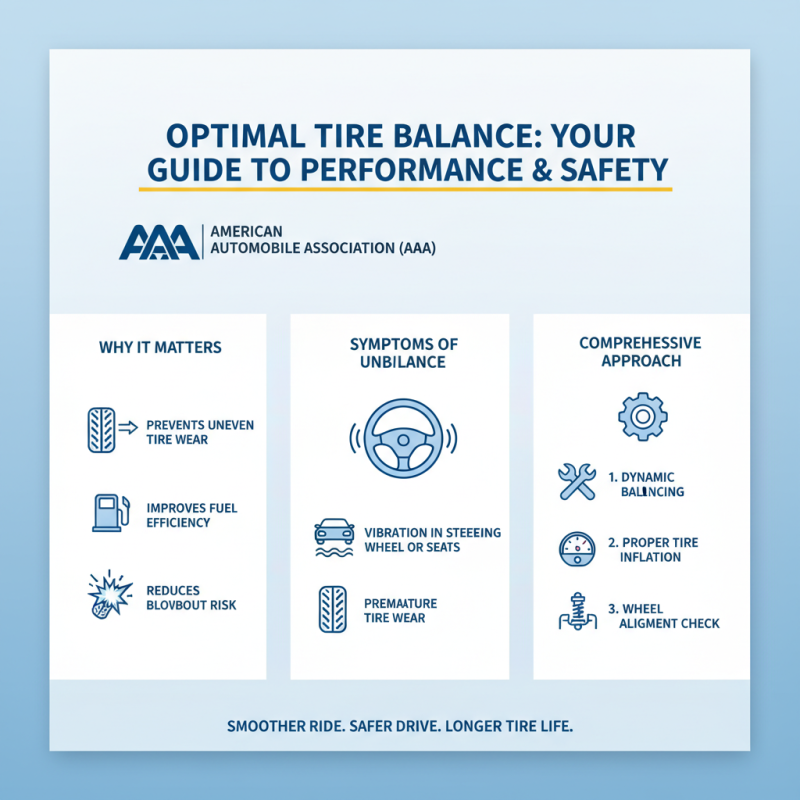
Properly balancing tires is crucial for ensuring optimal vehicle performance, safety, and longevity. The American Automobile Association (AAA) indicates that unbalanced tires can lead to uneven wear, decreased fuel efficiency, and an increased risk of tire blowouts. A comprehensive approach to tire balancing involves several key steps that can dramatically improve driving experience and vehicle mechanics.
First, it’s essential to accurately measure the imbalance. This can be achieved through dynamic balancing, where both the static and dynamic forces acting on the wheel assembly are evaluated using specialized equipment. According to the Tire Industry Association (TIA), conducting this measurement with professional grade balancing machines can lead to identifying the precise weights required to achieve balance. Once the necessary weights are secured onto the rims, a test drive should be performed to ensure that vibrations are minimized, confirming that the balance is effective. Regular checks – ideally every 5,000 to 6,000 miles – can maintain tire integrity and performance.
Additionally, seasonal changes can affect tire balance. Studies show that temperature fluctuations can alter tire pressure, which may lead to increased wear and sudden imbalances. Tire experts advise maintaining proper inflation levels and monitoring wear patterns closely. Keeping records of tire performance might reveal trends, allowing for preemptive adjustments. By following these steps systematically, one can ensure that tires function correctly, enhancing overall efficiency and safety on the road.
Tools and Equipment Required for Tire Balancing
When it comes to achieving optimal tire performance, having the right tools and equipment for tire balancing is essential. At the forefront is a
tire balancing machine, which accurately measures and corrects imbalances in tires. This equipment can be manual or automated, and it typically features a spindle where the tire is mounted.
The machine spins the tire and uses sensors to detect heavy spots, allowing for precise adjustments.
In addition to a balancing machine, other important tools include wheel weights, which are attached to the rim to counterbalance heavy spots, and a torque wrench to ensure that lug nuts are tightened to the correct specifications.
An accurate tire pressure gauge is also crucial, as proper inflation plays a key role in balancing. Finally, having a set of hand tools like pliers, wrenches, and screwdrivers can assist in the installation and removal of tires and weights, making the entire balancing process smoother and more efficient.
Maintaining Tire Balance for Long-Term Optimal Performance
Maintaining proper tire balance is crucial for ensuring long-term optimal performance of your vehicle. A well-balanced tire leads to better fuel efficiency, enhanced handling, and increased safety. Industry studies indicate that unbalanced tires can result in uneven tread wear and reduce fuel economy by up to 5%. This inefficiency not only affects your wallet but can also impact the overall lifespan of your tires. Regular tire balancing, recommended every 5,000 to 6,000 miles or with any significant wheel adjustment, is essential for sustaining these benefits.
Tip 1: Keep an eye on vibrations. If you notice unusual vibrations in the steering wheel or seat, it may be a sign that your tires are out of balance. Addressing this issue early can prevent more significant damage to your vehicle's suspension system and prolong tire life.
Tip 2: Monitor tire wear patterns. Uneven wear on your tires is often an indication of a balance issue. By checking your tires regularly, you can catch problems before they escalate, maintaining optimal tire performance for a longer period.
Tip 3: Schedule regular maintenance with a qualified technician. Professionals can utilize advanced tools to accurately balance your tires, which is pivotal for ensuring your vehicle operates smoothly and safely. Following these practices will help you maintain tire balance and achieve long-term optimal performance.
Top 10 Tips for Properly Balancing Tires for Optimal Performance