Top 10 Winter Tires for Maximum Safety and Performance in Extreme Conditions
When the winter season sets in, the importance of having the right tires winter cannot be overstated. The harsh conditions brought on by snow, ice, and extreme cold can significantly impact vehicle performance and safety. Drivers face challenges such as reduced traction, longer stopping distances, and increased risk of accidents. Therefore, selecting the most appropriate winter tires is essential for enhancing safety and performance during these months.
In this guide, we will explore the top 10 winter tires that excel in extreme conditions. Each tire option has been evaluated based on key performance metrics such as grip, handling, durability, and price, ensuring that drivers can make informed decisions tailored to their specific driving needs. By equipping vehicles with high-quality winter tires, drivers can navigate winter roads with greater confidence, knowing they have reliable support beneath them. Whether you are commuting through icy streets or embarking on a winter road trip, choosing the right tires winter can make all the difference in achieving a safe and enjoyable driving experience.
Overview of Winter Tires: Importance for Safety and Performance
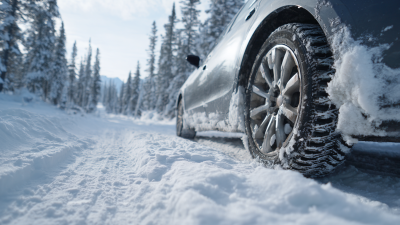
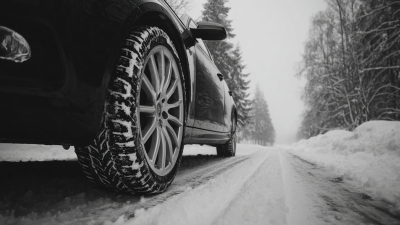
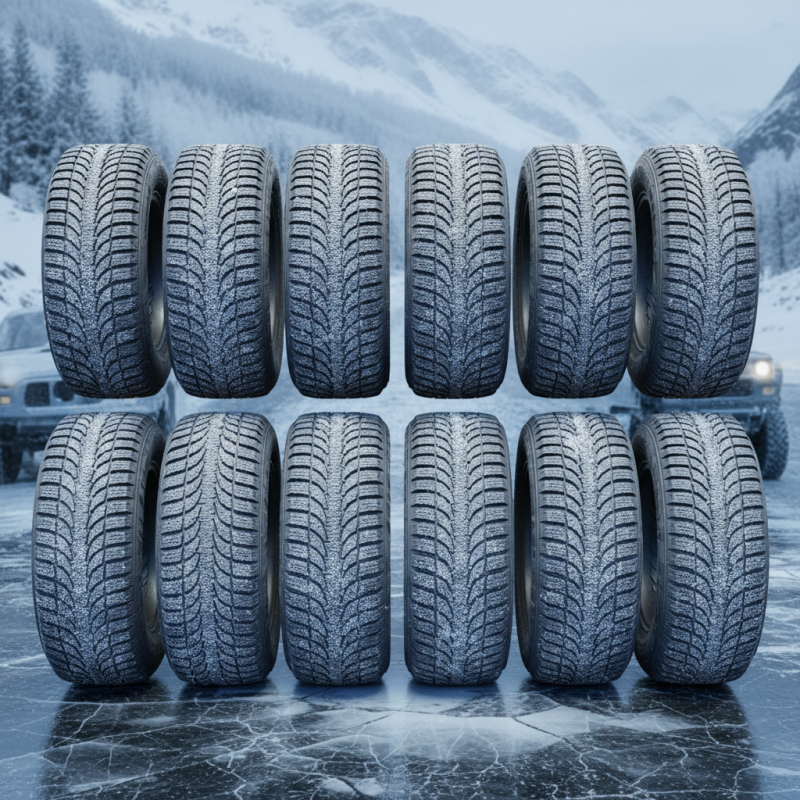
Winter tires are designed specifically for extreme cold weather conditions, providing essential grip and stability on icy and snowy roads. According to the Tire Industry Association, studies have shown that winter tires can reduce stopping distances by up to 30% compared to all-season tires on ice and snow. This significant difference underscores the critical importance of equipping vehicles with the appropriate tires during the winter months, where temperatures can frequently drop below freezing.
Furthermore, a report from the National Highway Traffic Safety Administration highlights that over 70% of all winter accidents occur during wet or icy conditions, emphasizing the need for optimized tire performance. Winter tires feature specialized rubber compounds that remain flexible in low temperatures, enhancing traction. The tread patterns of winter tires are also engineered to channel snow and slush away from the contact patch, improving handling and control. Ultimately, choosing the right winter tire plays a vital role in ensuring both safety and performance, helping drivers navigate challenging conditions with confidence.
Top 10 Winter Tires for Maximum Safety and Performance
Key Features to Look for in Winter Tires
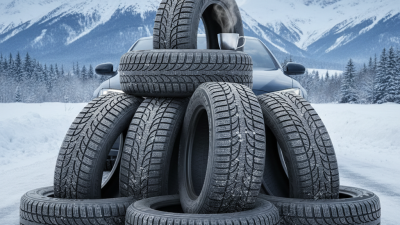
When selecting winter tires, understanding the essential features is crucial for ensuring maximum safety and performance in extreme conditions. Key aspects to consider include tread design, rubber composition, and the use of studs. The tread pattern is designed to enhance traction on snow and ice; deeper grooves and a larger number of biting edges can significantly improve grip. According to the Tire and Rubber Association, tires with a minimum of 6/32 inches of tread depth are recommended for effective winter performance, as they maintain better contact with the road in icy conditions.
Another critical feature is the rubber compound used in the tire, which must remain flexible at low temperatures. Tires formulated with advanced silica compounds offer improved performance in cold weather, preventing hardening that can lead to reduced grip. According to industry studies, tires utilizing these modern compounds can enhance braking distances by up to 20% compared to traditional rubber in sub-zero conditions. Furthermore, studded tires provide increased traction on icy surfaces, but their legality varies by region, necessitating local research before installation.
Finally, considering the tire's performance ratings is essential. The metrics provided by organizations like the National Highway Traffic Safety Administration can guide consumers toward products that have been tested for snow and ice performance. The desired criteria should include wet and snow traction ratings, which directly correlate to safety and handling in frigid climates. Investing in tires that excel in these areas can lead to a significant reduction in winter-related accidents, underscoring the importance of informed decision-making for winter tire selection.
Top Brands for Winter Tires: A Comparative Analysis
When it comes to navigating winter's harsh conditions, selecting the right tire is crucial for both safety and performance. The analysis of top brands reveals a range of tire options designed to excel in extreme weather, ensuring better grip, handling, and stability. Each brand utilizes advanced technology and unique tread patterns to enhance traction on ice and snow, catering to diverse driving needs from urban commuting to rugged terrain.
In comparing these brands, one must consider several factors including tread design, rubber compound, and overall durability. Some manufacturers prioritize softer rubber compositions that remain flexible in freezing temperatures, enhancing road contact. Others focus on aggressive tread patterns that channel snow and slush away, reducing the risk of hydroplaning. Additionally, many of these brands offer specialized features such as siping or adaptive tread elements, which further contribute to their tires' performance in severe winter conditions.
Top 10 Winter Tires for Maximum Safety and Performance in Extreme Conditions
| Tire Model |
Temperature Range (°F) |
Tread Depth (32nds) |
Wet Grip Rating |
Snow Performance Rating |
Estimated Longevity (miles) |
| Model A |
-30 to 20 |
10 |
A |
A+ |
40,000 |
| Model B |
-25 to 15 |
9 |
A- |
A+ |
45,000 |
| Model C |
-20 to 25 |
11 |
B+ |
A |
50,000 |
| Model D |
-15 to 10 |
10 |
B |
A+ |
38,000 |
| Model E |
-10 to 5 |
8 |
B |
A- |
42,000 |
| Model F |
-5 to 0 |
10 |
C+ |
B+ |
35,000 |
| Model G |
0 to 5 |
7 |
C |
B |
30,000 |
| Model H |
5 to 10 |
9 |
C |
C+ |
28,000 |
| Model I |
10 to 15 |
8 |
C+ |
C |
27,000 |
| Model J |
15 to 20 |
6 |
C |
D |
25,000 |
Performance Tests: Evaluating Winter Tires in Extreme Conditions
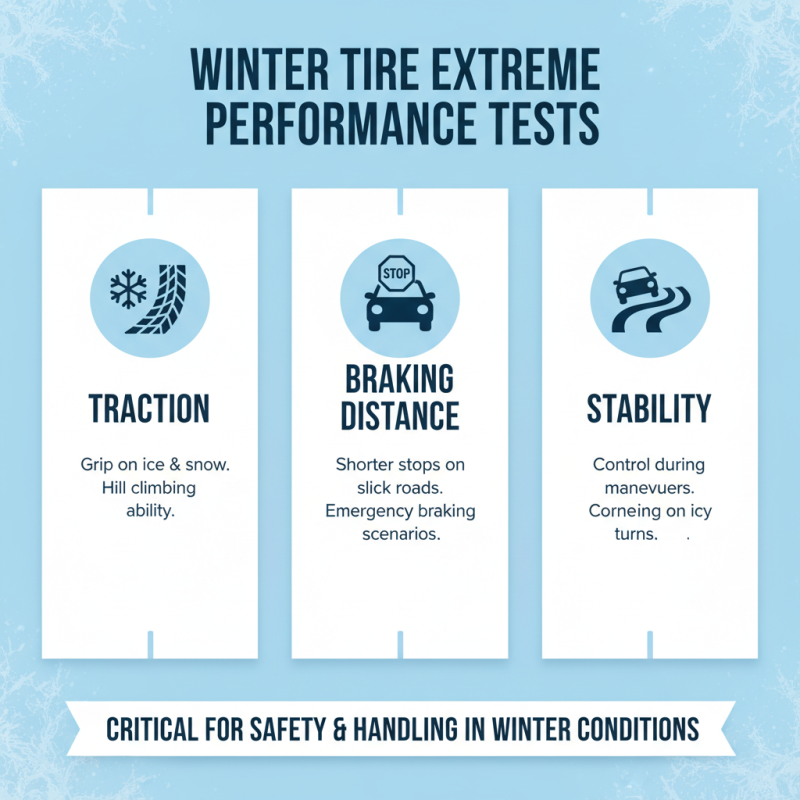
When evaluating winter tires in extreme conditions, performance tests serve as a critical benchmark for safety and handling. These tests typically assess various tire attributes such as traction, braking distance, and stability on icy and snow-covered surfaces. Various standardized tests, including simulated emergency braking scenarios and cornering maneuvers on slick roads, provide valuable insights into how different tires respond under challenging circumstances.
Additionally, the durability of winter tires is tested by subjecting them to prolonged exposure to subzero temperatures and rough terrain. This evaluation helps determine how well a tire maintains its structural integrity and performance levels over time. The results highlight which tire designs effectively disperse water and slush to minimize hydroplaning, ensuring drivers can maintain control even in the harshest winter conditions. These rigorous performance assessments guide consumers in making informed choices, prioritizing safety and efficiency when navigating treacherous winter roads.
Maintenance Tips for Extending the Life of Winter Tires
To maximize the safety and performance of winter tires, proper maintenance is essential. According to a report from the Tire Industry Association, maintaining proper tire pressure can enhance tire life by up to 10%. Cold weather can significantly lower tire pressure, with a reduction of about 1 PSI for every 10-degree Fahrenheit drop in temperature. Regularly checking and inflating tires to the manufacturer’s recommended pressure can help ensure optimal grip and fuel efficiency while also prolonging the lifespan of the tires.
Another crucial aspect of winter tire maintenance is tread depth. The Rubber Manufacturers Association suggests that a minimum tread depth of 6/32 inches is necessary for winter tires to perform effectively in snow and wet conditions. Using a tread depth gauge can aid in monitoring tire wear. Furthermore, rotating tires every 5,000 to 8,000 miles can promote even wear, increasing both safety and tire longevity. By implementing these practices, drivers can maintain the integrity of their winter tires, ensuring better traction and performance in extreme conditions.