How to Understand Tire Ratings for Safer Driving?
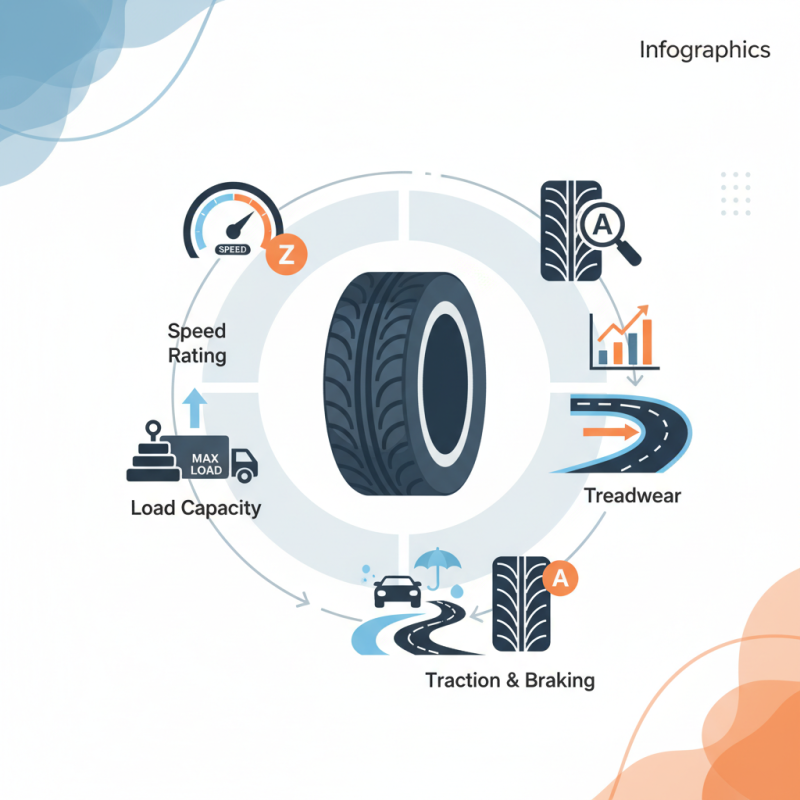
Understanding tire ratings is essential for safe driving. Tires play a critical role in vehicle performance and safety. Tire ratings provide vital information about a tire's capabilities and limitations. They can indicate factors like load capacity, speed rating, and tread wear.
Every driver should be aware of tire ratings. They affect handling, braking distance, and traction, especially in adverse weather conditions. A good tire can enhance vehicle stability and reduce stopping time. But what happens when we ignore these ratings? It may lead to accidents or tire failures.
Many drivers overlook the fine print. Not all tires are suitable for every vehicle or driving condition. Misunderstanding tire ratings might compromise safety. Take the time to learn about them. Reflect on how tire choices can impact your driving experience.
Understanding the Importance of Tire Ratings for Safety and Performance
Tire ratings play a crucial role in ensuring safety and performance while driving. They provide insights into how a tire will behave under different conditions. Knowing these ratings helps drivers make informed choices for various weather and road situations. For instance, a tire with a high traction rating performs better on wet surfaces. This can reduce the risk of hydroplaning.
Understanding load ratings is also vital. They indicate how much weight a tire can safely carry. Underestimating this can lead to tire blowouts. This is a common mistake that can have serious consequences. Another important aspect is the temperature rating. Tires rated for higher temperatures can withstand more heat, reducing the chances of tire failure.
Many overlook these specifics. They might choose tires based merely on appearance rather than performance. This can compromise safety. It's crucial to pay attention to these details. Drivers should regularly check tire conditions as well. Proper maintenance and awareness of tire ratings can greatly enhance driving safety and overall vehicle performance. Always make educated choices.
Understanding Tire Ratings for Safer Driving
Decoding Tire Specifications: Load Index, Speed Rating, and Treadwear
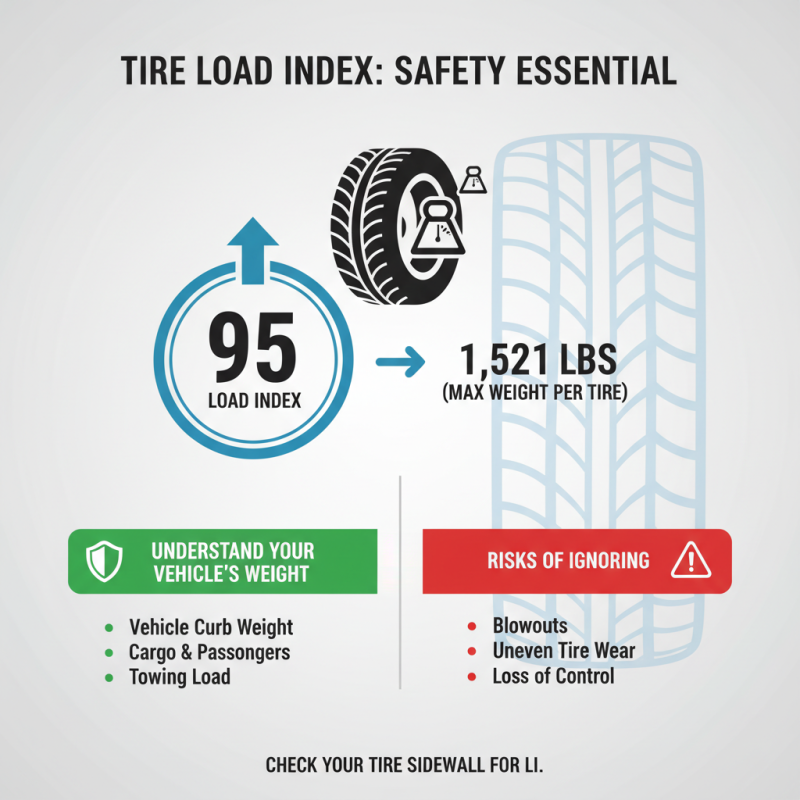
Tire specifications play a critical role in vehicle safety. Understanding the load index is essential. It indicates the maximum weight a tire can support. For example, a load index of 95 means the tire can handle 1,521 pounds. This information is vital when considering the weight of your vehicle and its cargo. Ignoring this can lead to blowouts or uneven wear.
Speed ratings are another key element. They reflect the maximum speed a tire can safely sustain. Common ratings range from P (93 mph) to Z (over 149 mph). A mismatch between your driving habits and speed ratings can compromise safety. Drivers often underestimate this aspect, putting themselves at risk.
Treadwear is equally important. This rating appears as a number, frequently from 100 to 600, indicating the tire's lifespan. A higher number suggests a longer lifespan but may impact traction. Many drivers overlook the balance between durability and performance. Tires with lower treadwear ratings may offer better grip in wet conditions, yet wear out faster. Being aware of these aspects can significantly enhance driving safety.
The Role of Traction and Temperature Ratings in Tire Selection
Tire ratings are crucial for safe driving, particularly traction and temperature ratings. These ratings help drivers make informed choices about tires based on performance. The Federal Highway Administration indicates that poor tire traction contributes to about 30% of all vehicle accidents during wet conditions. Therefore, understanding traction ratings is essential.
Traction ratings are graded from AA to C. A rating of AA indicates superior grip, while C is the lowest. Tires with high traction ratings enhance stability and control, especially in rain or snow. According to tire industry reports, tires with better traction can reduce stopping distances on wet surfaces by up to 30%. Drivers excessively focused on aesthetics might overlook these critical ratings.
Temperature ratings are equally important, with grades of A, B, and C indicating heat resistance. Heat buildup can lead to tire blowouts, especially at high speeds. A tire with a rating of A can withstand higher temperatures and perform better under stress. However, many drivers pay little attention to these ratings, which could compromise their safety. Choosing tires without considering these factors can lead to poor performance and increased accident risks.
How Tire Ratings Affect Fuel Efficiency and Handling Characteristics
Understanding tire ratings can greatly influence fuel efficiency and handling characteristics.
The tread pattern and rubber composition significantly affect how tires grip the road. Tires with a higher rating often provide better traction.
However, they can also reduce fuel efficiency. Knowing this balance is crucial for everyday drivers.
Consider the trade-offs between performance and comfort.
A tire rated for better handling may feel sportier but could wear out faster. Conversely, tires designed for longevity can compromise responsiveness.
Choosing the right tire means reflecting on your driving habits. Do you prioritize a smooth ride or sharp turns?
These decisions matter more than many realize.
Keep in mind that maintenance affects these ratings too. Proper inflation and regular inspections help maintain performance.
A neglected tire can decrease efficiency and safety. A small oversight can have larger implications.
Striking the right balance between ratings and personal needs is not always easy, but it’s vital for safe driving.
Interpreting DOT Codes: Manufacturing Date and Compliance Standards
Understanding tire ratings is essential for safer driving. One key aspect is interpreting DOT codes. The code, found on the tire sidewall, reveals the manufacturing date and compliance standards. This code can guide you in selecting the right tires for your vehicle.
The DOT code consists of several sections. The last four digits indicate the week and year the tire was made. For instance, "2219" means the tire was produced in the 22nd week of 2019. Be cautious with older tires, as rubber degrades over time. A tire manufactured several years ago may not perform well, even if it looks good.
Tips: Always check the manufacturing date when buying used tires. If the date is over six years, consider a new set. Look for tires marked with compliance symbols to ensure they meet safety standards. These symbols signal that the tire has undergone specific testing.
Remember, even the best tires need periodic checks. Look for unusual wear patterns or bulges. These signs may indicate underlying issues. Regular inspections can save you from unexpected flat tires. Keep an eye on your tire's health for a safer journey.
How to Understand Tire Ratings for Safer Driving?
| Tire Rating |
Description |
Max Load (lbs) |
Max Pressure (psi) |
Manufacturing Date (Week-Year) |
| P205/55R16 |
Passenger Car Tire |
1,388 |
35 |
25-2023 |
| LT255/75R15 |
Light Truck Tire |
2,400 |
50 |
34-2022 |
| T185/65D14 |
Temporary Spare Tire |
800 |
60 |
10-2023 |
| Dunlop 255/40ZR18 |
Performance Tire |
1,500 |
36 |
20-2023 |
| 225/65R17 |
SUV Tire |
1,473 |
32 |
15-2023 |