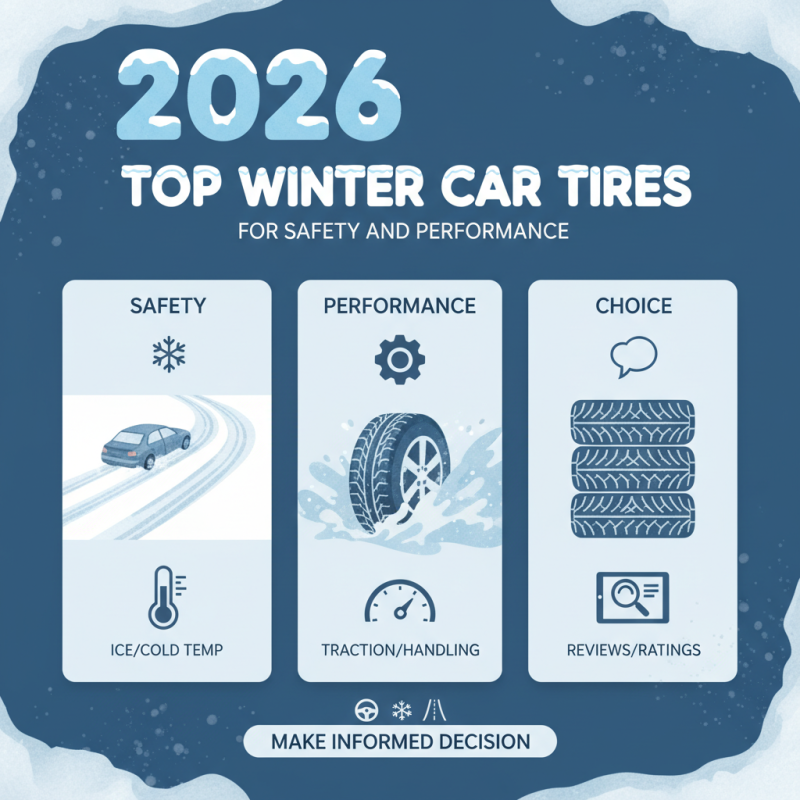
2026 Top Winter Car Tires You Should Consider For Safety and Performance?
As winter approaches, ensuring your vehicle is equipped with the right winter car tires becomes crucial. These tires are specifically designed to enhance safety and performance under icy conditions. A good set of winter car tires can make a significant difference in how your car handles snow and slush.
Choosing the right tires is not always straightforward. There are various options available, each claiming to provide the best traction and durability. Some tires excel in extreme temperatures, while others may not perform as expected. You might find yourself questioning which features matter most. Are you prioritizing grip over noise levels or comfort?
As you navigate through the assortment of winter car tires, consider real-world reviews. Take time to assess what other drivers say about performance in different conditions. No tire is perfect, and each has its strengths and weaknesses. Reflecting on this can guide you to make a more informed decision for your safety this winter season.
Key Features to Look for in Winter Car Tires
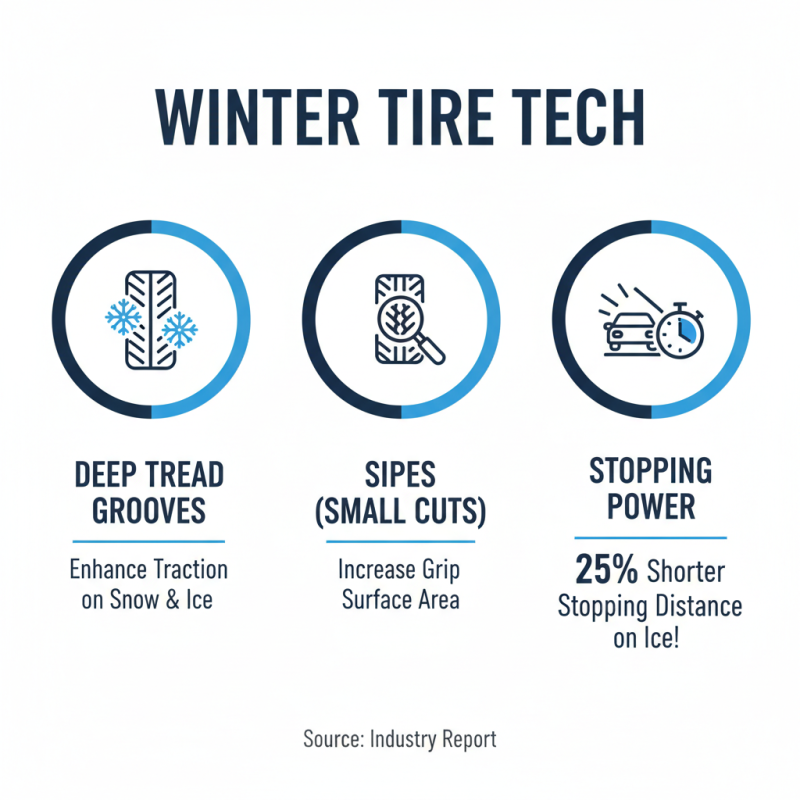
When selecting winter car tires, several key features significantly impact safety and performance. A critical factor is tread design. Deep grooves enhance traction on snow and ice. Moreover, sipes, or small cuts in the tire, improve grip by increasing the surface area. According to a recent industry report, tires with improved tread patterns can offer a 25% better stopping distance on icy roads.
Another vital element is rubber composition. Winter tires use softer rubber compounds that remain pliable in cold temperatures. This flexibility helps maintain grip when the temperature drops below 45°F. Studies indicate that tires designed for winter conditions can perform up to 40% better in snowy weather compared to all-season tires.
Tips: Always check tire pressure regularly. Cold air can lower pressure, which affects handling. Also, consider the speed rating of your tires. Higher-rated tires can better handle winter conditions without sacrificing performance. Avoid selecting tires solely based on price; safety should be your priority. In winter, your tires can significantly influence your vehicle's stability. Reflect on the specific driving conditions you encounter; it could make all the difference in your safety and performance on the road.
Top Brands of Winter Tires for 2026: A Comprehensive Review
When choosing winter tires, many factors come into play. Grip on icy roads is essential for safety. The right tread pattern can significantly improve traction and handling. Look for options designed with deep grooves and biting edges. These features enhance performance in snow and slush.
Different brands offer unique technologies. Some focus on softer rubber blends for increased flexibility. Others prioritize durability and longevity. Each option has its strengths and weaknesses. Reflecting on your driving needs is crucial. Not all tires perform optimally in every condition.
Performance ratings can vary widely. A tire that's perfect in one climate may falter in another. It’s vital to consult reviews and tire tests. Seek user feedback about real-world experiences. Understanding both pros and cons can guide your decision. Safety should always be the top priority when selecting winter tires. Choose wisely and drive safely.
Safety Ratings and Performance Metrics of Winter Tires
When choosing winter car tires, safety ratings are crucial. These ratings assess how well tires perform on snow and ice. A tire's traction performance is vital. Look for tires that excel in braking distance on slippery roads. This factor can significantly affect your safety during winter. A good tire should grip the road effectively, providing confidence even in harsh conditions.
Performance metrics also matter. Handling and stability are important for steering control. Winter tires should perform well during cornering, preventing slippage. Pay attention to how these tires respond in sudden maneuvering. This reflects their overall quality. Tire noise levels can also impact comfort, but they shouldn't compromise safety.
However, not all tires are perfect. Some might wear out quickly on rough roads. This is something to ponder. Regular assessments of tire conditions are essential. They can reveal underlying issues that affect safety and performance. It's important to balance performance metrics with your driving needs. Understanding your local weather conditions will guide your choice effectively.
2026 Top Winter Car Tires You Should Consider For Safety and Performance - Safety Ratings and Performance Metrics of Winter Tires
| Tire Model |
Safety Rating |
Snow Traction |
Ice Performance |
Treadwear Life |
Price Range ($) |
| Model A |
5 Stars |
Excellent |
Good |
60,000 miles |
120 - 150 |
| Model B |
4.5 Stars |
Very Good |
Excellent |
50,000 miles |
100 - 130 |
| Model C |
4 Stars |
Good |
Good |
40,000 miles |
90 - 120 |
| Model D |
4 Stars |
Good |
Fair |
45,000 miles |
80 - 110 |
| Model E |
3.5 Stars |
Fair |
Fair |
30,000 miles |
70 - 90 |
Tips for Choosing the Right Winter Tires for Your Vehicle
When winter hits, having the right tires is crucial for safety and performance. Consider factors like tread design, rubber composition, and size. According to industry studies, winter tires can improve overall vehicle grip by up to 30% on icy roads. The right choice can significantly influence handling, braking distance, and traction.
Tips for Choosing the Right Winter Tires:
Examine the tread depth seriously. A depth of at least 6/32 inches is recommended for snow. If the tread is too low, performance dips drastically. Take a close look at the rubber compounds as well. Softer compounds provide better flexibility in cold weather, increasing traction. Don't overlook the size; the wrong fit can lead to handling issues.
Evaluate your typical winter conditions. If you live in an area with frequent snowstorms, specialized tires may be necessary. Conversely, if your roads are mostly clear, all-season tires might suffice. Reflect on your driving habits too. Aggressive styles may require high-performance options. Safety involves many choices, and ensuring you make the right ones is essential.
Maintenance and Care for Winter Tires to Enhance Longevity
Winter tires are essential for safe driving in cold conditions. However, simply having the right tires is not enough. Proper maintenance and care can greatly enhance their performance and longevity. Checking the tire pressure regularly is vital. Cold weather can cause pressure to drop, affecting handling and grip. Inflate your tires to the recommended pressure levels for optimal performance.
Tread depth is another critical factor. As the tread wears down, traction diminishes. Use a simple coin test to check the depth. If you can see the top of the coin, it’s time for a replacement. Additionally, keep your tires clean. Road salt and dirt can lead to corrosion, shortening their lifespan. Regular washing can help maintain their condition.
Rotate your tires as recommended. This promotes even wear and extends their life. Neglecting this can lead to uneven performance. Remember, not all winter tires last the same amount of time. Pay attention to your driving habits and terrain. If you notice decreased performance, reflect on your tire's condition. Making small adjustments can make a big difference in safety and efficiency.