Do All Season Tires Perform Well in Snow Conditions?
The performance of all season tires in snow conditions is often debated among drivers. Many choose these tires for convenience and versatility. They aim to provide a balanced solution, suitable for various weather conditions. However, do they truly excel in snowy environments?
All season tires in snow have certain advantages. They offer decent traction and handling on light snowfall. Yet, when the snow deepens or turns icy, their limitations become evident. Drivers may feel less confident. The tread patterns may not provide the grip necessary for more severe winter conditions. Additionally, many users have experienced slipping when the road conditions worsen.
The reality is that while all season tires serve a purpose, they are not a perfect solution. Some may wonder if they compromise safety during harsh winters. Observing regional differences can also shape opinions. In areas with heavy snowfall, dedicated winter tires often outperform all season options. Despite their convenience, reflection on their actual capabilities is essential.
Do All Season Tires Really Deliver in Winter Weather Conditions?
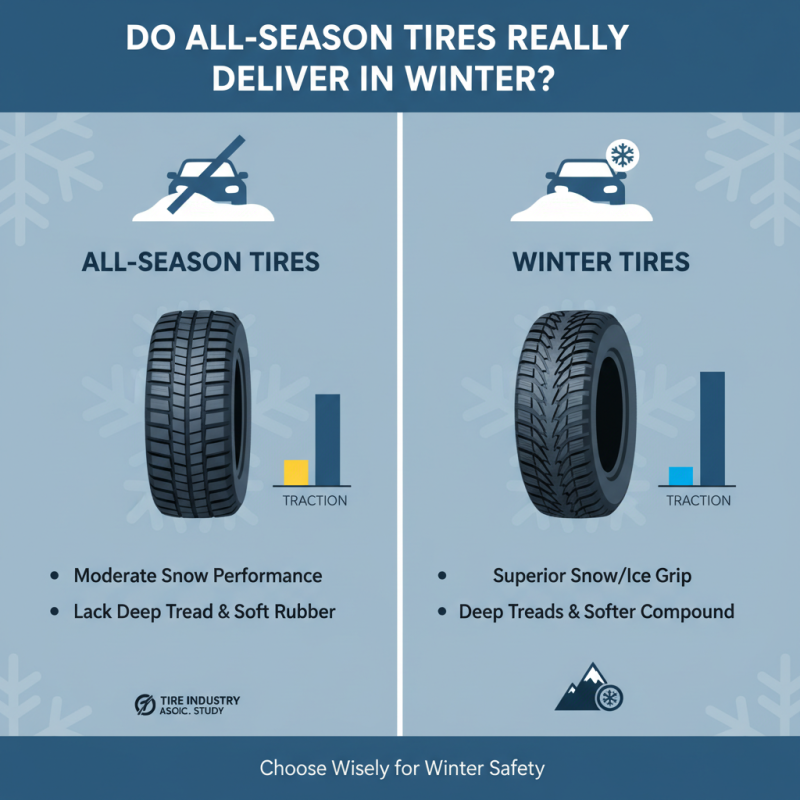
When it comes to winter driving, all-season tires often raise questions. They are designed for various conditions but not specifically for snow. A study by the Tire Industry Association highlights that all-season tires offer only moderate performance in snow. They lack the deep tread patterns and softer rubber compounds found in dedicated winter tires.
In winter conditions, the stopping distance can triple with all-season tires compared to winter tires. For instance, tests show that vehicles with winter tires stop 30% shorter in snow. This is significant, especially in icy conditions. Drivers may feel confident, but the reality can be stark. The grip offered by all-season tires often falters on slick roads.
Additionally, many all-season tires perform well at temperatures above freezing. As temperatures drop, the rubber hardens and loses flexibility. This performance drop-off can lead to dangerous driving situations. Research illustrates that even moderate snowfall can pose a challenge. Ultimately, while all-season tires provide versatility, they might not deliver optimal safety during winter weather conditions. Drivers need to consider local weather patterns and their driving habits.
Understanding All Season Tires: Specifications and Performance Metrics
All-season tires offer a blend of capabilities, appealing to many drivers. They are designed to perform in various weather conditions, including light snow. Still, their performance metrics reveal some limitations. Studies show that while they excel in dry and wet conditions, they struggle in severe winter weather. According to tire testing organizations, all-season tires often lack the necessary grip for deep snow. Their tread patterns do not always provide the same traction as dedicated winter tires.
When evaluating all-season tires, consider their tread depth and rubber composition. Tires with a deeper tread often perform better on snow. The rubber compound matters, too. Softer compounds grip better at lower temperatures. A report from the Tire and Rubber Association highlighted that up to 60% of drivers may not realize this impact on winter performance.
Tips: Before the winter season, check your tire tread. Consider your typical driving conditions. If you frequently encounter snow, winter tires may be a better option. Remember, all-season does not guarantee safety in harsh conditions. Don’t overlook your safety for the convenience of a one-size-fits-all approach.
Comparative Analysis: All Season Tires vs. Winter Tires in Snow
When it comes to snow, all season tires often fall short. Unlike winter tires, which feature specialized tread patterns and rubber compounds, all season tires prioritize versatility. This means they may handle light snow, but struggle in heavy conditions. The difference is stark. Winter tires excel in grip and control on icy roads, while all season alternatives may slip and slide.
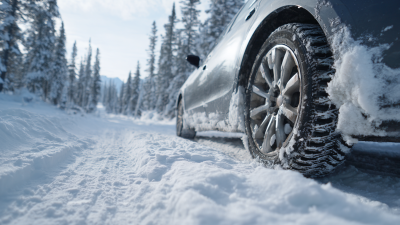
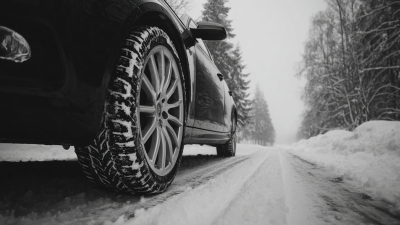
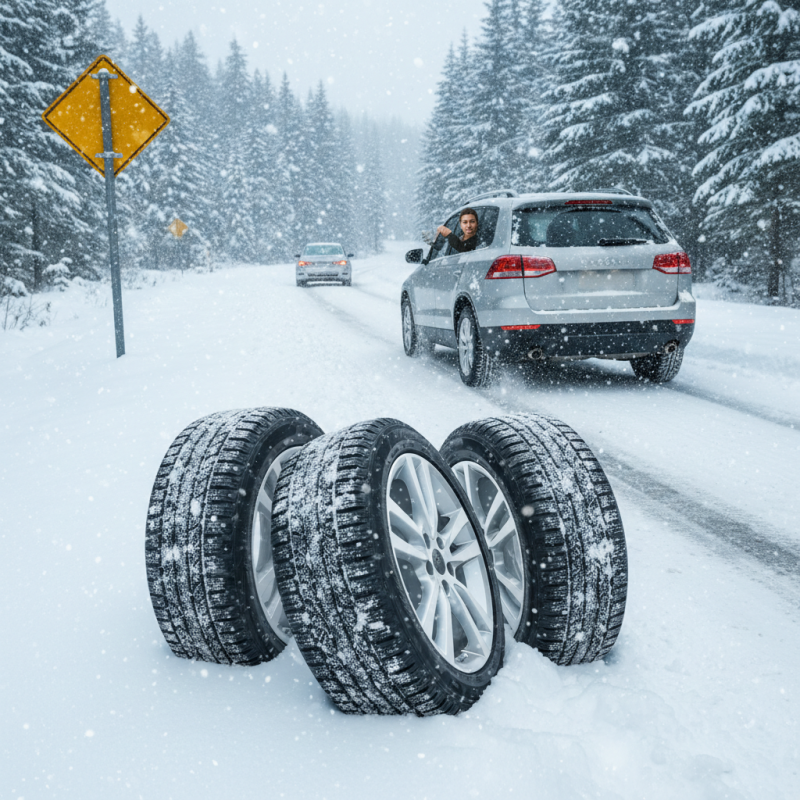
Driving with all season tires in winter mountains can be risky. Rain and slush make matters worse. Some drivers report feeling insecure during sudden stops. The stopping distance with all seasons increases significantly on snow-covered roads. A quick trip may turn into a dangerous experience when conditions worsen unexpectedly. Observing others having trouble can be informative, even eye-opening.
Choosing the right tire is crucial for safety and performance. Each driver faces unique challenges based on location and driving habits. Not every driver realizes that all season tires do not guarantee optimal performance in snow. Awareness of these limitations can change the driving experience dramatically. Rethinking tire choices is essential for those living in regions with harsh winters.
Do All Season Tires Perform Well in Snow Conditions? - Comparative Analysis: All Season Tires vs. Winter Tires in Snow
| Tire Type |
Tread Design |
Snow Traction (1-10) |
Ice Performance (1-10) |
Durability |
Price Range |
| All Season Tires |
Symmetrical with moderate grooves |
6 |
5 |
Moderate |
$60 - $120 |
| Winter Tires |
Aggressive, deep grooves with sipes |
9 |
8 |
High |
$80 - $150 |
Industry Insights: Expert Recommendations on Tire Selection for Snow
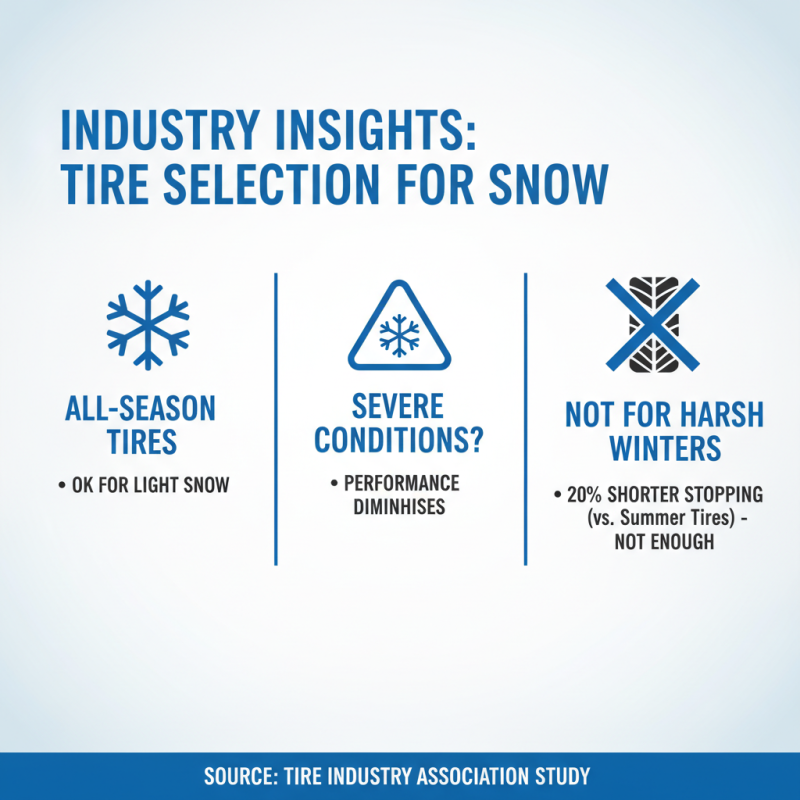
When it comes to winter driving, all season tires often raise questions. Many experts argue that they can handle light snow, but performance diminishes in severe conditions. A study published by the Tire Industry Association revealed that all season tires have a 20% shorter stopping distance on snow compared to summer tires. However, this is not enough for harsh winter climates.
Industry recommendations emphasize the importance of specialized winter tires for snow. According to the National Highway Traffic Safety Administration, winter tires can provide up to 50% better traction in snowy conditions. This statistic highlights a crucial difference between all season and dedicated winter tires. The tread patterns and rubber compounds in winter tires are designed to remain flexible in freezing temperatures.
Many drivers make the mistake of underestimating the impact of snow on their vehicle’s safety. A survey found that 30% of drivers believe all season tires will suffice, regardless of conditions. This misconception could lead to accidents. Tire professionals advise considering local weather and driving habits before making a decision. Your safety depends on the right choice.
Key Factors Influencing All Season Tire Performance in Snowy Conditions
All season tires are designed to provide versatility. However, their performance in snowy conditions often raises questions. Several key factors influence how well these tires perform when the roads are slick.
Tread design is crucial. All season tires typically have a shallower tread depth than winter tires. This can impact their grip on snow. Softer rubber compounds can also help, but many all season options use harder rubber. This choice sacrifices some traction in colder temperatures.
The type of snow—packed, slushy, or fresh—can drastically affect handling.
Driver behavior plays a role too. Accelerating too quickly or braking harshly can lead to skidding. Tire pressure matters; under-inflated tires can reduce contact with the road. Regular checks are essential, yet often overlooked. While all season tires can handle light snow, they may not be the best choice for heavy conditions. A primary question remains:
Are they truly enough for your winter driving needs?