Top China Best AC Charging Station for Global Buyers?
As electric vehicles (EVs) gain popularity, the demand for reliable Ac Charging Stations rises. China stands at the forefront of this charging infrastructure evolution, offering a wide array of products. Global buyers seek dependable solutions for their charging needs, and many look to China for innovative options.
AC Charging Stations play a crucial role in facilitating the seamless operation of electric vehicles. These stations come in various models and specifications, catering to diverse market needs. However, not all options provide the same level of service and efficiency. It’s vital for buyers to consider factors such as compatibility, charging speed, and durability.
While China excels in manufacturing, navigating this market can be complex. Buyers must research thoroughly to identify reputable suppliers. Some brands may lack reliable customer support or consistent quality. Recognizing these challenges can lead to informed decisions. The journey to finding the best AC Charging Station involves balancing quality with cost, ensuring long-term satisfaction.
Overview of AC Charging Stations in China
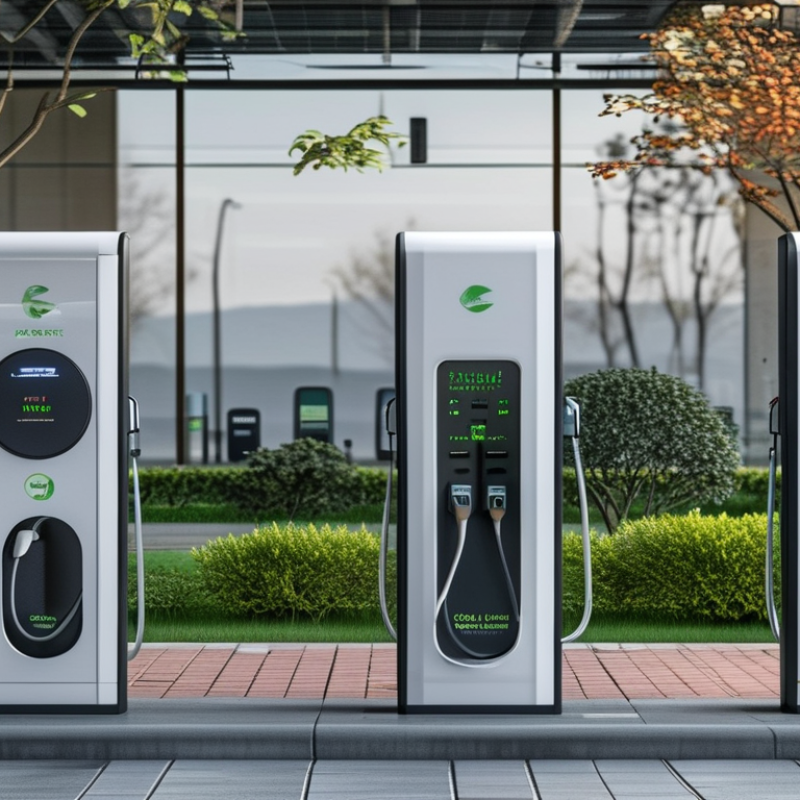
AC charging stations in China are gaining significant traction. The market is rapidly evolving due to the increasing demand for electric vehicles (EVs). According to a report by the China Electric Vehicle Charging Infrastructure Promotion Alliance, there were over 1.68 million public charging points by the end of 2022. This figure represents a growth of over 40% compared to the previous year. The uptake of these stations reflects China's commitment to reducing carbon emissions and promoting clean energy.
Despite the rapid development, there are challenges to consider. The distribution of AC charging stations is uneven, with urban areas benefiting more than rural locations. Many regions still struggle with accessibility, leading to concerns about the overall user experience. Additionally, the compatibility of charging infrastructure with various EV models poses a dilemma. Striving for standardization can alleviate some of these issues but is not fully realized yet. Insights from the International Energy Agency indicate that a more cohesive approach is necessary to bolster widespread adoption.
Adoption rates for AC charging stations in China remain varied. Some provinces exhibit high growth rates, while others lag behind. The lack of strategic planning can hinder progress. Reports suggest that user engagement and awareness of available charging options also need to be enhanced. The interplay between infrastructure availability and consumer behavior will be crucial for future growth in the AC charging landscape.
Key Features of Top China AC Charging Stations
The demand for AC charging stations in China is rising. Data from industry reports indicate that the market is projected to grow by over 30% annually through 2025. These charging stations are vital for supporting the expanding electric vehicle (EV) market. Key features make them appealing to global buyers.
One significant feature is compatibility. Most top AC stations support multiple EV models, ensuring usability across various brands. Safety remains a priority as well. Many stations are designed with advanced safety protocols, reducing risks during charging. Reports show that charging incidents decreased by 15% in regions that prioritize these safety measures.
Moreover, user experience is a factor often overlooked. Stations with intuitive interfaces result in faster user engagement. In a recent survey, 78% of users preferred charging stations that provided real-time status updates. However, issues with accessibility persist. Some locations still lack adequate signage, leading to confusion. This highlights a need for better urban planning and awareness campaigns to amplify infrastructure visibility and usability.
Criteria for Global Buyers When Choosing AC Charging Stations
When looking for AC charging stations, potential buyers should consider several essential factors. First, the station's compatibility with various electric vehicle models is crucial. A universal charger can accommodate different brands and types. This flexibility makes it a convenient choice for diverse users.
Next, investigate the charging speed of the station. Fast charging capabilities can significantly reduce downtime for users. Many buyers prefer stations that can deliver higher power output. However, it’s vital to assess the station's power infrastructure. Are local electrical systems up to the task? Reliability in energy supply is key for constant service.
Buyers should also examine installation requirements. Some stations need professional assistance, raising costs and time. It’s wise to understand the footprint and space necessities before purchasing. Additionally, user-friendly interfaces enhance the overall experience. A charging station should be intuitive to operate. This helps in attracting and retaining customers. Some users might find complicated setups frustrating, leading to reflections on potential improvements in design and user education.
Comparative Analysis of Leading AC Charging Station Brands in China
The electric vehicle (EV) market in China is rapidly growing, with robust infrastructure development. A comparative analysis of the leading AC charging station brands reveals significant differences in features, efficiency, and user experience. Recent reports indicate that China accounts for nearly 50% of global EV sales, highlighting the importance of reliable charging solutions.
Key metrics include charging speed, compatibility, and user interface design. Top products offer fast charging capabilities that can reach up to 22 kW. However, not all stations provide the same quality. Some brands have inconsistent performance ratings, which can frustrate users.
Tip: When evaluating AC charging stations, consider the availability of customer support. Brands with responsive service can greatly enhance your charging experience.
Safety also plays a crucial role. Industry standards require features like overcurrent protection and temperature monitoring. Nevertheless, not every model excels in these areas. Ensuring compliance with safety regulations is vital for user satisfaction.
Tip: Look for certifications on charging stations. This can indicate a commitment to safety and reliability.
Future Trends in AC Charging Station Technologies and Market Opportunities
The AC charging station market is evolving rapidly. Smart technology integration is one of the key trends shaping the future. Stations now offer real-time data analysis. This helps users track energy consumption and optimize charging times. As we move towards a more connected world, these features will become standard.
Sustainability is another area of growth. Many charging stations are adopting eco-friendly practices. Solar panels are becoming common, allowing stations to harness renewable energy. However, challenges remain in integrating these technologies efficiently. Infrastructure improvements are required to support this transition.
Consumer demand influences market opportunities significantly. With the rise in electric vehicle adoption, the need for reliable charging stations increases. Yet, it's essential to ensure accessibility. Many regions still lack adequate infrastructure. This gap provides a chance for innovation and development in the sector. The focus should remain on creating user-friendly solutions. While advancements are promising, continuous improvement is necessary.