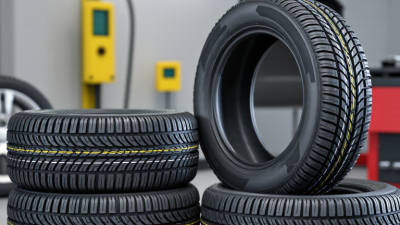
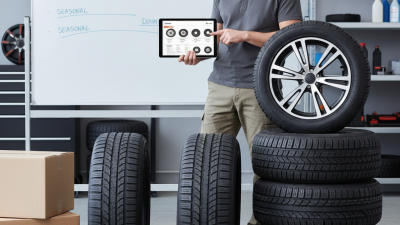
What Is the Best Tire for Every Drive? The answer depends on where, how, and how often you drive. A quiet highway commuter needs different performance from a family SUV facing rain, gravel, or winter streets. The best choice balances grip, braking, comfort, tread life, fuel efficiency, and price. No single tire excels everywhere.
Real driving makes those differences clear. A touring tire can feel smooth on dry pavement, like a steady hand on a clean steering wheel. An all-season tire may offer practical control through light rain and changing temperatures. Performance tires can sharpen cornering, but they may wear faster and ride more firmly. Winter tires remain essential where ice and snow regularly reduce traction. Check the vehicle manual first. Load ratings, speed ratings, tire size, and recommended pressure are not optional details.
Small details matter. Uneven wear can reveal poor alignment or incorrect inflation. Wet braking may matter more than a dramatic tread pattern. Ask a qualified tire professional to inspect the vehicle, not just recommend a popular model. Independent tests, manufacturer data, warranty terms, and verified customer experience can support a sound decision. Still, tire reviews have limits. Road surfaces, driving habits, climate, and vehicle weight change the result.
Choose for your real routine.
The tires on the drive should match your actual conditions, not an imagined adventure. A thoughtful buyer may spend less by selecting the right category instead of chasing the most expensive tire. The perfect tire does not exist, but a well-matched tire can make every trip safer, calmer, and more predictable.
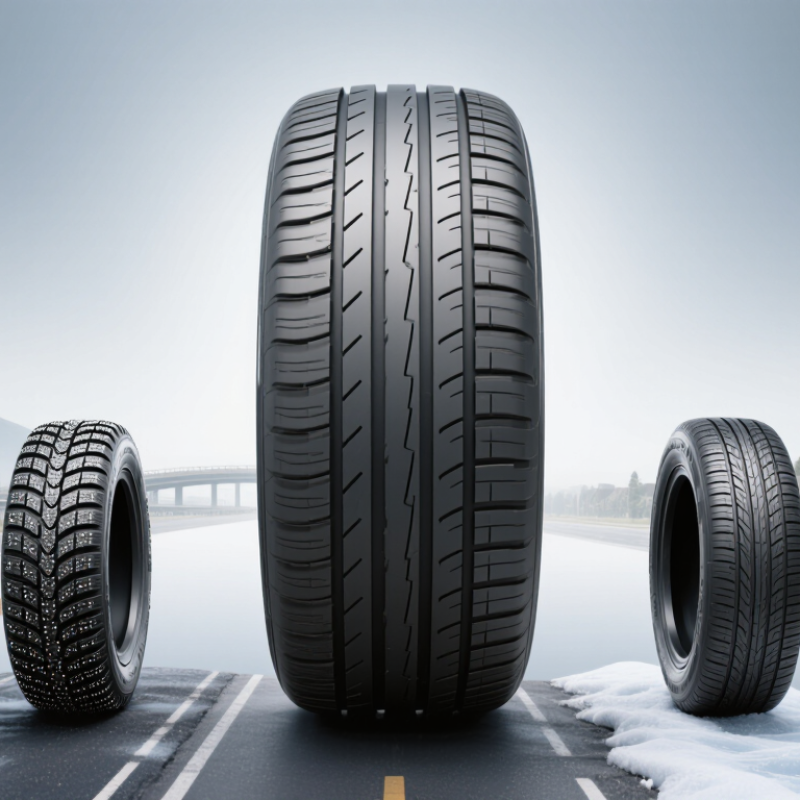
What Is the Best Tire for Every Drive?
Understanding How Tire Types Match Different Driving Needs
There is no single tire that performs best on every road. The right choice depends on weather, driving speed, vehicle weight, and road surface. A commuter traveling through mild rain may prefer all-season tires. They offer balanced handling, reasonable comfort, and dependable wet-road traction. Check the tread after heavy rain. Worn grooves can make puddles feel like sudden steering errors.
Drivers in hot, dry regions may benefit from summer tires. Their rubber compounds usually provide sharper cornering and stronger braking on warm pavement. They are less suitable for freezing temperatures. Cold rubber can become stiff, reducing grip when roads turn slippery.
Winter tires are designed for snow, ice, and cold conditions. Their deeper tread and flexible compounds help maintain traction below freezing. All-terrain tires suit drivers who regularly alternate between pavement, gravel, and maintained trails. However, their larger tread blocks may create more noise and reduce fuel efficiency. Touring tires can be a sensible option for long highway trips. They often emphasize quiet rides and stable tracking.
Before choosing, read the vehicle manual. Confirm the required size, load rating, and speed rating. Tire pressure also matters more than many drivers expect. Measure it when the tires are cold, not after a long trip. I sometimes favor comfort over maximum grip, but that preference is not always wise. A short test drive can reveal steering pull, vibration, or excessive road noise. Those details deserve attention before the purchase.
Understanding how tire types match different driving needs
Scores use a 1–5 suitability scale based on the typical design characteristics of each tire type. Summer tires generally provide strong warm-weather handling, winter tires are designed for cold temperatures and snow, all-season tires offer balanced year-round performance in moderate climates, and all-terrain tires prioritize mixed-road versatility.
The best tire depends on more than the vehicle’s size and load rating. Weather, pavement, and driving habits matter every day. According to the Federal Highway Administration, about 75% of weather-related crashes occur on wet pavement, while 46% happen during rainfall. That makes wet braking a practical priority, especially for commuters facing standing water, polished intersections, or sudden storms. Look for tires with strong wet-grip ratings, effective grooves, and the correct pressure for the vehicle.
Snow changes the decision. All-season tires can suit mild winters, but severe cold hardens many rubber compounds and reduces traction. Dedicated winter tires usually perform better on snow and ice.
The National Highway Traffic Safety Administration recommends replacing tires at 2/32 inch of remaining tread. However, that limit is not a promise of strong performance. Braking can feel uncertain well before the legal replacement point.
Your driving pattern also deserves honest attention. Frequent highway travel favors stability, low noise, and controlled heat buildup. Short urban trips may reward wet grip and comfortable handling instead. Drivers carrying heavy loads should follow the door-jamb pressure label, not the maximum pressure molded into the sidewall. The U.S. Department of Energy notes that underinflation can reduce fuel economy, although the effect varies by vehicle and tire.
I have found tire choice less obvious than expected. A quiet ride may hide weaker rain performance, and aggressive tread may bring more noise. The compromise is real.
Touring tires suit drivers who value quiet rides and steady highway control. Their tread patterns often reduce road noise on long trips. I notice the difference after several hours behind the wheel. Steering feels calm, and fuel use may remain reasonable. However, touring tires can feel less responsive during quick cornering. They are comfortable, not sporty.
Performance tires use softer compounds and firmer sidewalls. They provide sharper steering on dry pavement and stronger cornering support. On a warm afternoon, they can feel precise through winding roads. Wet braking still depends on tread depth and driving speed. Their weaknesses include faster wear, higher cost, and reduced cold-weather grip. I once chose them for daily commuting. That choice was not perfect.
All-season tires offer practical balance for changing weather. They handle light rain, mild cold, and ordinary city driving well. Yet “all-season” does not mean ideal in every season. Deep snow, ice, and extreme heat require closer attention.
Off-road tires bring tougher sidewalls and deeper tread for gravel, mud, and uneven trails. They can protect against sharp stones, but they often create more noise and rolling resistance.
Check the vehicle’s load rating, speed rating, and door-placard pressure before buying. A tire professional can inspect alignment, suspension wear, and actual driving conditions. Those details matter more than appearance.
My own mistake was judging traction by tread depth alone. Fresh tread cannot correct poor pressure or worn suspension.
The best tire begins with the correct size, not the most aggressive tread. Check the vehicle placard inside the driver’s door. Then compare its width, aspect ratio, and wheel diameter with the tire markings. A close-looking size can still alter steering, clearance, and speedometer accuracy. I once underestimated this detail and noticed heavier steering after installation. The lesson was simple: visual similarity proves very little.
Load rating shows how much weight each tire can safely support. Choose a rating that meets or exceeds the vehicle’s requirement. Speed rating indicates the tire’s tested speed capability under controlled conditions. It does not make speeding safe. Vehicle fit also includes wheel width, suspension clearance, and compatibility with all-wheel-drive systems. A qualified technician should verify these points before fitting new tires, especially when replacing only two.
Tips: Read the owner’s manual and door placard together. Match the required size and ratings exactly. Keep tires on the same axle closely matched. Check cold pressure with a reliable gauge, preferably before driving. Inspect tread depth, sidewalls, and uneven wear monthly. Weather matters too. A tire suited to dry highways may feel uncertain on wet roads or loose gravel. My own judgment has changed after driving through sudden rain; comfort can hide reduced grip. Even careful choices deserve regular review.
What Is the Best Tire for Every Drive?
Choosing the Best Tire Through Cost, Safety, and Maintenance Factors
The best tire depends on your roads, weather, driving habits, and vehicle load. A quiet touring tire may suit daily commuting, while a reinforced design may better handle frequent cargo. Check the vehicle manual for the correct size, load rating, and speed rating. These details matter more than attractive tread patterns.
Cost involves more than the purchase price. A cheaper tire can become expensive if it wears quickly or reduces fuel efficiency. I once focused too heavily on price and ignored wet-braking performance. That choice looked reasonable at the checkout, but rainy turns felt less controlled. It was a useful mistake. Compare expected mileage, warranty terms, pressure requirements, and replacement costs. Safety should remain measurable, not assumed. Look for clear testing information and inspect tread depth regularly.
Tips: Check tire pressure when the tires are cold, usually once each month. Rotate them according to the vehicle manual. Watch for uneven wear, cracks, bulges, or repeated pressure loss. Keep a simple maintenance note in your phone. It helps reveal slow problems. Drivers in snowy regions should select suitable seasonal tires, while warm climates may prioritize wet-road performance. Still, no tire can correct reckless speed or neglected alignment. A professional inspection is wise when the steering pulls, the wheel vibrates, or braking feels different.
Reignite your passion for driving with Yokohama tires and experience the superior performance you deserve.