Best Vehicle Tires for 2026 What to Look For?
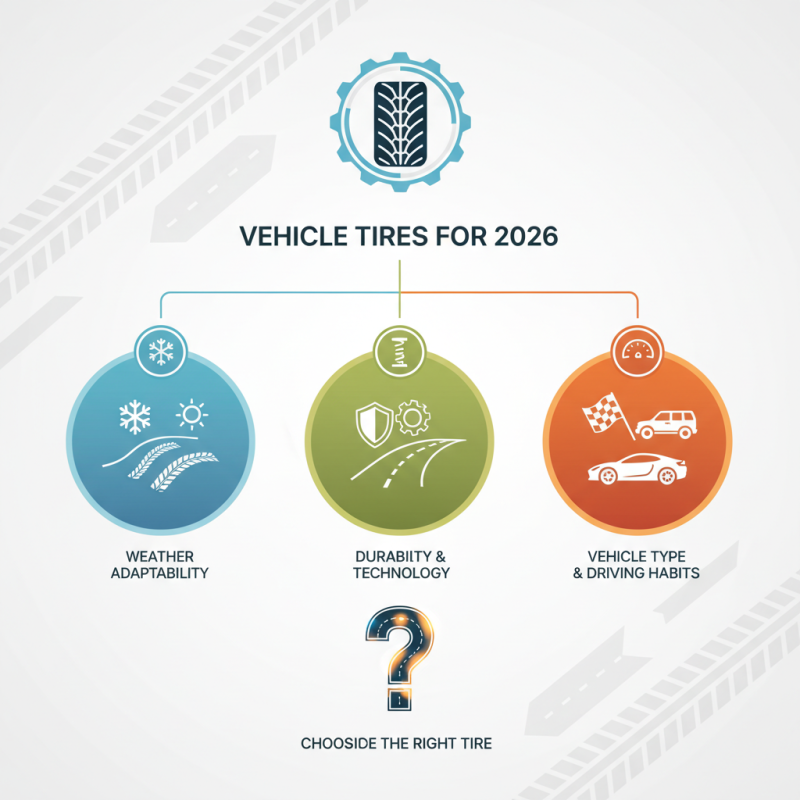
Choosing the right vehicle tires is crucial for safety and performance. As we look to the best options in 2026, several factors come into play. Tire technology constantly evolves. You need to consider tread design, durability, and weather adaptability.
A tire's tread can greatly affect traction and handling. All-season tires may not perform well in heavy snow. Specialized tires could enhance your driving experience, but they may come at a price. Don't forget to assess the brand reputation and customer reviews. They often reveal aspects you might overlook.
Additionally, your vehicle type matters. A sports car requires different tires than an SUV. Think about your driving habits too. Are you frequently off-roading or mostly on highways? Understanding these needs can lead you to the best vehicle tires for your situation. Take your time weighing your options. The right choice enhances both safety and comfort on the road.
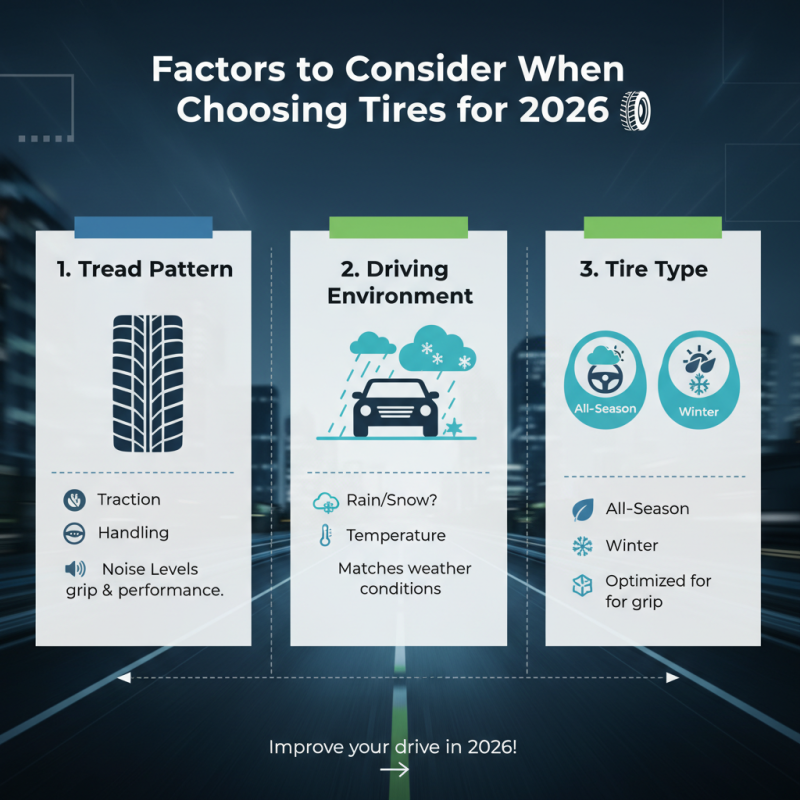
Factors to Consider When Choosing Tires for 2026
When choosing tires for 2026, several key factors stand out. The tire's tread pattern is crucial. It affects traction, handling, and noise levels. A well-designed tread can significantly improve performance in various weather conditions. Think about the environment where you drive the most. Do you often face rain or snow? Consider all-season or winter tires for better grip.
Another factor is tire size. It influences your vehicle's fuel efficiency and ride comfort. Ensure you select a size that matches your vehicle's specifications. A mismatch can lead to unexpected issues, such as reduced handling or increased wear. Additionally, pay attention to tire ratings. These ratings indicate performance in different aspects, like fuel efficiency and durability. However, don’t rely solely on numbers. Real-life experiences can vary.
Finally, consider your driving habits. Are you an aggressive driver or more relaxed? This plays a role in your tire choice. A tire that performs well in high-speed situations may not be necessary for everyday driving. Reflect on your priorities and balance performance with practicality. Each tire choice comes with trade-offs. Making a decision may not be easy, but it is essential for your vehicle’s safety and efficiency.
Types of Tires Available for Different Vehicle Needs
When selecting tires for your vehicle, it’s vital to understand the different types available. Each tire type serves specific needs. For instance, all-season tires are popular for their versatility. They offer decent traction in various conditions, making them suitable for many drivers. However, they may not excel in extreme weather, such as heavy snow or intense heat.
Performance tires cater to those who seek enhanced handling and speed. These tires are engineered for better grip on dry roads. Yet, they often wear out faster and may provide a rough ride in colder months. A report from the Tire Industry Association notes that over 20% of drivers choose performance tires for greater responsiveness, highlighting changing consumer preferences.
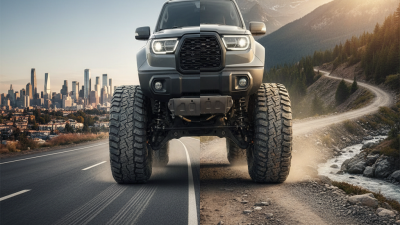
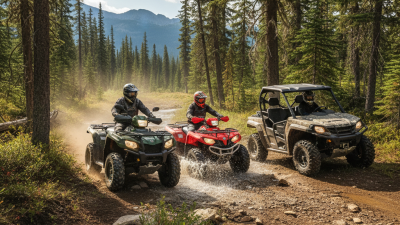
Off-road tires are designed for adventurous spirits. They feature deeper treads for rough terrain. While they excel in muddy or rocky environments, they can be less efficient on pavement. Consumer Reports indicates that nearly 15% of drivers use off-road tires regularly, which raises concerns about on-road handling. Choosing the right tire means weighing these trade-offs carefully. It’s not a one-size-fits-all situation, and each driver’s needs will vary considerably.
Best Vehicle Tires for 2026
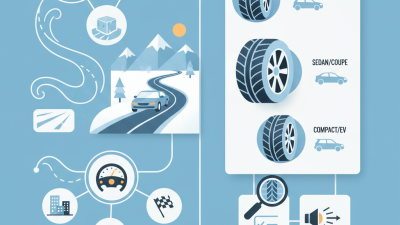
This chart illustrates the different types of vehicle tires available for various needs in 2026, categorized by their performance in wet and dry conditions. The data highlights the popularity of different types of tires among consumers.
Understanding Tire Specifications and Ratings
When selecting tires for your vehicle, understanding tire specifications and ratings is crucial. Tires wear differently based on their materials and tread patterns. Consider the tread life rating, which indicates how long the tire is expected to last. Some drivers ignore this, often leading to premature replacements. A tire with a higher rating can seem like a better option, but it's essential to balance performance and cost.
Tire width and aspect ratio also play significant roles. Wider tires may enhance grip, but they can also reduce fuel efficiency. Maintaining the right balance is often overlooked. Furthermore, the speed rating tells you how fast the tire can perform safely. Many overlook this detail and end up with poor handling at high speeds.
Load capacity is another vital specification. This rating shows how much weight a tire can support. Ignoring it can lead to tire blowouts, a serious safety risk. Think about these aspects carefully before making a decision. Each factor contributes to the overall performance and safety of your vehicle. Reflecting on your driving habits can help you choose the right tires.
Innovative Tire Technologies to Watch in 2026
As we look ahead to 2026, innovative tire technologies are set to revolutionize road safety and performance. One key advancement is the development of self-repairing tires. These tires can seal minor punctures automatically. Imagine driving without worrying about every little nail on the road.
Another exciting trend is the use of sustainable materials. Tires made from renewable resources are gaining momentum. These eco-friendly alternatives help reduce environmental impact. However, their performance compared to traditional tires still needs evaluation.
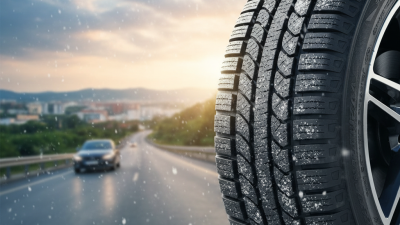
Tips for choosing the best tires include checking tread patterns. Deep grooves can enhance traction, especially in wet conditions. Additionally, evaluate the tire's performance in varying temperatures. Not all tires perform well in extreme heat or cold. You may find some online reviews helpful, but be wary of overhyped claims. Always consider your driving habits and local conditions to ensure safety and performance.
Best Vehicle Tires for 2026 - What to Look For?
| Tire Type |
Key Features |
Expected Innovations |
Durability Rating |
Price Range (USD) |
| All-Season Tires |
Versatile performance in various weather conditions |
Smart tread technology |
4.5/5 |
$70 - $150 |
| Winter Tires |
Enhanced grip and control on snow and ice |
Eco-friendly compounds |
4.7/5 |
$90 - $200 |
| Performance Tires |
Optimized for handling and speed |
Heat-resistant materials |
4.6/5 |
$100 - $250 |
| Off-Road Tires |
Rugged design for rough terrains |
Self-cleaning tread patterns |
4.4/5 |
$120 - $300 |
| Run-Flat Tires |
Designed to be driven on after a puncture |
Lightweight, high-strength materials |
4.5/5 |
$150 - $350 |
Tips for Maintaining Your Tires for Optimal Performance
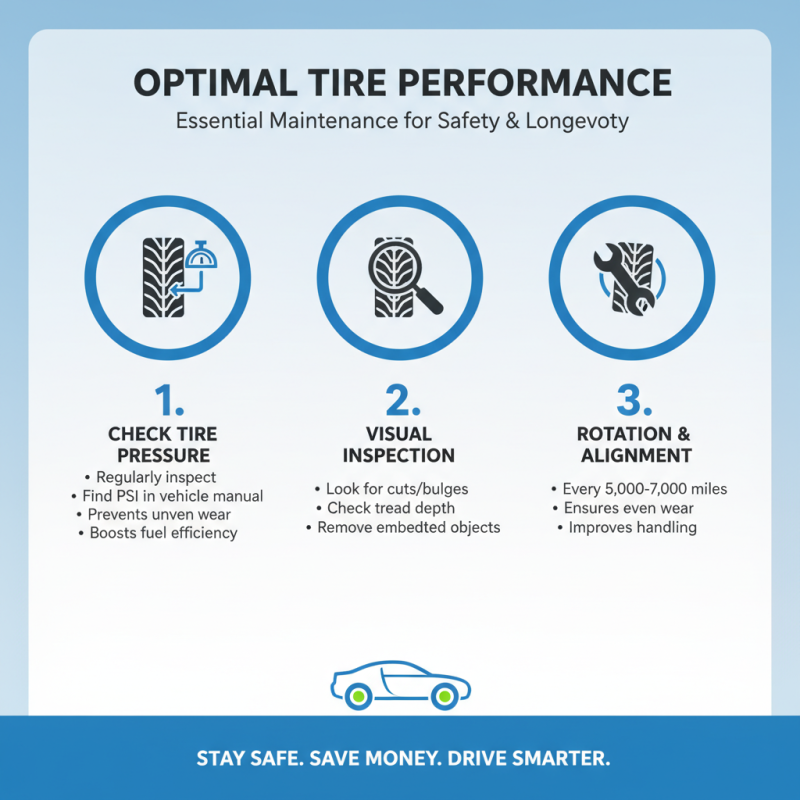
Maintaining your tires is crucial for your vehicle’s performance. Proper care can extend tire life and enhance safety. Start by regularly checking tire pressure. Under-inflated tires wear faster and reduce fuel efficiency. Aim for the recommended pressure listed in your vehicle's manual. It’s a simple yet often overlooked step.
Another important tip is to rotate your tires. This helps ensure even wear. Depending on your driving habits, consider rotating them every 5,000 to 7,500 miles. Neglecting this simple maintenance can lead to premature tire replacement. If you notice unusual tread wear, it might be time for a professional inspection.
Keeping tires aligned is also essential. Misalignment can cause vibrations and compromise handling. Visit a service center if you feel your steering wheel pulling to one side. Regular alignment checks can prevent uneven wear. Remember, taking care of your tires today sets you up for safer journeys tomorrow.