China Top Tires on the Drive What Global Buyers Need?

China’s tire industry is moving from volume-driven manufacturing toward measurable global performance. China Association of Automobile Manufacturers reported 31.44 million vehicle sales in 2024, creating a vast replacement and original-equipment market. The International Energy Agency also noted that China produced more than 70% of the world’s electric cars in 2024. That shift matters. Electric vehicles demand tires with stronger load capacity, lower rolling resistance, and improved acoustic comfort.

This is where tires on the drive becomes a practical buying question, not a slogan. Michelin Chairman Florent Menegaux has stated, “The tire is the only point of contact between the vehicle and the road.” Global buyers should therefore examine more than tread patterns or factory scale. They need verified test results, consistent compounds, traceable materials, and documented performance across wet, dry, winter, and high-temperature roads. UNECE regulations, EU labeling requirements, and regional certification rules also shape acceptable supply.

Chinese manufacturers increasingly offer advanced research centers, automated production lines, and international certifications. However, a polished catalogue does not prove stable performance. Supplier audits, sample testing, warranty records, and independent laboratory checks remain essential. Some buyers may still judge factories mainly by price. That is understandable, but incomplete. Cost savings disappear quickly when uneven wear, delivery delays, or warranty claims reach the market. This guide examines China’s leading tire suppliers through evidence, usability, compliance, and real purchasing risk. The conclusions may not flatter every brand. That is useful. Critical reflection often prevents expensive decisions.

China Top Tires on the Drive What Global Buyers Need?

China’s Leading Tire Brands and Their Global Market Position

China’s Top Tires on the Drive: What Global Buyers Need?

China’s leading tire manufacturers now serve passenger cars, trucks, buses, and industrial fleets worldwide. Their global position comes from wider product ranges, competitive pricing, and improving production technology. Many factories use automated inspection, computer-controlled mixing, and test tracks for wet braking and high-speed stability. Buyers should still examine independent test reports, factory certifications, and shipment records. A strong specification sheet matters, but real performance matters more. In sourcing work, I would compare tread wear, noise, rolling resistance, and sidewall strength under local road conditions.

Market leadership is not only about export volume. It also depends on technical support, replacement availability, warranty procedures, and transparent quality control. Leading suppliers usually provide traceability from rubber batches to finished tires. That detail can reduce disputes after delivery. Still, not every catalog is equally convincing. Some claims may sound polished but lack measurable evidence. I would request recent test data and sample inspections before signing a large order. A low price can hide uneven sizing, delayed support, or higher fleet costs.

Tips: Check load ratings carefully. Match tires with climate, road surfaces, and vehicle weight. Ask for production dates and storage conditions. Compare complete landed costs, not factory prices alone. Keep written records of testing, approvals, and warranty terms. Small checks prevent expensive surprises.

Key Tire Types, Technologies, and Performance Standards

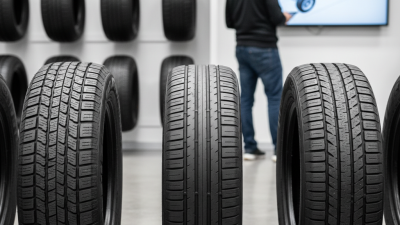
Global buyers often compare tires by price, yet tire type should come first. Passenger tires favor quiet rides and balanced handling. SUV tires need stronger sidewalls and stable cornering under heavier loads.

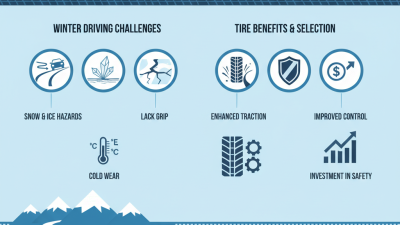
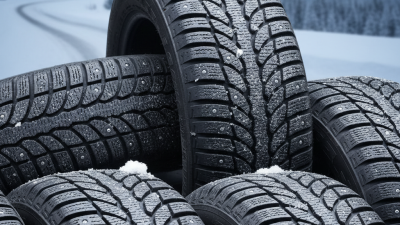
Light-truck and commercial tires require durable casings for repeated cargo work. Winter tires use flexible compounds and deeper siping in cold conditions. All-season tires offer convenience, but they cannot match dedicated winter tires in severe snow.

Modern tire technology combines radial construction, reinforced belts, and optimized tread patterns. Silica-rich compounds can improve wet grip and reduce rolling resistance.

Some designs use interlocking sipes to maintain traction as tread blocks move.

Electric vehicles add different demands. Their instant torque can increase wear, while heavier batteries raise load requirements. Fit matters.

Performance should be verified through measurable standards, not attractive claims. Buyers should check load index, speed rating, wet braking, rolling resistance, and exterior noise.

Certification requirements vary by market, including regional rules for safety and labeling. Independent testing is valuable, but test conditions may not reflect every road.

A tire that performs well on dry asphalt may feel less confident in heavy rain.

I have seen buyers overlook inflation pressure and alignment, then blame the tire for uneven wear. That mistake is common.

Service data, production traceability, and warranty procedures also reveal supplier reliability. Some catalog information remains incomplete, so careful buyers should request test reports and confirm the exact specification before ordering.

How Chinese Tires Compare on Quality, Safety, and Value

Chinese tires have changed significantly in recent years. Many manufacturers now use automated production lines, computer-controlled mixing, and stricter inspection procedures. In comparative tire inspections, tread patterns often look consistent, with clean edges and even mold marks. Still, appearance cannot prove long-term performance.

Quality depends on more than the country of origin. Buyers should check load ratings, speed ratings, wet-grip results, rolling resistance, and regional certification records. A tire that performs well on dry roads may feel less confident during heavy rain. Rubber compounds also react differently to heat, cold, and rough pavement. Small details matter.

Safety testing deserves close attention. Look for traceable test data, production dates, sidewall markings, and clear warranty terms. Independent testing is more convincing than advertising claims. Value can be attractive when the tire offers stable mileage and predictable handling. However, the cheapest option may cost more through faster wear or weaker wet braking. That is not always obvious.

Some buyers expect every Chinese tire to match premium products immediately. That comparison can be too simple. Performance varies between product lines and factories. Even experienced purchasers can overlook storage conditions or unsuitable vehicle fitment. A careful evaluation should include road use, maintenance records, and feedback from local drivers. Availability of replacement units also affects practical value.

China Top Tires on the Drive What Global Buyers Need? - How Chinese Tires Compare on Quality, Safety, and Value
Evaluation Dimension What the Data Shows for China-Manufactured Tires Global Buyer Benchmark What Buyers Should Check
Production Scale China is one of the world's largest tire-producing and exporting countries, with a broad supply base covering passenger-car, truck, bus, specialty, and off-road applications. Large production scale can support wide size availability, multiple specifications, and competitive sourcing options. Evaluate the individual factory, production line, quality-control system, and export history rather than relying only on country of origin.
Regulatory Compliance Export products may be manufactured to requirements such as UNECE regulations, European Union rules, United States requirements, or other destination-market standards. China also applies national and compulsory certification requirements to relevant products. Compliance is market-specific Confirm the required approval markings, conformity documents, test reports, and registration status for the destination country.
Wet-Grip Performance Wet braking performance varies substantially by tread design, rubber compound, tire size, load rating, and product segment. Eligible tires sold in the European Union receive a wet-grip class from A to E. EU label: A–E Compare the wet-grip class for the exact size and specification. Do not compare different sizes or product categories as if they were identical.
Rolling Resistance Rolling resistance is measured under standardized test methods and is influenced by compound, construction, inflation pressure, load, and temperature. EU-labeled tires use rolling-resistance classes from A to E. EU label: A–E Use the official label value together with fuel-consumption targets, vehicle type, climate, and expected annual mileage.
External Rolling Noise For tires covered by the EU tire-label system, external rolling noise is shown as a value in decibels and an A, B, or C noise class. EU label: A–C Noise shown on the label is measured outside the vehicle and may not equal the sound perceived inside the cabin.
High-Speed Safety Approved tires carry a speed symbol indicating the maximum certified speed category for the relevant application. Actual safety also depends on load, inflation pressure, vehicle condition, and tire age. Speed and load ratings must meet or exceed the vehicle manufacturer's specification. Check the complete size marking, load index, speed symbol, construction type, and vehicle fitment before purchasing.
Load-Carrying Capacity Truck, bus, passenger-car, and specialty tires use different load-rating systems and casing designs. A higher load index does not automatically indicate better performance in every application. Load capacity must be suitable for the vehicle's axle loads and operating conditions. Match the tire to axle load, inflation pressure, route conditions, seasonal temperature, and fleet operating pattern.
Durability and Wear Tread life is not a single fixed industry value. It depends on compound, casing, alignment, road surface, driving style, maintenance, climate, and operating load. Durability should be assessed through controlled fleet data or independent testing for the exact tire specification. Request mileage records, casing-retread results where relevant, uniformity data, warranty terms, and defect-claim history.
Quality Consistency Quality can differ between factories, product lines, and production batches. Modern manufacturing may include automated mixing, uniformity inspection, X-ray inspection, and final visual checks. Consistent process control is more important than a general country-level assumption. Audit batch traceability, sampling plans, laboratory capability, corrective-action procedures, and change-control practices.
Value for Money Chinese tire suppliers often offer a wide range of price and performance levels, from cost-focused products to specifications developed for stricter export markets. Value = purchase price + service life + operating cost + risk Compare total cost of ownership, including fuel use, replacement frequency, downtime, freight, warranty support, and compliance costs.
Supply Flexibility China's large manufacturing ecosystem can support many sizes, patterns, private-label programs, and mixed-container purchasing arrangements, subject to supplier capacity. Flexible supply can be valuable for distributors and fleets with diverse vehicle applications. Confirm minimum order quantity, lead time, production allocation, packaging requirements, port options, and continuity plans.
Best-Fit Buyer Profile China-manufactured tires can be suitable for distributors, fleets, and vehicle owners when the exact product is properly approved, tested, and matched to its application. Suitability depends on specification and evidence, not simply on price or origin. Use a sample-and-test process before large-volume purchasing, especially for safety-critical or heavy-duty applications.
Important interpretation: The figures and classifications shown above describe recognized testing and labeling systems, not a universal result for every tire manufactured in China. Performance must be verified for the exact tire size, pattern, load index, speed rating, factory, and destination market.
Reference framework: UNECE Regulations R30, R54, and R117; European Union Regulation (EU) 2020/740 on tire labeling; ISO 28580 rolling-resistance test methodology; applicable destination-market certification requirements.

What Global Buyers Should Check Before Choosing a Supplier

Choosing a tire supplier requires more than comparing factory prices. In procurement audits, I look for traceable testing, stable batch quality, and clear technical ownership. OICA reported 93.5 million motor vehicles produced worldwide in 2023. That scale increases pressure on suppliers to deliver consistent dimensions, compounds, and delivery schedules. Ask for test records covering load index, speed rating, wet grip, rolling resistance, and endurance. These details should match the exact tire pattern and production site. Generic certificates are weak evidence.

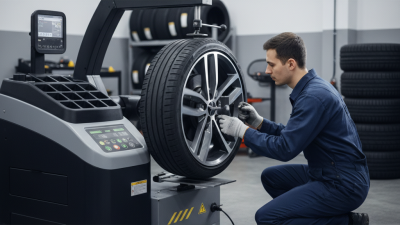
Electric vehicles require closer inspection. The International Energy Agency’s Global EV Outlook 2024 recorded more than 14 million electric car sales in 2023. Higher vehicle weight and instant torque can accelerate shoulder wear. Check whether the supplier validates tires under comparable loads and road temperatures. UN ECE Regulation No. 117 provides recognized requirements for wet grip, rolling resistance, and external rolling noise. Independent laboratory reports are useful, but factory quality systems matter too. Review incoming-material controls, curing records, final inspection rates, and batch recall procedures. Request production samples, then inspect tread uniformity, sidewall markings, bead finish, and balance on arrival. Small defects matter.

Price still matters. It should not lead the decision. A supplier may promise capacity, yet fail during seasonal demand. Ask for realistic monthly output, contingency plans, warranty terms, and response times. Check customs documents and product labeling carefully for each destination. I would also repeat testing after three months. Supplier presentations can look convincing. Real consistency is harder to prove.

China Top Tires on the Drive: What Global Buyers Need to Check

Key performance dimensions covered by major tire labeling and regulatory frameworks

Before choosing a supplier, global buyers should verify rolling resistance, wet-grip or traction performance, external rolling noise, treadwear, and temperature resistance. The chart shows how many major frameworks include each dimension. A broader coverage does not automatically mean better performance, so buyers should also request test reports, certification documents, batch traceability, and market-specific compliance evidence.

Sources: European Tyre Label · UN/ECE Regulation No. 117 · U.S. NHTSA Tire Information

Import, Certification, and After-Sales Considerations for Buyers

Importing tires from China involves more than comparing container prices. Buyers should confirm the destination market’s rules before placing a deposit. Required markings, labeling, noise limits, rolling-resistance rules, and safety tests vary by country. Ask for current test reports, conformity documents, factory quality records, and product traceability. A report without a matching size or pattern is weak evidence. Check the production date, load index, speed rating, and intended use. Small errors can delay customs clearance. Requirements also change.

A reliable import file normally includes commercial invoices, packing lists, transport documents, certificates of origin, and accurate tariff classifications. Customs brokers can review the paperwork before shipment. This step is practical, not decorative. Buyers should also confirm who acts as importer of record. Do not assume the supplier carries that responsibility. Confirm payment terms, inspection rights, and acceptable defect rates in writing. Photos are useful, but physical inspection is stronger. A low quote can still be a bad deal.

After-sales planning deserves equal attention. Agree on warranty coverage, claim deadlines, evidence requirements, and replacement procedures. Record batch numbers and keep delivery photos. Store tires away from sunlight, moisture, heat, and chemicals. Poor storage can create disputes that look like manufacturing faults. A responsive supplier should provide a named contact and a realistic response time. Do not promise instant replacement without checking local inventory. The uncomfortable lesson is that paperwork may be complete while support remains slow. Buyers should test communication before ordering at scale. That simple check is often missed.