2026 How to Choose the Best Winter Car Tires for Your Vehicle?
When winter approaches, many drivers worry about their safety on icy roads. Choosing the right winter car tires is crucial. According to tire expert Jim Roberts, “Winter car tires can make a significant difference in handling and safety.” Finding the best tires can be confusing.
Several factors come into play during selection. Drivers need to consider their local climate, driving habits, and vehicle type. Not every winter tire is suitable for every situation. Some tires perform well on snow, while others excel on icy surfaces.
It can feel overwhelming. It's essential to conduct proper research. Many drivers overlook details, miss important features, or fall for misleading advertisements. Selecting the right winter car tires should not be rushed. Taking the time to understand your needs will lead to a safer winter driving experience.
Understanding Different Types of Winter Tires Available for Your Vehicle
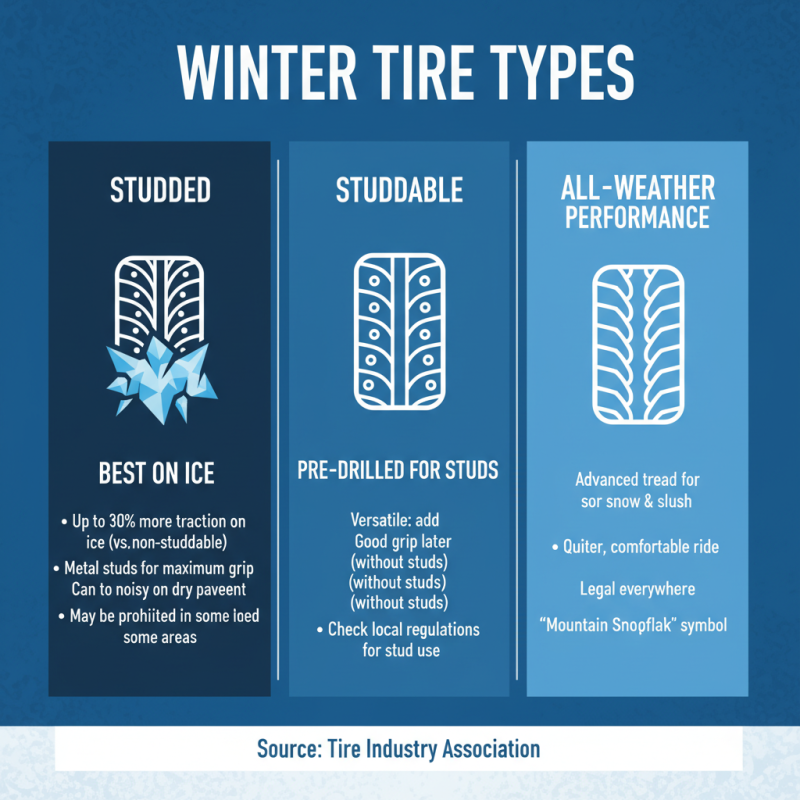
When choosing winter tires, understanding the types available is crucial. There are mainly three types: studded, studdable, and non-studdable tires. Studded tires excel in icy conditions, offering superior grip. According to the Tire Industry Association, these tires provide up to 30% better traction on ice than their non-studdable counterparts. However, they can be noisy on dry pavement and may be prohibited in certain areas.
Studdable tires offer flexibility. They can be used with or without studs, allowing drivers to adapt to changing conditions. This versatility is appealing, yet it also requires careful consideration about when to switch the tire configuration. Non-studdable tires, usually designated as all-weather, often perform well in moderate winter conditions. The Rubber Manufacturers Association suggests that these tires can last longer than studded tires but may not perform as well on sheer ice.
While it's tempting to choose the tires that promise the best performance, varying weather conditions can complicate decisions. Drivers must assess their local climate and driving habits. An assessment of your needs can highlight potential mismatches. It’s important to remember that no tire is perfect for every condition, and experimenting with different options may lead to some unforeseen challenges.
Factors to Consider When Selecting Winter Tires for Your Driving Conditions
Choosing the right winter tires is crucial for safe driving. Different conditions require different tire features. Consider the typical weather in your area. If you face heavy snowfall, deep treads offer better grip. These patterns help in channeling snow and slush away from the tire.
Evaluate your driving habits as well. Do you frequently drive on highways or city roads? Highway driving calls for tires that minimize noise while offering stability. On the other hand, city driving benefits from tires that can handle wet and icy spots effectively. Also, think about the temperature range. Tires designed for extreme cold often outperform standard winter tires as temperatures drop.
Finally, pay attention to tire size and compatibility with your vehicle. Consult your owner’s manual or do some research online. The right size ensures optimal performance and safety. It’s easy to overlook these details, but they are vital for winter safety. A small mistake here can lead to unnecessary risks on the road.
2026 How to Choose the Best Winter Car Tires for Your Vehicle?
This chart illustrates the factors to consider when selecting winter tires for different driving conditions, showcasing their impact on driving safety and performance.
How to Determine the Right Tire Size and Specifications for Your Vehicle
Choosing the right tire size and specifications is crucial for winter driving. Start by checking your vehicle’s owner manual. It provides essential details about recommended tire sizes. Each vehicle has unique requirements based on weight, drive type, and intended use. Ignoring these can lead to unsafe conditions on icy roads.
Consider the width of the tire. Wider tires provide better traction but may struggle in deep snow. A narrower tire cuts through snow more effectively. Think about the aspect ratio as well. This indicates the tire's height relative to its width. A lower ratio often improves handling but can compromise comfort when driving on rough terrain.
Take the time to understand specifications like load index and speed rating. The load index indicates how much weight each tire can support. Choosing tires with insufficient capacity can lead to blowouts. The speed rating shows the maximum safe speed for the tire. Opting for tires that exceed your usual driving speed enhances safety. Refine your choices based on these details to ensure a safer winter driving experience.
Evaluating Tire Brands and Reviews for Quality and Performance Insights
When choosing winter car tires, evaluations are crucial. Not all tires perform the same under icy conditions. Consider the types of treads and rubber compounds used. Deep grooves often provide better traction in snow. Softer rubber typically remains pliable in freezing temperatures.
Diverse tire reviews are available online. Some consumers focus on price, while others prioritize performance. Reviews from real users can offer valuable insights. Pay attention to feedback about durability and handling in snow. Remember, not every highly-rated tire suits your vehicle perfectly.
Don't overlook local climate concerns. Mountainous regions may require more rugged options. Compare multiple sources to gather a comprehensive view. Sometimes, those with the lowest claims have practical merits.
Balancing cost and performance is challenging but essential. Choosing the right tire can significantly affect safety and comfort on winter roads.
Budgeting for Winter Tires: Costs and Long-Term Investment Considerations
When budgeting for winter tires, the initial cost can be daunting. On average, a set of four tires ranges from $400 to $1,000. This depends on size and type. Research shows that investing in quality winter tires can reduce stopping distance by 30%. For many drivers, this means better safety in icy conditions.
Consider your driving habits. If you often face severe winter weather, higher-quality tires may be justifiable. However, the less severe the conditions, the more room you have for budget options. An industry report revealed that many drivers underestimate the long-term savings. Inadequate tires can lead to accidents, higher repair costs, and insurance claims. The right tires enhance vehicle performance and extend the life of your car.
Reflect on your choices. Cheaper tires might save money upfront but can cost you later. Think about your safety and the environment. Studies indicate that poor tire choices contribute to over 20% of winter accidents. Weigh your options carefully. Investing in the right winter tires is not just about today. It's about ensuring a safer tomorrow on the road.
2026 How to Choose the Best Winter Car Tires for Your Vehicle?
| Tire Type |
Cost Range (per tire) |
Tread Life (miles) |
Snow Traction Rating |
Comfort Level |
| Studded Tires |
$100 - $200 |
30,000 - 60,000 |
Excellent |
Moderate |
| Non-Studded Winter Tires |
$80 - $180 |
40,000 - 70,000 |
Good |
High |
| All-Season Tires |
$70 - $150 |
40,000 - 80,000 |
Fair |
High |
| Performance Winter Tires |
$120 - $250 |
30,000 - 50,000 |
Very Good |
Moderate |