Choosing the right season tires begins with understanding your climate, not trusting a familiar label. Weather changes quickly. A sunny morning can become a wet, icy commute by evening.
Tire engineer Cyrille Roget, a technical communications expert at Michelin, explains, “The right tire must match the conditions drivers actually face.” That idea sounds simple. It is easy to forget.
In warm regions, summer tires can provide strong grip on dry roads and better steering response. Their rubber compounds remain stable under high temperatures. In areas with frequent rain, look for deep grooves and effective water evacuation. Those details can reduce the unsettling feeling of a floating steering wheel.
Cold climates demand more careful choices. When temperatures regularly fall below 7°C, winter season tires usually offer improved flexibility and traction. Their tread patterns can bite into snow, slush, and compacted ice. Studless designs may suit urban roads, while studded options can help on severe icy surfaces, where regulations permit.
All-season tires remain practical for moderate climates. However, they may compromise in extreme heat or heavy snow. That compromise matters.
Check the tire’s sidewall markings, load rating, speed rating, and production date. A tire can look new yet have aged rubber. Maintain pressure during seasonal temperature swings. Inspect tread depth before the first storm, not during it.
There is no perfect choice for every driver. Annual mileage, parking conditions, road maintenance, and driving confidence all matter. A local tire professional can compare these details with regional weather records. Even then, the decision may not feel completely certain. That is a useful reason to review it carefully.
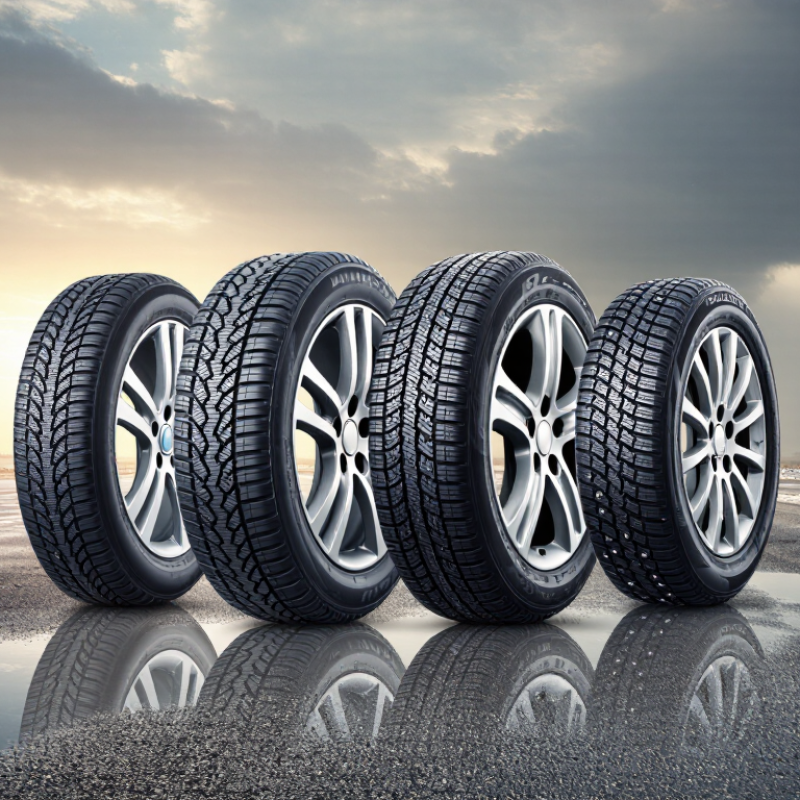
All-season tires are designed for compromise, not every season. Their tread balances dry roads, light rain, and occasional snow. They suit drivers in moderate climates with limited temperature extremes.
The U.S. Tire Manufacturers Association uses 45°F (7°C) as a practical winter-tire changeover reference. Below that point, ordinary rubber can stiffen noticeably.
Steering may feel slower on a cold morning. That detail is easy to miss.
Summer tires use specialized compounds and wider, more rigid tread blocks. They grip warm, dry asphalt and resist movement during fast cornering. Their grooves also channel heavy rain, but they are not intended for freezing roads.
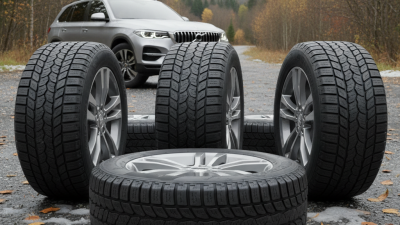
Winter tires use softer compounds, deeper grooves, and thousands of biting edges. Those features help them remain flexible on ice and packed snow.
According to AAA’s 2016 winter-tire testing, winter tires stopped 5% to 11% shorter than all-season tires on snow. Small distances become important near a crosswalk.
Climate still matters more than the calendar. A coastal driver may need summer tires through most of the year, while a mountain driver may need winter tires for months.
Also inspect the driveway at dawn, not only at noon. I once underestimated cold rain because the road looked merely wet. That judgment was incomplete.
Tire choice should match the coldest roads you regularly drive, not the weather you hope to get.
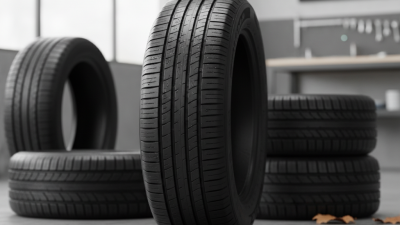
Assess your climate before comparing tire labels. Track typical temperatures, rainfall, snowfall, and sudden weather changes. Transport Canada advises using winter tires below 7°C because their rubber remains more flexible. That threshold is useful, but not absolute. A shaded bridge may freeze while nearby roads stay dry.
Road type matters just as much. Record your weekly routes: highways, steep streets, gravel lanes, or frequently flooded roads. The FHWA Road Weather Management Program reports that wet pavement is linked to about 74% of weather-related crashes. Rainfall alone accounts for roughly 46%. These figures support choosing tires with dependable wet braking, not only visible tread depth.
Seasonal driving habits complete the assessment. Someone driving before sunrise through mountain passes faces different risks from a city commuter using cleared roads. Check stopping distance, cornering stability, and pressure changes during temperature drops. The U.S. Department of Transportation recommends checking tire pressure regularly, especially before long trips. Do it when tires are cold.
I once treated “all-season” as a universal answer. That assumption was too simple. In mild climates, it may work well. In persistent snow, dedicated winter tires usually provide stronger traction. In hot regions, prioritize heat resistance and wet-road control. Review local crash data and road maintenance reports where available. Personal judgment still matters.
Choosing the right tire starts with local weather, not the calendar. A mild coastal winter needs a compound that stays stable in rain and warm pavement. Colder regions need rubber that remains flexible near 7°C. Tread design matters just as much. Short trips expose this quickly.
The Federal Highway Administration’s How Do Weather Events Impact Roads? report found that 21% of crashes from 2007–2016 involved hazardous weather. Wet pavement accounted for 73% of weather-related crashes, while rainfall appeared in 46%. These figures support a practical choice: frequent rain requires deep circumferential grooves and lateral channels that move water away from the contact patch. Smooth-looking tread is not automatically efficient.
For snow, many winter compounds remain softer in low temperatures. Dense siping creates more biting edges on packed snow, while wider grooves help clear slush. Drivers in dry, hot areas should avoid overly soft compounds, which may wear quickly and feel vague during braking. I once chose a tire by tread appearance alone. My mistake. After checking monthly temperatures, rainfall, and driving routes, the better match became obvious. A local weather record from the National Oceanic and Atmospheric Administration can reveal more than a generic “all-season” label. Tire pressure also deserves attention; cold mornings reduce pressure, changing handling before the road looks dangerous.
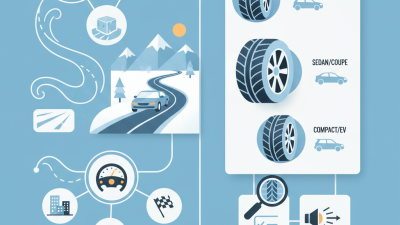
Tire compounds and tread patterns should match local temperature, precipitation, and road conditions. Winter compounds remain flexible in cold weather, summer compounds provide stronger warm-weather handling, and all-season compounds offer balanced performance across moderate conditions.
The suitability index ranges from 1 to 5 and summarizes established tire-engineering characteristics: cold-weather flexibility, warm-weather stability, wet-road evacuation, and snow traction. It is a general climate-matching guide, not a laboratory stopping-distance test.
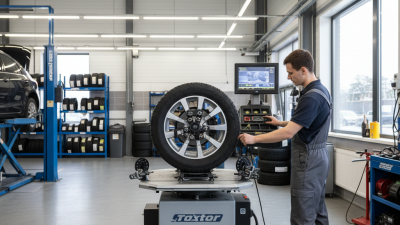
Choosing seasonal tires starts with your vehicle, not the weather forecast. Open the driver’s door and read the placard beside the frame. It lists the approved tire size, cold inflation pressure, and maximum load. Then check the owner’s manual for alternate sizes and wheel requirements. Do not copy a tire’s sidewall numbers without checking vehicle compatibility. Small differences matter.
A size such as 225/55R17 contains useful information. The first number is section width in millimeters. The second is sidewall height as a percentage of width. “R” identifies radial construction, while 17 indicates wheel diameter in inches. Match the load index and speed rating listed for your vehicle. A lower rating may reduce handling safety, even if the tire fits physically. For cold climates, look for a severe-snow symbol when winter performance is necessary.
Climate still guides the final choice. In mild rain, a touring seasonal tire may provide balanced wet grip and tread life. In repeated freezing temperatures, choose a tire designed for cold flexibility, not merely deep grooves. Measure tread wear and inspect the manufacturing date before buying. I once treated “fits the rim” as enough; it was not. Clearance, axle pairing, pressure sensors, and all four matching tires can change the result. Ask a qualified technician to verify the fit, especially after changing wheel size. Leave room for doubt.
Seasonal tires need care between weather changes, not just during installation. Check pressure when the tires are cold, ideally before driving in the morning. The U.S. Tire Manufacturers Association recommends monthly pressure checks, because tires commonly lose about one pound per square inch each month. A small gauge, stored in the glove box, makes this task easier.
Inspect tread and sidewalls before every seasonal change. Look for cracks, bulges, uneven wear, or stones trapped in the grooves. The National Highway Traffic Safety Administration identifies tire-related defects as a significant road-safety concern. Do not rely only on the tread-wear bars. Uneven wear may signal poor alignment, worn suspension parts, or incorrect inflation. These problems can quietly return after installation. They deserve professional inspection.
Store removed tires in a cool, dry, dark place, away from fuel, solvents, and direct sunlight. Clean and dry them first, then place them upright if mounted, or stack them flat if unmounted. Mark their previous positions, but rotate them only according to the vehicle maker’s guidance. The Rubber Manufacturers Association advises replacing tires at six years from manufacture, regardless of remaining tread, although climate and storage can shorten service life. This rule is not perfect. Heat, heavy loads, and neglected pressure checks matter too. A dated storage label helps prevent forgotten age.
| Climate or Driving Condition | Recommended Tire Category | Typical Temperature Range | Key Selection Factors | Seasonal Maintenance Practices | Replacement or Changeover Indicators |
|---|---|---|---|---|---|
| Hot, dry regions | Summer tires or all-season tires rated for warm conditions | Consistently above 7°C (45°F), often exceeding 30°C (86°F) | Choose a tread compound designed for warm pavement, strong wet braking performance, and a speed rating suitable for the vehicle and driving conditions. | Check pressure at least monthly and before long trips. Inspect for uneven wear, cracking, and damage caused by heat or road debris. Avoid prolonged storage in direct sunlight. | Replace when tread wear reaches the legal limit in the relevant region, when cracks or bulges appear, or when braking and wet-road grip noticeably decline. |
| Warm, rainy, or humid regions | Summer tires with effective wet-weather tread design or capable all-season tires | Usually above 7°C (45°F), with frequent rainfall | Prioritize wet-grip ratings, open circumferential grooves, hydroplaning resistance, and correct load capacity. | Maintain the vehicle manufacturer's recommended cold inflation pressure. Rotate tires according to the vehicle or tire manufacturer's schedule and keep wheels properly aligned. | Inspect for shallow tread, irregular shoulder wear, exposed cords, or vibration. Reduced water evacuation is a safety concern even if the tire appears visually intact. |
| Mild, mixed-season climate | All-season tires suitable for the local temperature and snowfall pattern | Commonly between approximately -7°C and 30°C (20°F and 86°F) | Select tires with the correct size, load index, speed rating, and traction performance for occasional rain, light cold, and changing road conditions. | Check pressure monthly, rotate at regular intervals, and inspect tread depth before winter. Keep a record of installation dates and mileage. | Consider dedicated winter tires if snow, ice, or sustained temperatures below 7°C (45°F) are common rather than occasional. |
| Cold winters with occasional snow | Winter tires during the cold season; summer or all-season tires during warmer months | Frequently below 7°C (45°F), with intermittent snow or ice | Winter tires use a cold-flexible compound and tread features designed to improve traction on cold, snowy, and icy roads. Confirm local requirements for winter equipment. | Install before temperatures regularly fall below 7°C (45°F). Check pressure because cold weather lowers inflation pressure. Store the unused set clean, dry, and away from heat and sunlight. | Remove winter tires when temperatures remain consistently above 7°C (45°F), as warm pavement can accelerate wear. Replace damaged tires or those with insufficient winter tread. |
| Frequent heavy snow and ice | Severe-snow-rated winter tires, where permitted and appropriate | Often below 0°C (32°F), with regular snow or icy surfaces | Look for the legally recognized severe-snow symbol where applicable, adequate sidewall strength, compatible wheel size, and sufficient clearance for the vehicle. | Use four matching winter tires rather than mixing seasonal types. Check pressure frequently, inspect for packed snow or ice, and drive at speeds appropriate for road conditions. | Replace if tread is worn, studs are missing where studded tires are legal, sidewalls are damaged, or traction has deteriorated. Follow local laws for stud use and changeover dates. |
| Mountain roads and variable elevation | Winter tires in the cold season; all-season or summer tires in warm conditions | Can change rapidly from above 7°C (45°F) to below freezing | Consider snow traction, braking stability, sidewall durability, load rating, and the vehicle's drivetrain. Four-wheel drive does not replace appropriate tires. | Inspect tires before mountain trips, verify pressure when tires are cold, and carry legally required traction equipment. Avoid mixing tires with substantially different tread patterns or wear levels. | Change tires before predictable seasonal temperature changes. Replace any tire with cuts, punctures near the sidewall, bulges, or severe uneven wear. |
| Light off-road, gravel, or rough roads | All-terrain tires with suitable road and weather ratings | Depends on the region; select for the lowest expected temperature and surface conditions | Balance on-road braking and noise with sidewall protection, tread durability, load capacity, and traction on loose surfaces. | Inspect tread blocks and sidewalls after rough-road use. Remove embedded stones, maintain recommended pressure, and check alignment after severe impacts. | Replace after repeated punctures, structural damage, exposed cords, or tread separation. Do not use a tire beyond its marked load or speed limits. |
| Long-term seasonal storage | The correctly matched off-season tire set | Store in a cool, dry, dark environment with stable temperatures | Before storage, confirm tire size, direction of rotation, and position on the vehicle. Mark each tire's original position if the rotation pattern matters. | Clean and dry tires before storage. Keep tires away from solvents, fuel, ozone-producing equipment, and direct sunlight. Store mounted tires inflated and stacked or hung; store unmounted tires upright and rotate them periodically. | Before refitting, inspect age markings, tread, sidewalls, bead areas, and valve stems. Do not install a tire that has developed cracks, deformation, or other structural damage. |
Reignite your passion for driving with Yokohama tires and experience the superior performance you deserve.