How to Choose the Best All Season SUV Tires for Your Vehicle?
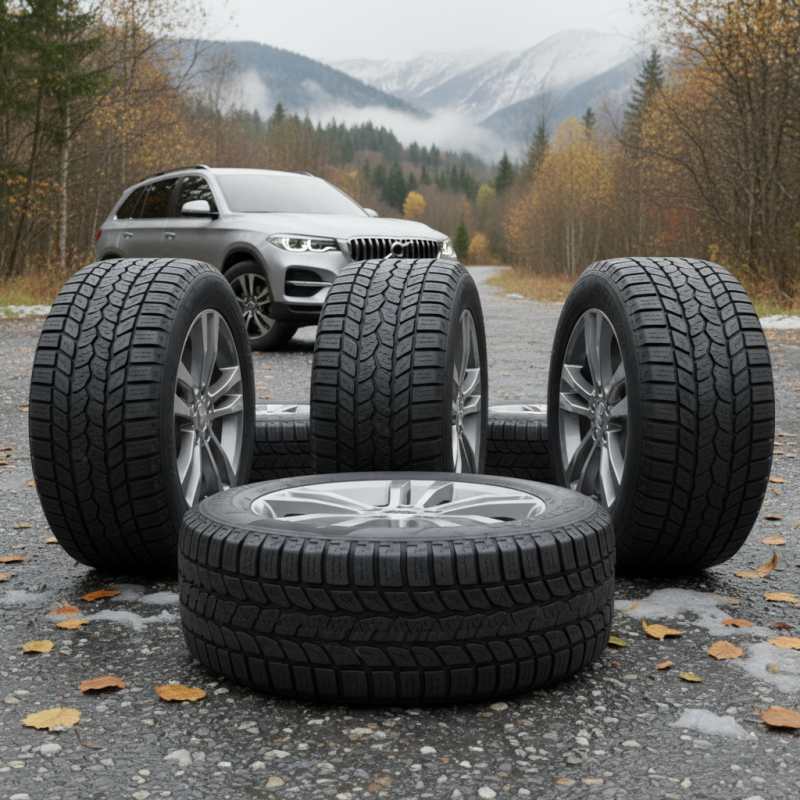
Choosing the right all season SUV tires is essential for optimal performance. These tires offer versatility in various weather conditions. They balance comfort, traction, and durability, making them a practical choice for many drivers.
When selecting all season SUV tires, consider your driving habits. Do you often face rain or light snow? Then, prioritize tires designed for wet traction. Pay attention to the tread pattern; it plays a crucial role in grip. The right tire will enhance your vehicle's handling and safety.
Not all tires are created equal. Some may wear faster than others. Researching different brands can help you avoid costly mistakes. It's worth noting that not every all season tire excels in every situation. Reflect on your specific needs and climate to make an informed decision.
Understanding the Importance of All-Season Tires for SUVs
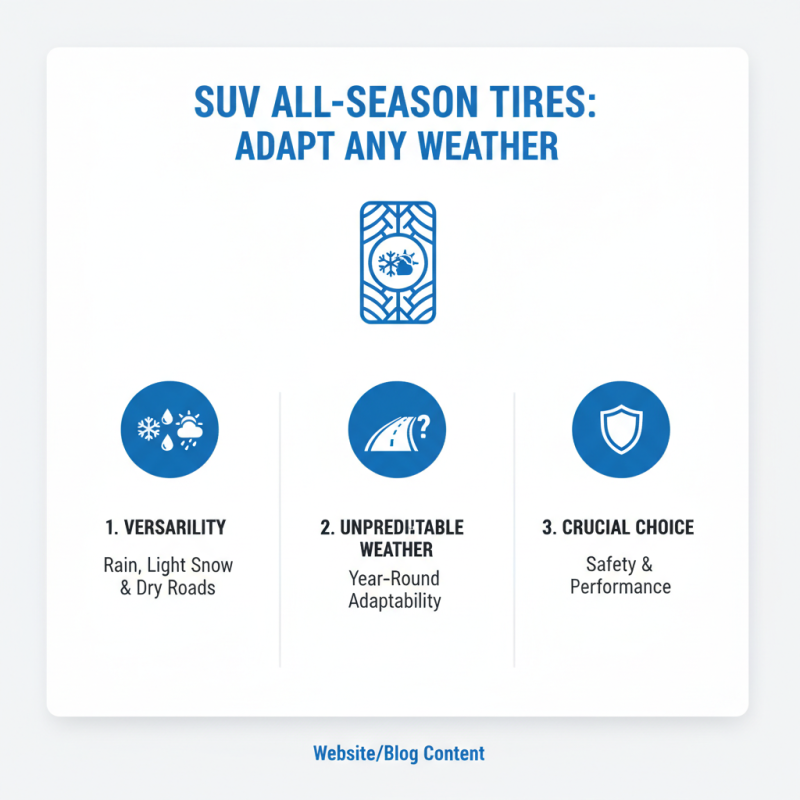
When it comes to SUVs, choosing the right all-season tires is crucial. All-season tires provide versatility for various weather conditions. They perform reasonably well in rain, light snow, and dry conditions. This adaptability is significant for drivers who face unpredictable weather throughout the year.
For SUV owners, the importance of selecting quality all-season tires cannot be overstated. These tires offer a balanced tread pattern, enhancing traction on both wet and dry surfaces. Well-designed all-season tires also contribute to ride comfort and lower road noise. However, not all all-season tires are created equal. Some may not provide optimal grip in extreme cold or heavy rain. It's important to recognize this limitation.
Drivers should evaluate their typical driving conditions carefully. Think about where you most often drive. Are you in a region that gets heavy snow or extreme heat? Reflecting on these factors will help you make a wise decision. Quality tires may cost more upfront, but they often save money in the long run. Worn-out tires can lead to poor fuel efficiency and safety concerns. Prioritizing tire maintenance is essential too; regular checks can prevent issues before they arise.
Key Factors to Consider When Choosing SUV Tires
When selecting all-season SUV tires, several key factors must be considered.
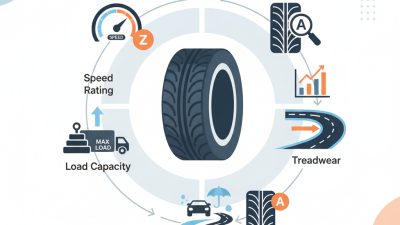
Tire tread plays a crucial role in traction and handling.
According to tire industry reports, tread depth can significantly affect performance in rain and snow.
Tires with deeper grooves typically offer better grip.
Another important factor is the tire's load capacity. SUVs often carry heavy loads,
so tires should support the weight safely. Look for tires with a higher load index.
This specification indicates how much weight the tire can handle.
Tip: Regularly check your tire pressure.
Under-inflated tires negatively affect fuel efficiency and safety.
Also, evaluate road conditions and your driving habits. Some tires perform better in specific weather conditions than others.
Think about noise levels too. A quieter ride enhances comfort during long trips.
Many drivers forget this detail but it can impact overall experience.
Make informed choices when selecting your tires. Each factor may seem small, but they collectively influence your vehicle's performance.
Evaluating Tire Performance in Different Weather Conditions
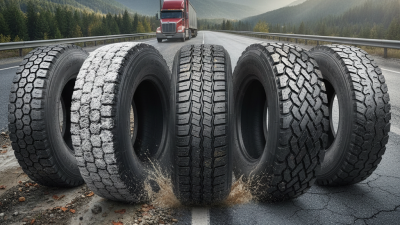
When choosing all-season SUV tires, evaluating their performance in varying weather conditions is essential. Rainy days require tires that can grip wet roads effectively. Look for tread patterns designed to channel water away. This feature helps prevent hydroplaning and enhances traction. In snowy conditions, depth and design matter more than you might think. Shallow treads can lead to slipping.
Consider how tires handle temperature fluctuations. Some tires may perform well in mild weather but struggle in extreme conditions. A balancing act exists; not all tires excel in every scenario. It’s important to research and test how tires react to temperature changes, especially in winter. Feedback from others can be valuable but be cautious of blanket statements.
Pay attention to noise levels, too. Some tires can be surprisingly loud on highways. Comfort is as critical as safety when driving. The overall experience should be smooth, which often requires trial and error. Track how tires wear over time, as this reflects their long-term viability. Regular evaluations can lead to more informed choices in the future.
Comparing Top All-Season Tire Brands for SUVs
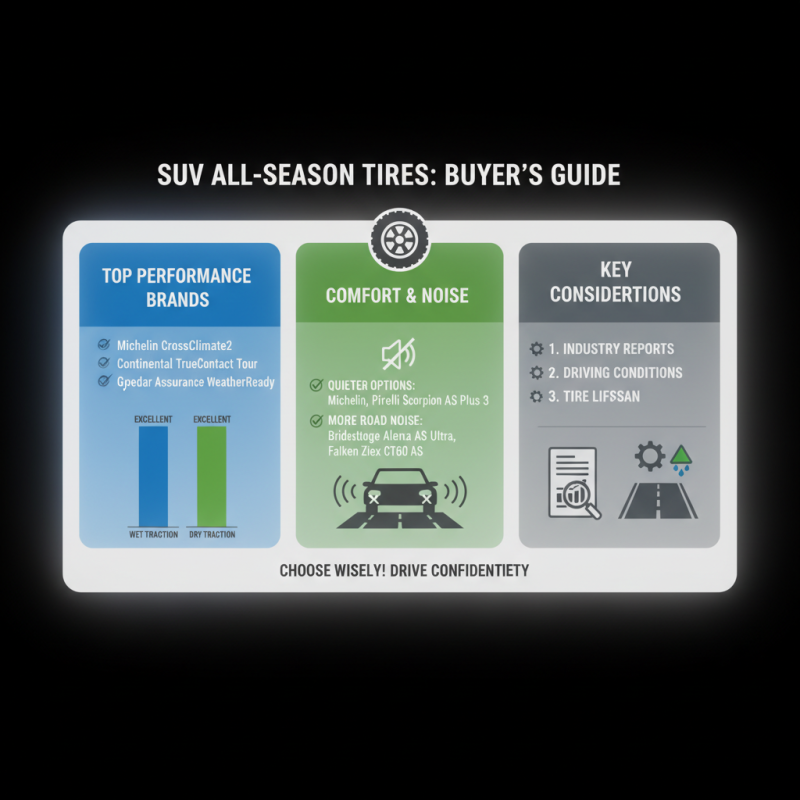
Choosing the right all-season tires for your SUV involves a careful evaluation of various tire brands. Many drivers rely on industry reports that analyze performance metrics. According to recent studies, the top-rated all-season tires excel in wet and dry traction. However, not all brands provide the same level of comfort on highways. Some tires may be quieter while others create more road noise, which can frustrate drivers on long trips.
Performance data often shows significant variations. For example, specific brands may excel in handling, scoring high on rainy conditions, while others may underperform. The difference can be as stark as a 10% variation in braking distances. Factors such as tread design and rubber quality affect these outcomes. Some brands may struggle with durability, leading to faster wear. This can prompt drivers to rethink their choices after a few months of usage.
Choosing an all-season tire also hinges on local climate conditions. In regions with extreme winter weather, all-season tires often fall short. They might not provide adequate grip on ice and snow. This awareness is essential for anyone making an informed decision. Evaluate these factors carefully. An informed choice can lead to safer and more efficient driving.
Maintaining Your All-Season Tires for Optimal Performance
Maintaining your all-season tires is crucial for safety and performance. Regular checks can prevent unexpected issues. Start with inspecting tire pressure monthly. Under-inflated tires can lead to faster wear. Over-inflated tires can reduce traction. Both situations affect handling.
Tread depth is another key element. Use a penny to check it. Place a penny into the tread. If you see all of Lincoln's head, your tires need replacement. Rotate your tires every 5,000 to 7,000 miles. This promotes even wear. Ignoring this step can lead to uneven tread. Uneven wear impacts your vehicle's grip on the road.
Cleaning your tires is also important. Remove debris and dirt regularly. This prevents buildup that can affect performance. Look for any signs of damage too. Blisters or cracks need attention. Regular maintenance helps prolong the life of your tires. Just keep in mind that neglect can lead to serious issues down the road.