How to Choose the Best Vehicle Tires for Your Needs?
Choosing the right vehicle tires is crucial for safety and performance. According to industry reports, approximately 30% of vehicle accidents result from tire-related issues. Understanding the specific needs for your vehicle is essential. Tom Roberts, a renowned tire industry expert, states, “The right tires can enhance fuel efficiency and improve handling.”
Vehicle tires impact everything from fuel consumption to ride comfort. Moreover, with numerous tire types available, selecting the best fit can be daunting. Factors like climate, driving style, and terrain must be considered. A misstep in selection may lead to subpar performance or premature wear.
Many consumers overlook the importance of proper tire maintenance. Regular inspections and air pressure checks can extend tire life. The right knowledge is vital. Equipping yourself with the information can make a significant difference in safety and cost-effectiveness. Choosing vehicle tires should be a thoughtful decision, reflecting your unique driving requirements.

Understanding Your Driving Needs and Conditions
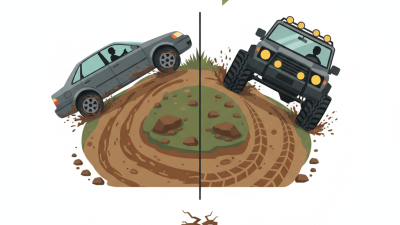
Choosing the right vehicle tires begins with understanding your driving needs and the conditions you face. Are you navigating city streets, off-road trails, or highways? Each environment requires different tire features. For urban driving, tires with a balance of grip and low noise can enhance comfort. Off-road drivers may need sturdier tires designed for rugged terrain and better traction.
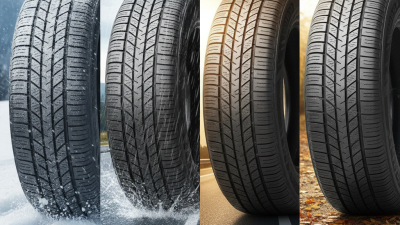
Consider the climate where you live. In wet or snowy areas, all-season or winter tires may be necessary to maintain safety. Hot, dry climates benefit from tires engineered to withstand higher temperatures. Reflect on your driving habits, too. Do you frequently drive at high speeds or carry heavy loads? These factors can significantly impact your tire choices.
Take note: many people often overlook tire maintenance. Regular checks on tire pressure and tread depth can prolong tire life. Ignoring these details can lead to poor performance and safety risks. Understanding your unique driving situation is crucial in making informed tire decisions. The right tires ensure not only optimal performance but also your safety on the road.
Evaluating Different Tire Types and Their Specifications
When selecting the right vehicle tires, understanding the different types available is crucial.
All-season tires offer versatility for various weather conditions.
They perform reasonably well in rain and light snow but may not excel in extreme conditions.
Summer tires, on the other hand, provide superior grip on dry roads and excellent handling.
However, they struggle in cold temperatures and snow, limiting their use.
For those living in areas with harsh winters, winter tires are a must.
These tires feature deeper treads and softer rubber, enhancing traction on ice and snow.
The trade-off is their reduced performance in warmer weather.
Off-road tires are designed for rugged terrains, offering extra durability.
They may produce more road noise and decrease fuel efficiency on highways.
When evaluating tire specifications, consider tread wear ratings,
temperature resistance, and
traction grades.
A tire with a higher tread wear rating lasts longer, while temperature resistance concerns how well a tire can handle heat.
Ideally, you want a balance between durability and performance.
Tire selection is not simply a one-size-fits-all approach; it requires thoughtful consideration of your driving habits and local conditions.
There are always trade-offs.
Assessing Tire Performance Features: Traction, Durability, and Comfort
Choosing the right vehicle tires can significantly impact your driving experience. Assessing tire performance features such as traction, durability, and comfort is crucial. Traction provides grip on various surfaces, which is essential for safe driving. Consider terrain and weather conditions when selecting tires.
Durability refers to how long tires last. High-quality tires withstand wear and tear, saving you money in the long run. Look for features like tread patterns and rubber compounds that enhance durability. However, some durable tires sacrifice comfort.
Comfort involves how tires absorb road imperfections. Softer tires can offer a smoother ride but might wear out faster. Balancing these features requires thoughtful consideration.
Tips: Always check tire pressure regularly. Proper inflation improves traction and durability. Do not overlook tread depth. Shallower tread can compromise safety. Test tire performance on different surfaces to identify preferences.
How to Choose the Best Vehicle Tires for Your Needs? - Assessing Tire Performance Features: Traction, Durability, and Comfort
| Tire Type |
Traction Rating |
Durability Rating (Miles) |
Comfort Level |
| All-Season Tires |
Good |
50,000 |
Moderate |
| Winter Tires |
Excellent |
40,000 |
High |
| Performance Tires |
Very Good |
30,000 |
Moderate |
| Mud-Terrain Tires |
Good |
35,000 |
Low |
| Touring Tires |
Very Good |
60,000 |
High |
Comparing Prices and Brands for Best Value on Tires
When it comes to selecting vehicle tires, comparing prices and brands can be overwhelming. The market is flooded with various options, each promising the best performance. Begin by understanding your driving habits. If you frequently drive in wet or snowy conditions, look for tires specifically designed for those environments. Prices can vary significantly based on features and design, impacting your choices.
Researching online and reading reviews can provide insights into tire performance and durability. Pay attention to customer feedback about lifespan and handling. Certain brands offer warranties, which can also influence value. Don’t hesitate to visit local tire shops for expert advice. Sales representatives can clarify differences among options and help tailor your selection to fit both your vehicle type and budget.
While it may be tempting to buy the cheapest tires, consider the long-term costs. A lower price may mean sacrificing quality. Quality tires can improve fuel efficiency and safety, translating to savings over time. Reflect on your priorities. Do you value performance over price? Balancing these factors is crucial in making the right decision.
Maintenance Tips for Extending Tire Lifespan and Performance
Maintaining your vehicle's tires is crucial for safety and performance. Regular inspections can help detect wear and tear. According to a report from the Tire Industry Association, under-inflated tires can reduce fuel efficiency by 3% for every 1 PSI drop in pressure. Keeping your tires properly inflated can save money and extend their lifespan.
Rotating tires every 5,000 to 8,000 miles is another important maintenance tip. Uneven wear can lead to decreased traction, especially in adverse weather conditions. A study by the National Highway Traffic Safety Administration indicates that properly maintained tires can improve vehicle handling and stopping distances. Neglecting tire maintenance may result in higher replacement costs and reduced safety on the road.
In addition to rotation, checking tire alignment is essential. Misalignment can cause tires to wear unevenly. This issue can increase the risk of blowouts, especially at high speeds. Keeping a close eye on tread depth is also important. Tread depths below 2/32 of an inch can dramatically increase stopping distance. Regular maintenance not only promotes safety but also contributes to overall vehicle efficiency.
Average Tire Lifespan vs. Maintenance Frequency