How to Choose the Best Winter Performance Tires for Your Car?
Choosing the best winter performance tires for your car can feel overwhelming. Each tire has its unique specifications, and not every tire suits every vehicle or driving style. According to Jim Eagan, a renowned tire expert, “Selecting the right winter performance tires is crucial for safety and performance.” This statement emphasizes the weight of this decision.
Winter performance tires are designed for excellent traction in icy and snowy conditions. They feature special tread patterns and softer rubber compounds, enhancing grip when temperatures drop. However, not all winter tires are created equal. Factors like tread depth, fuel efficiency, and handling can greatly differ. It's key to know how these elements affect your driving experience.
Furthermore, be aware that personal driving habits impact tire performance. Some drivers may prefer a quieter ride, while others prioritize aggressive handling. Reflecting on your priorities will help narrow down your choices. Take time to research and test, as the right winter performance tires can significantly enhance your safety and driving pleasure.

Understanding the Importance of Winter Performance Tires for Your Vehicle
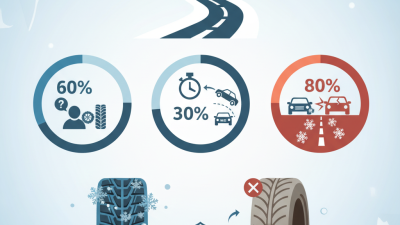
Winter performance tires play a crucial role in ensuring vehicle safety during icy and snowy conditions. According to the Tire Industry Association, over 60% of winter accidents can be attributed to inadequate tire performance. These specialized tires are designed with unique tread patterns and rubber compounds that enhance grip. They maintain flexibility in low temperatures, which standard tires struggle with.
A study conducted by the National Highway Traffic Safety Administration found that using winter tires can reduce stopping distances by up to 30% on snowy roads compared to all-season tires. This data underscores the importance of equipping your vehicle properly for winter. Proper selection not only affects traction but also impacts overall vehicle handling. The wrong tire choice can lead to skidding or even loss of control, especially in severe weather. It’s essential to assess your typical driving conditions and understand how winter tires can improve performance.
Moreover, improper tire maintenance can diminish their effectiveness. Pressure checks and regular inspections are critical. Neglecting these aspects can lead to underperformance, leaving drivers vulnerable in inclement weather. Winter tires are an investment in safety, but they require informed handling and ongoing care to deliver their full benefits.
Key Features to Look for in Winter Performance Tires
Choosing the right winter performance tires is crucial for safety and handling on icy roads. Here are key features to consider.
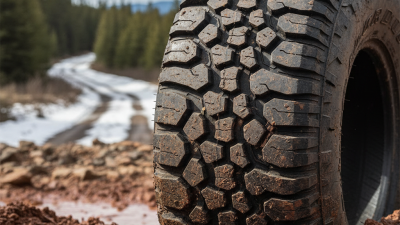
Tread design plays a significant role. Look for tires with a deep tread that can channel water and snow away. According to a report by the Tire Industry Association, tires with a zigzag pattern provided 20% better grip in snowy conditions. Additionally, the rubber compound should remain flexible in low temperatures. Softer compounds offer increased traction but may wear faster.
Not all tires are created equal. Some may perform well in snow but struggle on icy surfaces. A recent study found that tires labeled as "all-season" had a 30% longer stopping distance on ice compared to specialized winter tires. Remember to evaluate speed ratings. Tires designed for higher speeds may sacrifice traction on snow. Make sure to match these characteristics to your driving habits.
Tip: Regularly check your tire pressure. Cold temperatures can reduce tire pressure, affecting performance. Maintain correct levels for optimum safety. Reflect on your driving environment. If you frequently encounter severe winter conditions, consider investing in a dedicated set of winter tires. Balancing performance and safety should always be a priority.
Evaluating Tire Brands and Models for Winter Conditions
When evaluating tire brands for winter conditions, it's crucial to consider performance characteristics. Look for tires that excel in snow and ice. Many brands offer tires with advanced rubber compounds and tread designs that enhance grip. Deep grooves and unique patterns can divert slush and improve traction. However, not all designs are created equally. Some may wear out faster than others under certain conditions.
Dive into reviews and consumer feedback. Assessing real-world performance helps identify reliable tires. There are mixed opinions on various models. Some users praise grip, while others report increased road noise. It’s essential to weigh these insights carefully. Additionally, compare warranties and longevity claims. These factors indicate how well a tire will perform over time.
Lastly, consider the local climate. Tires suited for one region may falter in another. Those living in areas with heavy snowfall need specialized models. Do not rush the decision. Take time to research and reflect on your driving habits and environment. This careful evaluation will lead to a well-informed choice, enhancing safety during winter months.
Winter Performance Tires Comparison
Assessing Your Driving Style and Local Climate Needs
When choosing winter performance tires, consider your driving style. Are you an aggressive driver, or do you prefer a more relaxed pace? Aggressive drivers need tires that offer superior grip and handling. Look for options with a more aggressive tread pattern to enhance traction. If you drive cautiously, a more balanced tire may suit you better. These will provide adequate performance without sacrificing comfort.
Local climate plays a significant role as well. If you live in an area with heavy snowfall, select tires designed for deep snow and ice. They should have specialized compounds that remain flexible in cold temperatures. For milder winters, all-weather tires can be a sufficient choice. They offer versatility without the need for a complete seasonal change. Remember that not every tire will perform well in extreme conditions. It’s vital to understand your environment and adjust your choices accordingly.
Balancing these factors may seem overwhelming. You might feel tempted to compromise on certain aspects. Keep in mind that making informed choices enhances safety. Reflect on your habits and climate needs. This thoughtful approach leads to tire selections that truly meet your driving requirements.
How to Choose the Best Winter Performance Tires for Your Car? - Assessing Your Driving Style and Local Climate Needs
| Tire Type |
Ideal Temperature Range (°F) |
Driving Style |
Best for Conditions |
Tread Life (miles) |
| Studdable Tires |
-20 to 30 |
Aggressive |
Icy, Frozen Roads |
25,000 |
| Studless Tires |
-30 to 40 |
Moderate |
Snow, Slush |
30,000 |
| All-Weather Tires |
-10 to 50 |
Casual |
Mixed Conditions |
40,000 |
| Performance Winter Tires |
0 to 40 |
Sporty |
Wet, Dry and Light Snow |
30,000 |
Tips for Proper Installation and Maintenance of Winter Tires
Installing winter performance tires requires careful consideration. Proper installation is crucial for safety and performance. Before starting, gather the right tools: a jack, lug wrench, and tire pressure gauge.
Begin by ensuring your vehicle is on a flat surface. Loosen the lug nuts slightly before jacking up the car. Once raised, remove the wheel completely. It's vital to check the tire alignment and the condition of your brake pads while the wheels are off. Some might forget to inspect these details. They can affect tire performance.
After fitting the winter tires, ensure proper inflation according to the manufacturer’s specifications. The right pressure is key to maximizing performance and safety. Regularly check tire pressure, especially when temperatures drop. It’s common for tire pressure to fluctuate with temperature changes. Keeping a record of tire pressure can help you track changes. Remember, consistent maintenance is essential for your winter tires.