How to Choose the Best Winter Truck Tires for Your Needs?
Choosing the right winter truck tires is crucial for safety and performance. John Smith, a tire expert with over 20 years of experience, once stated, “The right winter tire can make all the difference in challenging conditions.” This highlights the importance of selecting the best options for your truck.
Winter truck tires are designed to handle snow and ice. They offer better grip, stability, and braking. When temperatures drop, not all tires perform well. Many drivers underestimate this factor. A poor choice could lead to accidents or excessive wear.
Think about how you use your truck. Do you drive in deep snow often? Consider tires with aggressive tread patterns. If you mostly drive on cleared roads, a different type may suffice. Ignoring these specifics can impact performance and safety significantly. Making informed choices protects you and your vehicle.
Understanding Winter Truck Tires: Types and Features
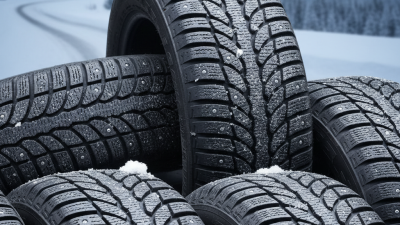
When selecting winter truck tires, understanding their types and features is crucial. Winter tires have a unique tread pattern designed for better traction in snow and ice. They feature deeper grooves and more biting edges than regular tires. This design enhances grip, making them essential for winter driving.
Siping is another important feature. It involves small cuts in the tread that provide additional grip on slick surfaces. The rubber compound used in winter tires remains flexible, even in freezing temperatures. This flexibility ensures better contact with the road. It is important, however, to check the tread depth regularly. If the tread wears down too much, the tires can lose effectiveness.
Consider your driving conditions too. Are you in a snowy region or just facing occasional ice? Studded tires may offer extra traction but can damage pavement. Non-studded options are quieter and more versatile. It's also worth noting that not all winter tires perform well. Researching and reading reviews can help, but personal experience with local conditions often provides the best insights.
Assessing Your Driving Conditions: Snow, Ice, and Cold Weather
Choosing winter truck tires demands careful consideration of driving conditions.
Snow, ice, and extreme cold play significant roles in your decision.
Each tire type offers different traction levels. In snowy regions, look for tires with deeper treads.
They dig into snow and provide better grip. On icy roads, tires designed with a specialized rubber compound can enhance performance.
This compound remains flexible even in extreme cold.
Consider the typical temperatures in your area. Below-freezing conditions require tires that can handle low temperatures without hardening.
Some tires excel at this, while others do not. It’s essential to research tire reviews and consult with experts.
They can provide insights based on real experiences. Heavy trucks may also need different tread patterns.
The right pattern can disperse water and provide stability.
Reflecting on your driving habits is crucial. Some drivers only traverse city roads, while others venture into rural areas.
Each environment presents unique challenges. You might have to compromise between durability and performance.
Think about how often you face harsh conditions. Gathering ongoing feedback from other truck drivers can be valuable.
Their experiences can guide your choice and help you avoid common mistakes.
Key Factors to Consider When Selecting Winter Tires
When selecting winter truck tires, it’s essential to focus on key factors. The tread design is vital. Look for deep grooves and unique patterns. These elements enhance grip on snowy and icy surfaces. A suitable tire should provide traction without sacrificing comfort. That balance can be tricky.
Another critical aspect is tire material. Opt for rubber compounds that remain pliable in cold conditions. Tires that stiffen can lead to reduced control. Pay attention to the tire's performance ratings as well. Ratings indicate the tire's effectiveness in ice and snow. Beware of overlooking the load index. It determines how much weight a tire can support, impacting safety and performance.
Lastly, consider your driving habits and conditions. City driving differs from highway travel in winter. Frequent stops and starts require different tire characteristics than long-distance driving. Also, reflect on your local climate. Some areas have heavier snowfall than others. That variability affects tire choice. Make a thoughtful decision based on your specific needs to ensure safety and performance this winter.
Reading Tire Specifications: What They Mean for Performance
When selecting winter truck tires, understanding tire specifications is crucial. Each specification conveys essential information about performance, safety, and handling in harsh conditions. Look for the tread pattern, as deeper grooves enhance traction on snow and ice. A softer rubber compound provides better grip, especially at low temperatures. These factors significantly impact your driving experience.
Tips for choosing the right tires include checking for the “Mountain Snowflake” symbol. This indicates the tire meets specific snow traction performance criteria. Be cautious of tires labeled as “all-season” for winter use; they might not perform well in severe winter conditions. Always assess your typical driving conditions. If you often drive on icy roads, prioritize tires specifically designed for extreme winter weather.
Pay attention to load ratings. Ensure the tires can handle the weight of your truck, especially when loaded. Higher load capacities indicate a more robust tire. Keep in mind that the right tire pressure also affects performance. Check it regularly during the winter months. Too low or too high pressure can lead to poor handling and increased wear. Choose wisely, and your tires will serve you well all winter long.
How to Choose the Best Winter Truck Tires for Your Needs?
This chart illustrates the performance metrics of different winter truck tires based on critical specifications like traction, durability, and fuel efficiency. Understanding these dimensions can help you make informed choices for optimal winter driving.
Maintaining Your Winter Tires for Safety and Longevity
Maintaining winter tires is crucial for safety and longevity. Regular inspections ensure they are in optimal condition. According to the Tire Industry Association, about 30% of drivers neglect this essential practice. Proper maintenance can extend the lifespan of tires and enhance vehicle performance.
Check tire pressure monthly. Cold weather can lower pressure, leading to decreased traction. The ideal pressure varies by vehicle, but most tires recommend maintaining around 30-35 PSI. Low pressure can cause uneven wear and reduce fuel efficiency. Monitoring tread depth is vital as well. The National Highway Traffic Safety Administration suggests using a penny test. If you can see Lincoln's head, it's time to replace your tires.
Rotate winter tires every 6,000 to 8,000 miles. Uneven wear can lead to dangerous driving conditions. Some drivers overlook this and suffer for it. Keeping tires properly stored when not in use is also important. Inappropriate storage can lead to deterioration and reduced performance. A dark, cool, and dry place is optimal for storing your tires. Tire care is a shared responsibility. By taking these steps, drivers can ensure a safer, more efficient winter driving experience.
How to Choose the Best Winter Truck Tires for Your Needs?
| Tire Type |
Tread Pattern |
Traction Performance |
Longevity (miles) |
Price Range ($) |
| Studdable Winter Tires |
Deep grooves & Stud receptacles |
Excellent on ice |
30,000 - 40,000 |
120 - 200 |
| Non-Studdable Winter Tires |
Wavy grooves & multiple biting edges |
Very good on snow |
40,000 - 50,000 |
100 - 180 |
| All-Weather Tires |
Moderate grooves & sipes |
Good on both snow and dry |
50,000 - 70,000 |
90 - 160 |
| Performance Winter Tires |
Directional tread with large channels |
Outstanding handling |
20,000 - 30,000 |
150 - 250 |
Maintaining Your Winter Tires for Safety and Longevity
| Maintenance Task |
Frequency |
Purpose |
Notes |
| Tire Pressure Check |
Monthly |
Ensure proper inflation |
Cold weather can lower pressure |
| Tread Depth Measurement |
Every 3 months |
Assess wear and safety |
Replace if below 4/32" for winter |
| Visual Inspection |
Before each trip |
Check for damages |
Look for cracks, bulges, or punctures |
| Rotation |
Every 5,000 - 8,000 miles |
Promote even tire wear |
Check vehicle manual for patterns |