How to Effectively Passivate Stainless Steel for Durability?
Passivating stainless steel is crucial for enhancing its longevity and performance. This process removes free iron and creates a protective oxide layer, which increases corrosion resistance. While stainless steel is known for its durability, it can still suffer from rust and surface contamination. Therefore, understanding how to effectively Passivate Stainless Steel is essential for industries relying on this material.
Improper passivation techniques can lead to disappointing results. Factors such as surface preparation and chemical concentrations play a significant role in the process. Neglecting these aspects may result in inadequate protection. It's important to follow best practices to ensure optimal results. Utilizing high-quality passivation solutions can make a difference in the final outcome.
Successful passivation requires attention to detail and careful execution. Overlooking even a minor step can compromise the integrity of the stainless steel. Regular assessment of the passivation method is also vital. This allows for continuous improvement and adaptation, ensuring maximum durability of the stainless steel in various applications.
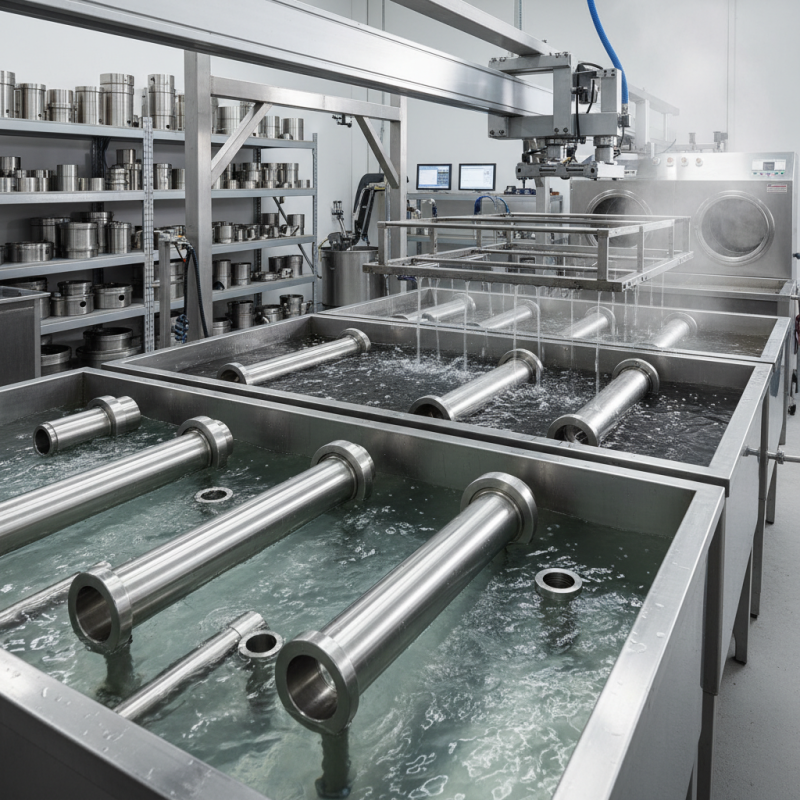
Understanding the Role of Passivation in Stainless Steel Durability
Passivation is a vital process for enhancing the durability of stainless steel. It helps form a protective oxide layer on the surface. This layer shields the metal from corrosion and environmental factors. The effectiveness of passivation depends on several factors, including chemical composition, surface finish, and treatment method. Proper attention to these elements can lead to better performance in harsh environments.
When passivating stainless steel, different chemicals can be used. Citric acid and nitric acid are common choices. Each chemical interacts with the metal differently, affecting the quality of the oxide layer formed. It’s essential to choose the appropriate method based on the specific application of the stainless steel. Improper passivation can lead to inadequate protection, resulting in rust or surface discoloration over time.
While overall effective, the passivation process is not foolproof. Regular maintenance is necessary to ensure long-term durability. Factors like humidity and exposure to chemicals may compromise the oxide layer. This can lead to pitting and corrosion. Understanding the limitations of passivation helps in selecting the right approach and preparing for possible challenges in the future.
Effect of Passivation on Stainless Steel Durability
This chart demonstrates the effect of passivation on the corrosion resistance of stainless steel. Before passivation, stainless steel offers about 50 hours of corrosion resistance. After passivation, the resistance significantly increases to around 150 hours, highlighting the importance of the passivation process in enhancing material durability.
Key Steps in the Passivation Process for Stainless Steel
Passivation is essential in enhancing the durability of stainless steel. It involves creating a protective oxide layer on the surface. Following key steps in this process can ensure optimal outcomes.
The first step is cleaning the stainless steel thoroughly. This removes contaminants like oils and dirt. A study by the International Stainless Steel Forum highlights that impurities can prevent effective passivation. Chemical cleaning agents are often employed, as they are particularly effective in preparing the surface. After cleaning, rinsing with deionized water is critical. Residual chemicals can affect the passivation layer's integrity.
Next, apply a suitable passivation solution. Common materials used include citric or nitric acid. Data shows that citric acid can enhance the oxide layer's formation more effectively than others. The immersion time typically ranges from 20 to 30 minutes. However, specific conditions may extend this period. During this stage, maintaining the correct temperature is crucial. Too high a temperature can lead to unwanted reactions.
After the passivation step, thorough rinsing with deionized water is necessary again. This step prevents recontamination, which can compromise the protective layer. Drying is often overlooked, yet it plays a vital role. Even small water spots can lead to pitting. Therefore, using clean, dry air is recommended. Each of these steps must be executed with diligence to avoid weakening the passivation process.
Chemical Agents Commonly Used for Passivating Stainless Steel
Passivation is essential for enhancing the longevity of stainless steel. Chemical agents play a crucial role in this process. Commonly used agents include citric acid, nitric acid, and phosphoric acid. These acids effectively remove contaminants and promote the formation of a passive oxide layer. A study indicates that citric acid can achieve over 90% removal of iron particles, enhancing corrosion resistance significantly.
Nitric acid is another powerful agent. It not only cleans but also helps in creating a robust passive film. Research shows that stainless steel subjected to nitric acid treatment exhibits lower corrosion rates in saline environments. Phosphoric acid, while not as widely used, can also improve the surface quality by promoting adherence of the passive layer.
However, the choice of agent depends on the type of stainless steel and the desired finish. Inadequate cleaning prior to passivation can lead to poor results. Some stainless steel grades may require more than one method to achieve optimal passivation. Industry data suggests that a combination of citric and nitric acids may yield the best results for certain applications.
Industry Standards for Passivation: ASTM A967 vs ASTM A380
Passivating stainless steel is crucial for enhancing its corrosion resistance. Two leading industry standards for this process are ASTM A967 and ASTM A380. Both specifications outline methods for removing free iron and forming a protective oxide layer. However, they differ in specifics regarding the solutions used and post-treatment rinsing methods. ASTM A967 offers a wider range of acceptable chemical treatments, while ASTM A380 focuses on specific procedures for different grades of stainless steel.
Professionals often lean towards ASTM A967 due to its versatility. It provides a comprehensive overview of the passivation process, including immersion times and solution concentrations. Contrarily, ASTM A380 tends to be more stringent. This can be beneficial for industries where uniformity is crucial. Manufacturers must evaluate which standard best suits their needs based on their applications.
Tip: Always test your stainless steel samples prior to full-scale passivation to ensure desired outcomes. Regular audits of your process can help maintain compliance with relevant standards. Ensuring personnel are properly trained in these standards can prevent mistakes. Remember, not all stainless steel is created equal. The grade will influence the effectiveness of your passivation efforts.
Evaluating the Effectiveness of Passivation Treatments in Field Applications
When evaluating the effectiveness of passivation treatments in field applications, it’s crucial to understand the different methods available. Passivation improves stainless steel's resistance to corrosion. However, the effectiveness of these treatments can vary. Environmental factors like humidity and exposure to chemicals play a significant role.
Some methods deliver strong protective layers, yet others may fail in harsh conditions. It's vital to perform regular inspections post-treatment. Look for signs of corrosion or wear. This helps in identifying the limitations of the chosen passivation method.
Tips for enhancing passivation effectiveness include thorough surface cleaning before treatment. Use acids to remove contaminants. After passivation, consider a secondary process, like coating, for additional protection. Finally, training staff on maintenance practices is essential, as improper handling can undermine effectiveness. Regular evaluations and updates to your passivation process will ensure the longevity of stainless steel components in the field.
How to Effectively Passivate Stainless Steel for Durability? - Evaluating the Effectiveness of Passivation Treatments in Field Applications
| Passivation Method | Chemical Composition | Effectiveness (%) | Field Application Type | Duration of Protection (Years) |
| citric acid passivation | Citric acid solution (5-10%) | 85 | Food Processing Equipment | 5 |
| nitric acid passivation | Nitric acid solution (20-30%) | 90 | Marine Applications | 8 |
| passivation with passivating gel | Passivating gel containing phosphoric acid | 80 | Architectural Cladding | 6 |
| electrolytic passivation | Electrolytic bath with sulfuric acid | 95 | Chemical Processing | 10 |
| alkaline passivation | Alkaline solution with sodium hydroxide | 75 | Automotive Components | 4 |