Choosing all season tires in snow begins with a realistic question: what kind of winter will they face? A light dusting on cleared city roads is very different from deep snow, black ice, or repeated temperatures below 7°C. The right choice depends on snowfall, driving distance, road maintenance, vehicle weight, and your tolerance for reduced grip.
TJ Campbell, Tire Rack’s Tire Information and Testing Manager, explains the compromise clearly: “All-season tires are designed to provide acceptable performance in a wide range of conditions, but they are not designed for severe winter conditions.” That distinction matters. A tire can carry the “all-season” label and still feel nervous on a frozen corner. Look for the Three-Peak Mountain Snowflake symbol, not only the M+S marking. The symbol indicates testing for stronger snow performance, although it does not guarantee perfect traction.
This guide explores how to choose all season tires in snow without trusting marketing alone. We will examine tread patterns, rubber flexibility, braking behavior, road temperature, and real-world testing results. Small details matter, such as whether the tread can clear wet snow or whether the tire remains predictable during a slow turn.
There is no flawless option. I have seen drivers overestimate all-season tires after one easy winter, then struggle during the first icy morning. That experience is worth remembering. In mild climates, a quality all-season tire may be practical. In harsher regions, dedicated winter tires can provide a safer and more consistent margin.
How to Choose All Season Tires in Snow?
All-season tires can manage light snow, but their performance depends on temperature, tread design, and road conditions. In cold weather, ordinary rubber can stiffen and lose grip. This reduces braking control on packed snow and icy pavement. Look for the three-peak mountain snowflake symbol when regular winter driving is expected. That marking indicates tested performance in severe snow, not unlimited winter ability.
During a test drive, notice how the vehicle starts, turns, and stops on a quiet, snow-covered road. Gentle acceleration should feel predictable, without excessive wheelspin. Steering should remain responsive when you change lanes slowly. All-wheel drive may improve forward movement, but it cannot shorten braking distance. Keep that distinction clear. Snow-covered roads can hide ice, slush, or uneven surfaces. Tire pressure also matters, since cold air lowers pressure overnight.
Check tread depth before the season begins. Shallow grooves cannot evacuate slush effectively, even when the tire is legally usable. Inspect for uneven wear, cracks, and damaged sidewalls. I would also compare independent winter testing, not only advertisements or showroom claims. Still, test results may not match your local roads. A mild coastal winter differs greatly from steep, untreated mountain streets. I once underestimated packed snow after a warm afternoon. The surface looked wet, but braking felt delayed. That mistake deserves attention. Choose tires for your coldest regular conditions, driving habits, and tolerance for reduced traction.

Tread depth is an important factor when evaluating all-season tires for snow. The reference values below use thirty-seconds of an inch, a common tire-tread measurement.
A new passenger tire commonly has about 10/32 inch of tread, although specifications vary. Around 6/32 inch is widely used as a practical snow-performance inspection point, while 2/32 inch is a common U.S. legal minimum. For frequent or severe snow, look for the Three-Peak Mountain Snowflake symbol rather than relying on the “M+S” marking alone. These tread-depth references are guidance, not a substitute for local laws or the tire manufacturer’s specifications.
Choosing all-season tires for snow starts with your local climate, not the tire label. If winter brings occasional flurries, treated roads, and temperatures usually above freezing, quality all-season tires may provide adequate control. Frequent snow, packed ice, or temperatures below 7°C require closer attention. Look for the Three-Peak Mountain Snowflake symbol, which indicates tested performance in severe snow conditions. It does not make a tire equal to a dedicated winter tire.
Your driving habits matter just as much. A short urban commute on plowed streets is different from a daily trip across steep rural roads. Consider night driving, emergency travel, highway speed, and whether your vehicle carries passengers or equipment. I once underestimated a familiar hill after light snow. The road looked clear, but polished ice covered the shaded section. All-season tires could not overcome that surface.
Inspect the roads you actually use. Loose snow needs open tread grooves, while wet slush demands reliable water evacuation. Check tread depth before winter; worn tread loses snow grip quickly. Keep tire pressure at the vehicle maker’s cold-pressure recommendation, since cold air lowers pressure. Do not reduce pressure for extra traction. Check again after sharp temperature changes. Traction control helps manage wheel spin, but it cannot create grip on ice. My own judgment is not always consistent, so a tire inspection from a qualified technician can expose damage, uneven wear, or aging that I might miss.
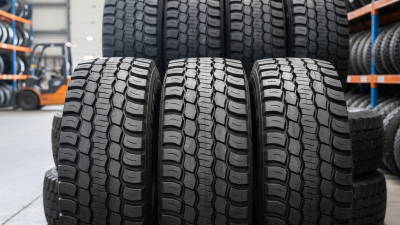
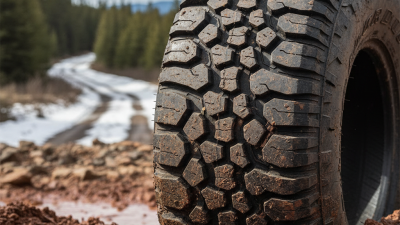
Tread pattern is the first detail I inspect. Look for many biting edges, open shoulder grooves, and deep circumferential channels. These features help the tire clear slush and compacted snow. Narrower grooves can pack tightly and reduce grip.
The U.S. Tire Manufacturers Association explains that siping creates additional edges for traction on snow and ice. However, more sipes do not guarantee better handling. Excessive movement between tread blocks can make steering feel vague on dry roads. I have noticed this during cold morning drives.
Rubber compound matters when temperatures fall. A flexible compound can maintain contact with rough, frozen pavement. Many conventional all-season compounds stiffen near 7°C, reducing their ability to conform to the road.
Check the sidewall for the Three-Peak Mountain Snowflake symbol, not only the M+S marking. The Rubber Association of Canada states that this symbol requires performance at least 10% above a standardized reference tire in packed-snow testing. That rating is useful, but it is not a promise of ice performance.
AAA’s 2019 winter-driving evaluation found winter tires stopped 44% shorter on snow than all-season tires. This gap can matter at a crosswalk or downhill turn. Still, test conditions vary, and real roads are messier.
Examine tread depth, age, and pressure before purchase. A highly rated tire cannot compensate for worn tread or an overloaded vehicle.
How to Choose All Season Tires in Snow?
All-season tires can manage light snow, but their fit matters as much as their tread. Start with the tire size listed on your vehicle’s door placard or owner’s manual. A different width or diameter may change steering response, clearance, and traction. Do not rely on a tire that “looks close enough.”
Check load capacity next. Each tire must safely support its share of the vehicle, passengers, and cargo. A family car carrying luggage can approach its limit quickly. Choose a tire with equal or greater load capacity than the original specification. Underinflation reduces control on snowy roads. Check pressure when the tires are cold, especially after a sharp temperature drop.
Tips: Match the required size, load index, and speed rating. The speed rating describes heat resistance, not winter grip. A higher rating cannot replace proper snow performance. Look for the severe-snow symbol when regular winter conditions are common. Still, this symbol does not guarantee traction on ice.
I once underestimated cold pressure changes before a mountain drive. The steering felt vague on packed snow. That mistake was avoidable. Recheck pressure monthly and before long trips. Rotate tires as recommended, and replace them when tread or age reduces confidence. If the vehicle carries heavy tools or frequent passengers, ask a qualified tire professional to verify the final load choice.
Choosing all-season tires for snow requires more than reading a snow rating. I check tread depth, sidewalls, manufacturing date, and pressure before winter use. A tire can look healthy yet lose grip when rubber hardens in low temperatures. During a short test drive, I brake gently on a quiet, safe road. Steering should feel predictable, not vague. Still, one drive cannot prove winter performance.
Safety depends on the whole vehicle. Install four matching tires, not two, to keep braking and cornering balanced. Follow the vehicle maker’s load and pressure specifications. Recheck pressure after cold nights. Professional installation should include wheel torque, valve inspection, and alignment checks. Improper torque can damage components or loosen a wheel. Small details matter. Snow-covered roads may hide potholes, so inspect the tread after difficult trips.
All-season tires may suit occasional light snow, especially where roads are cleared quickly. They are not a substitute for winter tires in frequent ice, deep snow, or sustained freezing weather. Watch local forecasts and your driving route, not only the calendar. Replace tires when tread approaches the legal limit, damage appears, or braking worsens. I sometimes delay replacement to save money, but that decision deserves honest review. Safer timing may be before winter arrives, when fitting services are less crowded.
| Evaluation Area | What to Check | Reliable Guidance | Safety Meaning | Recommended Action |
|---|---|---|---|---|
| Snow Capability | Severe-snow certification | Look for the Three-Peak Mountain Snowflake symbol on the tire sidewall. It indicates that the tire has passed a defined snow-traction performance test. | Better snow suitability | Prefer this marking when regular snow, steep roads, or winter travel is expected. It does not make an all-season tire equal to a dedicated winter tire in every condition. |
| Snow Capability | M+S marking | M+S means Mud and Snow, but the marking alone does not represent the same standardized severe-snow performance test as the Three-Peak Mountain Snowflake symbol. | Limited evidence | Do not select a tire based only on M+S lettering if dependable snow traction is a priority. |
| Winter Climate | Typical temperature and precipitation | All-season tires are designed as a compromise for varied conditions. Dedicated winter tires generally remain more flexible and provide more consistent traction in prolonged freezing temperatures and packed snow. | Depends on climate | All-season tires may be reasonable for occasional light snow and mostly clear roads. Consider winter tires for frequent snow, ice, or sustained freezing conditions. |
| Tread Condition | Remaining tread depth | Check tread depth across the tire, not just in one location. The commonly cited legal replacement limit in the United States is 2/32 inch, but legal limits vary by jurisdiction. | Replace at or near limit | Replace before reaching the legal minimum when winter traction matters. Shallow tread reduces the ability to clear water and loose snow. |
| Tread Condition | Wear pattern | Uneven wear, cupping, shoulder wear, or center wear can indicate incorrect inflation, misalignment, worn suspension parts, or improper rotation. | Potential handling risk | Identify and correct the underlying mechanical or inflation problem before installing replacement tires. |
| Age and Damage | Cracks, bulges, punctures, and age | Inspect the sidewalls and tread for cracks, bulges, exposed cords, cuts, or repeated air loss. Tire age should be determined from the date code and evaluated with condition and service history. | Safety concern | Remove a tire with structural damage from service. Seek a qualified inspection for older tires, even when tread appears adequate. |
| Vehicle Compatibility | Size, load, and speed ratings | Match the vehicle manufacturer's specified tire size, load index, speed rating, construction, and approved wheel requirements. | Critical fitment item | Use the vehicle placard and owner's manual as the primary references. Do not assume that a physically fitting tire is an approved or safe replacement. |
| Installation | Mounting position | For vehicles using four tires of the same type, installing a matched set of four helps preserve balanced braking and handling. If only two tires are replaced, many tire-safety guidelines recommend placing the newer tires on the rear axle. | Improves stability | Follow the vehicle and tire manufacturer's fitment guidance, especially for all-wheel-drive and four-wheel-drive vehicles. |
| Installation | Inflation pressure | Use the cold inflation pressure shown on the vehicle placard or in the owner's manual, not the maximum pressure molded on the tire sidewall. | Supports control | Check pressure when tires are cold and recheck as ambient temperature changes. Underinflation can reduce handling precision and increase heat buildup. |
| Installation | Rotation and balancing | Rotate tires according to the vehicle and tire manufacturer's schedule. Balance tires after installation or whenever vibration occurs. | Promotes even wear | Have the alignment checked if the vehicle pulls, the steering wheel is off-center, or irregular wear returns after rotation. |
| Driving Conditions | Braking and following distance | Snow, ice, and cold wet pavement reduce available grip for every tire type. Electronic stability and traction systems cannot create additional tire traction. | Higher stopping risk | Reduce speed, increase following distance, brake smoothly, and avoid abrupt steering or acceleration. |
| Seasonal Replacement | When to switch to winter tires | A dedicated winter set is more appropriate when snow and ice are frequent, roads remain covered, or temperatures stay near freezing for extended periods. | Best for severe winter use | Install winter tires before the first major storm and return to all-season tires after winter conditions have consistently ended. |
| Seasonal Replacement | When all-season tires can remain installed | They may remain suitable when snowfall is occasional, roads are promptly cleared, driving is mostly on treated pavement, and the tires have adequate tread and no damage. | Condition-dependent | Review the choice if commute routes, elevation, weather frequency, or driving expectations change. |
| Replacement Decision | Replace versus keep | Replacement is warranted by damage, excessive age or deterioration, inadequate tread, persistent uneven wear, incorrect fitment, or performance that no longer matches driving conditions. | Do not delay when unsafe | Replace the complete axle pair or full set as required by the vehicle's drivetrain and the manufacturer's recommendations. |
Reignite your passion for driving with Yokohama tires and experience the superior performance you deserve.