Why Are Quality Automotive Tires Essential for Safety?
Quality automotive tires play a critical role in vehicle safety. They are the only contact point between your vehicle and the road. Choosing the right tires can determine your car's performance in various conditions. Worn-out or low-quality tires can lead to accidents and increase stopping distances.
When driving in rain or snow, quality automotive tires provide the traction necessary to maintain control. However, not all tires perform equally under different conditions. Many drivers overlook the importance of proper tire maintenance. Regular checks on tire pressure, tread depth, and alignment are crucial. Neglecting these aspects could put drivers and passengers at risk.
The market is filled with tire options, but not all are reliable. It’s essential to understand the specifications and ratings. Investing in trusted brands offers peace of mind. Tires that lack durability and performance can be deceiving. Sometimes, the cheapest option leads to the greatest risk. Quality automotive tires are not merely an option; they are a necessity for safe driving.
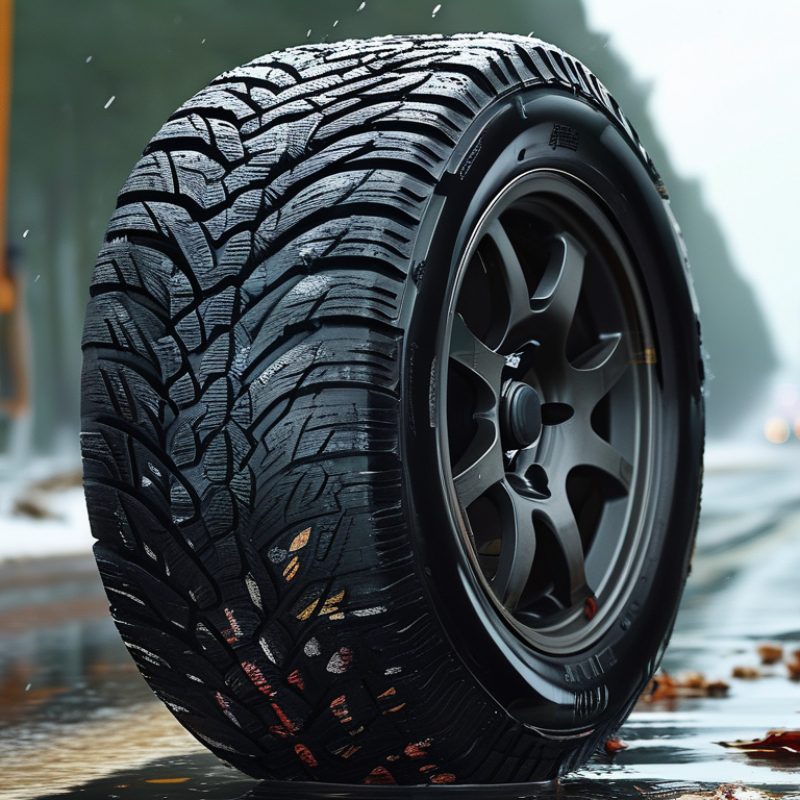
The Role of Tires in Vehicle Safety
Tires are often overlooked when discussing vehicle safety. They are the only contact point between the vehicle and the road. Quality tires impact traction, handling, and braking. Worn or improperly inflated tires increase the risk of accidents. This is why understanding their role is crucial for all drivers.
When selecting tires, consider their tread depth and composition. Adequate tread provides essential grip, especially in wet conditions. Regularly check your tire pressure, as it affects stability and fuel efficiency. Under-inflated tires wear faster and compromise safety.
Tips: Rotate your tires every 5,000 to 7,500 miles. This promotes even wear and extends tire life. Keep in mind that seasonal changes can affect your tire performance. Investing in quality tires is a reflection of responsibility as a driver. Remember, neglecting your tires can have serious consequences. Reflect on your vehicle's needs and prioritize safety.
Understanding Tire Construction and Materials
Tire construction and materials play a critical role in automotive safety. The rubber compounds and tread designs affect traction, handling, and durability. Quality tires endure varying road conditions and weather, ensuring driver control. Understanding the elements of tire construction enhances your selection process significantly.
When considering tire quality, focus on the tread pattern and depth. Deeper treads offer better grip in wet conditions. Look for tires made with advanced rubber compounds to improve wear resistance. These choices advocate for safer travel.
Tip: Regularly inspect tire pressure. Underinflated tires can increase braking distance and decrease fuel efficiency. Maintain the correct pressure for optimal performance.
Another factor is sidewall strength. This aspect affects the tire's ability to withstand impacts and prevent blowouts. Lightweight materials can enhance performance but might compromise durability. Weigh your options carefully to avoid potential pitfalls.
Tip: Rotate your tires every 5,000 to 8,000 miles. This practice encourages even wear, prolonging their lifespan. It’s a simple step towards safer driving.
How Tire Quality Affects Traction and Handling
Tire quality plays a crucial role in vehicle safety, particularly regarding traction and handling. Studies have shown that high-quality tires can reduce stopping distances in wet conditions by up to 30%. Poor tire quality can significantly compromise grip, especially during hard braking or sharp turns. In fact, the National Highway Traffic Safety Administration reports that under-inflated tires increase the risk of losing control.
When tires are well-constructed, they provide optimal traction. This is essential for safe cornering, especially on wet or icy roads. Tires with deeper tread patterns enhance grip by channeling water away, reducing the chance of hydroplaning. A study from the Tire Rack found that tires with a tread depth of 4/32 inches can lose up to 30% of their wet performance compared to new tires.
**Tip:** Regularly check your tire pressure and tread depth. Keeping tires properly inflated enhances handling and extends their life.
Inadequate quality can lead to uneven wear and reduced performance, causing safety issues. Research indicates that over 80% of motorists neglect tire maintenance, leading to potential hazards on the road.
**Tip:** Rotate your tires every 5,000 to 7,500 miles. This practice promotes even wear and optimizes performance.
Maintaining tire quality is essential. Safe driving starts with reliable tires. The consequences of ignoring tire care can be severe.
Why Are Quality Automotive Tires Essential for Safety? - How Tire Quality Affects Traction and Handling
| Tire Quality Aspect |
Impact on Safety |
Effect on Traction |
Influence on Handling |
| Tread Depth |
Improves hydroplaning resistance |
Enhances grip on wet surfaces |
Improves cornering stability |
| Rubber Compound |
Provides better heat resistance |
Increases friction levels |
Improves steering response |
| Tire Pressure |
Maintains optimal traction |
Ensures even contact with the road |
Enhances vehicle stability |
| Tire Age |
Reduces the risk of blowouts |
Affects grip capabilities |
Impacts overall vehicle performance |
The Importance of Regular Tire Maintenance
Tires are a crucial aspect of vehicle safety, but regular maintenance is often overlooked. According to the National Highway Traffic Safety Administration (NHTSA), improper tire maintenance contributes to around 11,000 crashes annually. Maintaining tires can prevent these incidents and enhance overall vehicle performance.
Regular checks on tire pressure are vital. The Department of Energy states that under-inflated tires can decrease fuel efficiency by 0.4% for every psi drop. Check your tire pressure monthly, especially before long trips. Consider investing in a reliable pressure gauge to ensure accuracy.
Tread wear is also significant. The U.S. Tire Manufacturers Association recommends replacing tires when tread depth reaches 2/32 of an inch. Use the penny test to check tread depth. Simply insert a penny into the tread with Lincoln's head facing down. If you can see all of his head, it's time for new tires.
Proper alignment and rotation prolong tire life. Tires should generally be rotated every 5,000 to 8,000 miles to ensure even wear. Regular alignment checks can prevent uneven wear and enhance safety.
It’s essential to stay vigilant. Regular maintenance requires time and attention, but the payoff is safety on the road.
Impact of Tire Age and Wear on Driving Safety
The age and wear of automotive tires significantly impact driving safety. According to the National Highway Traffic Safety Administration (NHTSA), tire-related accidents account for over 10,000 fatalities annually in the U.S. Due to factors like weather conditions and driving habits, tires degrade over time, even if they appear intact on the surface.
Studies indicate that tires older than six years can lose optimal performance. A worn tread reduces traction, especially in wet or icy conditions. The Rubber Manufacturers Association reports that 50% of drivers overlook the recommended tire pressure. This negligence enhances the risk of blowouts and loss of control.
Regular tire inspections can prevent serious incidents. However, many drivers remain unaware of the hidden dangers. This situation calls for proactive measures, such as checking tread depth and monitoring age. Awareness is key to keeping vehicles safe on the road. Investing time in tire maintenance can save lives.
Impact of Tire Age and Wear on Driving Safety
As tires age and wear, the risk of crashes increases significantly. The data presented show how the risk of crash increases with the age and wear of tires. Investing in quality tires is crucial for maintaining safety on the road.