Do Snow Tires Really Improve Winter Driving Safety?
Driving in winter can be treacherous. Snow makes roads slick and visibility poor. Many drivers wonder about snow tires. Do they really improve safety?
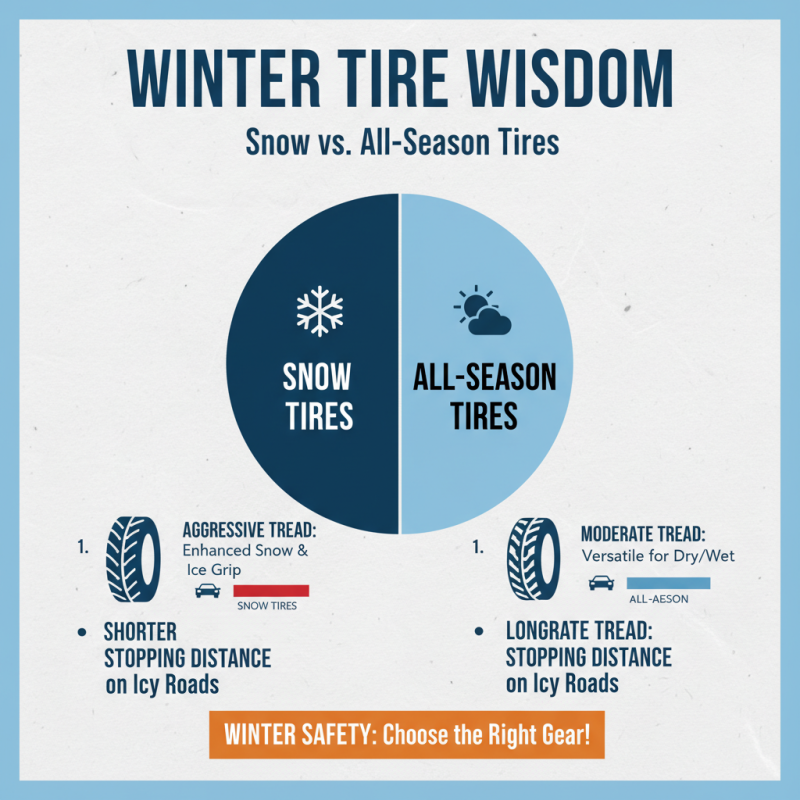
Snow tires are designed for cold conditions. Their unique tread patterns offer better traction. This can lead to shorter stopping distances. However, some drivers remain skeptical. Do these tires guarantee safety? Many factors impact winter driving. Driver behavior, weather conditions, and road maintenance all play crucial roles.
The benefits of snow tires are evident in countless studies. They provide better grip in icy conditions. Yet, not every driver prioritizes this upgrade. Some think all-season tires will suffice. In reality, the effectiveness of snow tires varies. It may depend on personal driving experiences and local climates. Understanding how snow tires work can lead to safer choices on the road.
Understanding the Importance of Winter Tires for Driving Safety
Understanding the importance of winter tires is essential for safe driving in cold weather. Standard tires often struggle on icy or snowy roads. Winter tires feature unique tread patterns and softer rubber compounds. These designs enhance grip and allow for better handling in extreme conditions.
Driving with winter tires can reduce the risk of accidents. They help provide traction when starting, stopping, and turning. On the other hand, many drivers overlook their significance. Some think all-season tires are sufficient, but their performance diminishes in freezing temperatures. It’s sometimes hard to accept this truth, especially if one has driven in winter without issues.
Despite the benefits, some drivers may hesitate due to cost concerns. Investing in a second set of tires can seem daunting. However, safety should be a priority. Skidding on icy roads is not worth the risk. The right tires can make a difference, shaping a safer drive during winter months. It’s time to reconsider tire choices for the sake of safety.
Do Snow Tires Really Improve Winter Driving Safety?
| Tire Type |
Average Stopping Distance (ft) |
Traction Score (1-10) |
Performance in Snow (Yes/No) |
Performance on Ice (Yes/No) |
| All-Season Tires |
150 |
5 |
No |
No |
| Winter Tires |
120 |
9 |
Yes |
Yes |
| Studded Winter Tires |
110 |
10 |
Yes |
Yes |
| Performance All-Season Tires |
130 |
7 |
No |
No |
How Snow Tires Are Designed for Enhanced Grip on Ice and Snow
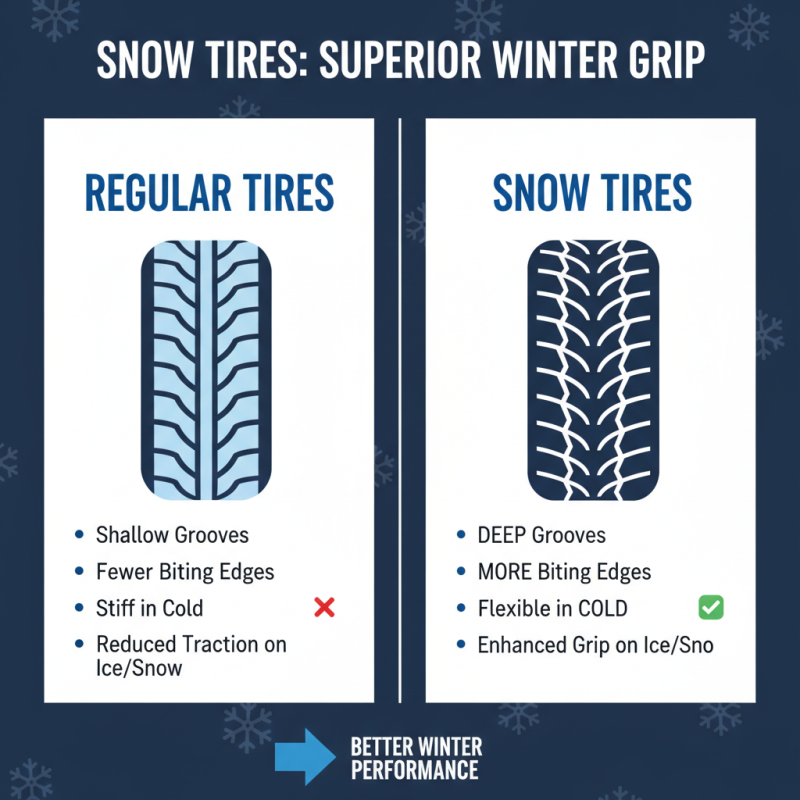
Snow tires are specifically designed to provide better grip on icy and snowy roads. Their unique tread patterns feature deeper grooves and more biting edges than regular tires. This design helps channel slush and snow away, allowing for improved contact with the road. The rubber compounds remain flexible even in freezing temperatures, enhancing traction.
In a way, snow tires showcase the importance of technology in safety. However, not all drivers fully understand their benefits. Some still opt for all-season tires, believing they are sufficient. While all-season tires can perform adequately in light winter conditions, they may falter during severe weather. The difference in grip can be critical during sudden stops or turns.
Many drivers have shared stories of near misses while driving on standard tires in winter. These accounts highlight the risks of underestimating winter conditions. Snow tires are far from perfect, but their design can significantly enhance safety. Yet, the choice to use them often comes down to personal experience and awareness of winter driving dangers.
Comparing Snow Tires with All-Season Tires: Performance Metrics
When winter hits, drivers face challenging conditions. Snow tires and all-season tires have different performance metrics that can affect safety. Snow tires are designed for icy, snowy roads. Their unique tread patterns enhance grip. This can significantly reduce stopping distances compared to all-season tires.
On the other hand, all-season tires perform well in moderate conditions. They may not grip as effectively on ice or deep snow. Many assume all-season tires provide equal performance in winter, but this isn't always true. Sometimes, they fail to handle the unexpected. Drivers may struggle with skidding, especially during sudden stops.
**Tip:** Check your tire tread regularly. If it’s worn down, replace it. Consider switching to snow tires if your area experiences heavy snowfall.
Additionally, understanding the climate where you live is crucial. In milder regions, all-season tires may suffice. But in places with frequent winter storms, snow tires are often safer. The difference in maneuverability can be striking, impacting your confidence on the road.
**Tip:** Test drive both types in safe conditions. This practical experience may help clarify which tire performs better for your needs. Always choose based on your driving environment, not just on general recommendations.
Real-World Testing: Snow Tires and Their Impact on Driving Conditions
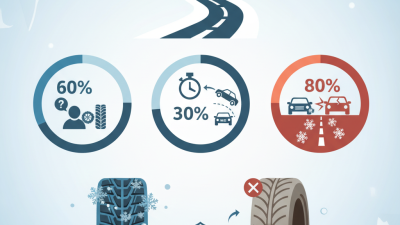
Winter driving conditions can be harsh. Snow and ice create dangerous roads. In real-world tests, vehicles equipped with snow tires showed significant improvements in handling. A study by the National Highway Traffic Safety Administration (NHTSA) indicated that snow tires can reduce stopping distances by up to 30% compared to all-season tires. This data highlights the real benefits that snow tires can offer.
Drivers often underestimate the impact of tire choice. In various tests, vehicles on snow tires maintained grip while those on all-season tires struggled. One test in Minnesota demonstrated that cars with snow tires were able to accelerate faster and navigate corners with greater control. However, not all drivers heed this advice. Many still opt for all-season tires, thinking they can manage safely.
Tire tread patterns also play a role in safety. Snow tires feature deeper grooves designed to dig into snow and ice. A recent study noted that improper tire maintenance can negate the benefits of snow tires. Drivers must check tire pressure regularly. Inconsistent maintenance leads to reduced performance. While snow tires can significantly enhance winter safety, constant care is crucial for maximizing their potential.
Factors Influencing the Effectiveness of Snow Tires in Winter Weather
Winter driving can be daunting, especially in snowy conditions. One key factor is the type of tires on your vehicle. Snow tires, also known as winter tires, are designed with unique rubber compounds. These compounds stay pliable in cold weather, improving grip. The tread patterns are deeper and more aggressive, helping to channel snow and slush away from the tire surface. This design allows for better traction.
However, not all snow tires are equal. Several factors influence their effectiveness. Tire age plays a critical role. Older tires may harden and lose grip, even if they’re labeled for winter use. Additionally, driving habits matter. Aggressive driving can negate the benefits of snow tires. They can’t perform miracles; cautious driving is essential for safety.
Weather conditions also impact performance. Fresh snow offers different challenges compared to icy roads. It’s crucial to consider local conditions. Even with good snow tires, black ice can be deceptive and dangerous. It's important to still be vigilant and adjust driving style based on the situation. Relying solely on equipment can lead to overconfidence.