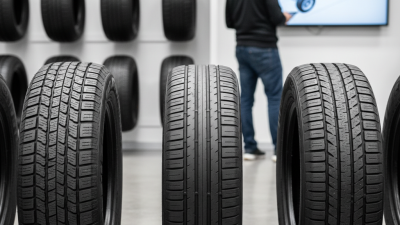
Why is Tire Size Important for Your Vehicle Performance?
Understanding the importance of tire size is crucial for vehicle performance. The right tire size affects handling, fuel efficiency, and overall safety. According to the Tire Industry Association, improper tire size can lead to increased stopping distances, affecting driver safety. It can also result in premature tire wear, costing consumers more in replacements.
Research shows that vehicles equipped with tires that fit correctly can improve fuel economy by up to 3%. This is particularly significant, as rising fuel prices impact most drivers. In contrast, oversized or undersized tires can compromise stability and traction, increasing the risk of accidents. The National Highway Traffic Safety Administration reported that improper tire size may contribute to a notable percentage of vehicle-related incidents.
Selecting the right tire size demands attention. While many drivers rely on manufacturer specifications, personal driving habits also play a role. Evaluating your needs against the recommended tire sizes can minimize risks. Ignoring these considerations may lead to inefficiencies, affecting both your wallet and safety on the road. Proper research is essential to avoid making costly mistakes in tire selection.
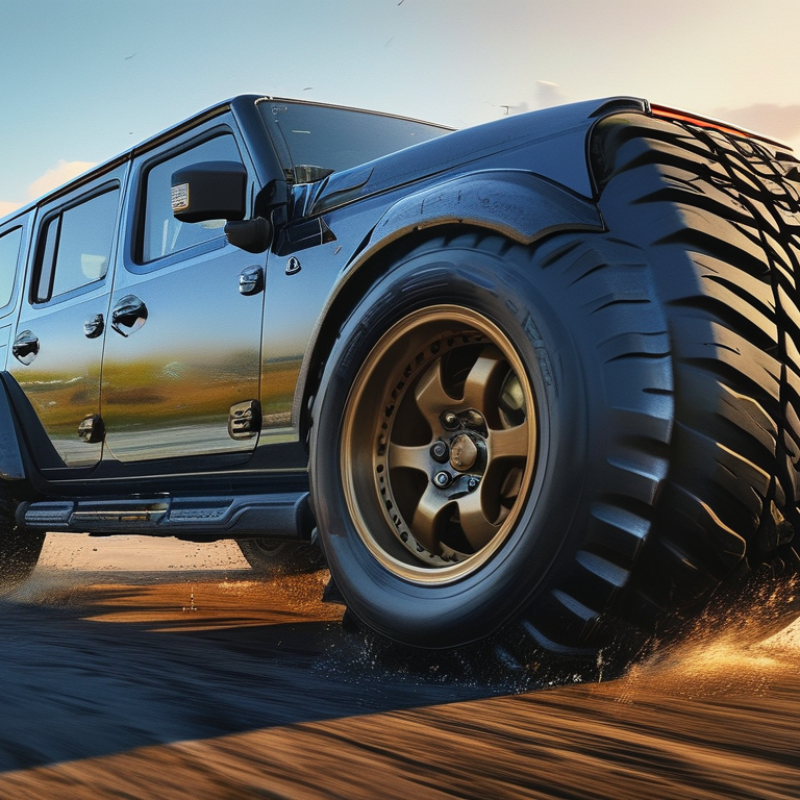
Understanding Tire Size and Its Impact on Vehicle Dynamics
Tire size plays a crucial role in vehicle dynamics. It affects speed, handling, and overall performance. For instance, a study from the Tire Industry Association indicates that the wrong tire size can decrease fuel efficiency by as much as 3%. This happens because improper tire dimensions alter the vehicle's weight distribution and increase rolling resistance.
Selecting the right tire size enhances cornering stability. Wider tires provide a larger contact patch, improving grip during sharp turns. However, they may also lead to a harsher ride due to less sidewall flex. A report from the American Society of Testing and Materials highlights that a tire's aspect ratio influences ride quality and handling precision. Lower aspect ratios enhance responsiveness but can transmit more road imperfections into the cabin.
When considering tire size, reflect on your driving habits. If you frequently navigate city streets, a narrower tire may suit your needs better. For off-road enthusiasts, thicker tires are essential for traction. Keeping tire pressure in check is also vital. Proper inflation ensures tires perform optimally, leading to safer driving experiences. Always consult a tire specialist for tailored advice based on your vehicle type and driving conditions.
The Relationship Between Tire Size and Fuel Efficiency
Tire size significantly impacts fuel efficiency, a crucial aspect for vehicle performance. Studies suggest that increasing tire width can enhance grip, but it may also lead to higher rolling resistance. According to the U.S. Department of Energy, tires account for about 20% of a vehicle's fuel consumption. Thus, choosing the right size is essential for optimizing fuel economy.
Larger tires may appear stylish and enhance handling, but they usually increase weight and resistance. For example, switching from a standard 205/55R16 tire to a 225/45R17 can reduce fuel efficiency by up to 3%. A smaller, lighter tire minimizes wasted energy, enhancing mileage. It's vital to balance aesthetics with performance.
Selecting the proper tire size involves careful consideration. Monitor your vehicle’s tire pressure regularly. Properly inflated tires can improve fuel efficiency by 3% to 5%. Also, check your owner’s manual for recommended sizes and specifications. Avoid experimenting with extremes, as incorrect sizing may compromise safety and efficiency.
How Tire Size Affects Handling and Stability
Tire size plays a crucial role in how your vehicle handles on the road. Larger tires can enhance grip and stability, especially during sharp turns. This is vital for maintaining control, particularly in adverse conditions. A wider tire provides more surface contact, improving traction. However, oversizing tires may lead to issues like increased friction and reduced fuel efficiency.
Improper tire size can also affect the vehicle's steering response. When tires are too big or small, the steering may feel vague. This can create a false sense of control. On rough terrains, the correct tire size absorbs shocks better, leading to a smoother ride. However, smaller tires might struggle to navigate obstacles effectively, compromising safety.
It's important to consider the alignment of tire size with your vehicle's design. Mismatched sizes can impact braking and acceleration. Some drivers might overlook how tire size affects overall performance. This can lead to premature tire wear or even accidents. Reflecting on your choice of tires ensures better handling and stability for safer driving experiences.
Why is Tire Size Important for Your Vehicle Performance? - How Tire Size Affects Handling and Stability
| Tire Size |
Aspect Ratio |
Diameter (inches) |
Handling Performance |
Stability Rating |
| 205/55R16 |
55% |
16 |
Good |
8/10 |
| 225/45R17 |
45% |
17 |
Very Good |
9/10 |
| 245/40R18 |
40% |
18 |
Excellent |
10/10 |
| 185/65R15 |
65% |
15 |
Fair |
6/10 |
| 255/35R19 |
35% |
19 |
Outstanding |
10/10 |
Effects of Tire Size on Braking Distance and Performance
Tire size plays a crucial role in your vehicle's overall performance, especially regarding braking distance. Research indicates that an increase in tire diameter can lead to longer stopping distances. For instance, a study from the National Highway Traffic Safety Administration highlights that larger tires may require up to 30% more distance to stop when compared to standard sizes. This can be particularly concerning in emergency situations where every inch matters.
The breadth of the tire also affects grip and handling. Wider tires tend to offer better traction on dry surfaces. However, they can also be detrimental in wet conditions due to a higher risk of hydroplaning. Recent data shows that vehicles with wider tires experience a 25% increase in hydroplaning incidents during heavy rain. It's important to balance tire width and performance needs, as exceeding optimal tire specifications can cause unintended consequences.
Additionally, tire pressure must align with size specifications for maximum performance. Under-inflated tires can lead to excessive wear and may increase braking distances by as much as 20%. Hence, regular checks and maintenance of tire pressure alongside correct sizing should be prioritized. This multifaceted approach ensures enhanced safety and reliability, emphasizing the importance of informed decisions regarding tire size for optimal vehicle performance.
Choosing the Right Tire Size for Your Vehicle's Needs
Selecting the right tire size for your vehicle's needs goes beyond mere aesthetics.
Correct tire size impacts handling, fuel economy, and ride comfort. A too-large tire can affect steering response.
It can also cause excessive wear on the suspension components. On the contrary, a smaller tire may lead to poor traction and decreased safety.
When selecting tires, consider your driving conditions. Off-road enthusiasts may need wider tires for better grip.
Conversely, drivers in urban areas might opt for narrower tires to improve handling.
The recommended tire size is often found in the owner’s manual or on the driver's side door jamb.
Ignoring these guidelines can lead to unexpected issues.
Monitoring tire pressure is crucial.
Underinflated tires wear out faster and reduce fuel efficiency. Overinflation can cause a harsh ride and uneven tread wear.
It’s essential to regularly check your tires. Reflecting on these factors improves not just safety, but overall vehicle performance.
Making informed choices will enhance your driving experience.
Always assess and adapt to your personal driving habits and vehicle requirements.