What Is the Best Type of All Season SUV Tires?

Choosing the best all season suv tires is rarely about finding one perfect model. SUV drivers face changing roads, temperatures, loads, and driving habits throughout the year. A tire that feels quiet on dry pavement may offer less confidence during heavy rain. Another may grip well in light snow but produce more road noise on long highway trips.

This guide examines the details that matter in real driving. It considers wet braking, dry cornering, snow traction, tread life, ride comfort, fuel efficiency, and highway stability. It also looks at tire size, load ratings, speed ratings, and manufacturer recommendations. These specifications are not decorative numbers. They affect how your SUV carries passengers, responds during emergency stops, and handles standing water near a highway shoulder.

Real-world experience still matters. A controlled test can reveal braking distances, but it cannot fully represent every driver’s commute. A family living in a mild coastal climate needs different performance from someone driving through icy mountain roads. No tire dominates everywhere. That is the inconvenient part. Weather forecasts can change quickly, and even highly rated tires need proper inflation and safe driving habits.

The strongest choice balances tested performance, vehicle compatibility, expected weather, and budget. This article uses reliable industry information and practical evaluation points to compare leading options. It also acknowledges uncertainty, because tire performance can vary with road surfaces, temperature, vehicle condition, and driving style. The “best” option may not be the most expensive one. It may simply be the tire that fits your SUV and your everyday roads most honestly.
What Is the Best Type of All Season SUV Tires?

Understanding All-Season SUV Tire Categories

What Is the Best Type of All Season SUV Tires?

Understanding All-Season SUV Tire Categories

All-season SUV tires are not one uniform category. Their tread designs target different driving habits, road surfaces, and weather patterns.

Highway all-season tires

suit drivers who spend most miles on paved roads. Their continuous ribs usually create a quieter ride and steadier handling at cruising speeds. They work well for commuting, family trips, and occasional rain.

Touring all-season tires

focus more on comfort and predictable control. They often use balanced tread patterns that reduce vibration on smooth pavement.

Performance-oriented all-season tires

respond more sharply during lane changes and dry cornering. However, their firmer construction may transmit more road texture through the steering wheel. I once chose sharper handling over comfort and regretted it on a long, uneven journey.

All-terrain all-season tires

use larger tread blocks and deeper grooves. They offer better traction on gravel, grass, and muddy access roads. The trade-off can include extra noise, slower steering response, and reduced fuel efficiency.

Look closely at the sidewall markings and load rating. An SUV carrying camping gear needs suitable load capacity, not just an aggressive appearance.

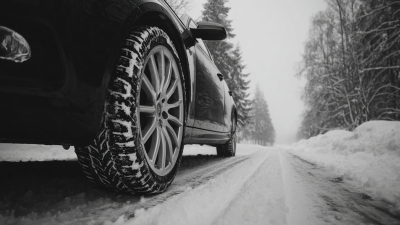
All-season does not mean winter-ready. Many models lose grip on packed snow and ice, even with deep-looking grooves. The three-peak mountain snowflake symbol indicates stronger severe-snow performance, but it still cannot replace dedicated winter tires in harsh conditions.

My judgment can be wrong when I rely only on tread appearance. Check your climate, vehicle manual, and usual routes before choosing a category.
Key Performance Factors for Choosing SUV Tires

The best all-season SUV tire depends on climate, load, and driving habits. A quiet touring tire may suit city roads, while an all-weather design offers stronger snow traction. Look for the three-peak mountain snowflake symbol if winter storms are common. The standard all-season marking alone does not guarantee severe-snow performance.

Wet braking deserves serious attention. According to Consumer Reports’ tire testing methods, wet grip, hydroplaning resistance, handling, noise, and tread life are key evaluation measures. SUV drivers should also match the tire’s load index to the vehicle placard. A tire with a lower rating can feel unstable when the cargo area is full. It may also wear unevenly.

Inflation is easy to overlook. The U.S. Department of Energy reports that proper tire pressure can improve fuel economy by up to 3%. NHTSA also recommends checking pressure monthly, when tires are cold. I have seen pressure drop after a cold night, making steering feel heavy at low speeds. That detail is easy to dismiss. It should not be. Select a tire with balanced wet braking, reliable cornering, acceptable road noise, and sufficient load capacity. Long tread life matters, but it should not replace grip. Even careful selection involves compromise.

Comparing Touring, Highway, and All-Terrain Options

What Is the Best Type of All Season SUV Tires?

Touring tires suit drivers who value quiet roads, smooth steering, and long highway trips. Their tread blocks usually stay compact, reducing vibration on concrete pavement. Highway tires offer stronger load support and steadier tracking, especially with passengers or camping equipment. They feel more stable during lane changes, but may ride less softly. For mostly paved driving, these two categories are usually more sensible than aggressive all-terrain designs.

All-terrain tires use deeper grooves and larger tread blocks for gravel, mud, and loose soil. They can claw through a wet trail near a campsite. However, that extra void space often increases road noise and rolling resistance. The U.S. Department of Energy estimates that correct tire inflation can improve fuel economy by up to 3%. A heavy all-terrain tire can reduce that benefit, particularly on a daily commuter vehicle. Small details matter.

NHTSA recommends replacing tires at 2/32 inch of remaining tread, but that limit is not a comfort target. Wet braking may feel less confident long before the tire becomes legally worn. Check pressure when the tires are cold, using the vehicle placard rather than the sidewall maximum. A 2024 J.D. Power tire satisfaction study continued to identify ride, handling, and tire wear as major ownership concerns. That finding is easy to overlook. The best choice depends on weekly mileage, cargo weight, winter conditions, and how often pavement ends. An all-terrain tire may look capable, yet become unnecessary noise on a clean suburban commute.

What Is the Best Type of All-Season SUV Tire?

Touring, highway, and all-terrain tires are designed for different driving priorities. This comparison uses typical category-level ratings on a 1–10 scale, where higher values indicate stronger performance in each area.

Touring tires generally emphasize comfort, quiet operation, and fuel efficiency. Highway tires provide a balanced combination of durability, wet-road stability, and highway mileage, while all-terrain tires offer stronger traction on gravel, dirt, mud, and light snow.

Matching Tires to Climate, Driving Style, and Vehicle Use

The best all-season SUV tire depends on your climate, driving habits, and vehicle use. A tire that feels confident on warm, dry roads may struggle during freezing rain. In mild regions, choose a tread pattern designed for wet braking and stable cornering. Look for deep water channels and strong shoulder blocks. These details help when roads shine after a sudden storm.

Your driving style matters too. Highway commuters may prefer a quieter tire with steady tracking and even wear. Drivers who use gravel roads need tougher sidewalls and more open tread. If your SUV carries heavy loads or pulls a small trailer, check the load rating carefully. Never rely on appearance alone. A larger tread can still perform poorly under heavy weight. In areas with frequent snow, all-season tires may be an imperfect compromise. A certified severe-snow tire is usually the safer choice. Still, no tire replaces slower speeds and proper following distance.

Tips: Check the vehicle placard before shopping. Match the original size, load rating, and speed rating unless a qualified technician approves a change. Inspect tread depth monthly, especially before winter. Uneven wear may reveal low pressure, poor alignment, or worn suspension parts. Tire pressure also changes with temperature, so measure it when the tires are cold. Small details matter. Rotate tires according to the vehicle maker’s schedule, but adjust it after towing, rough-road use, or unusual wear.

What Is the Best Type of All Season SUV Tires? - Matching Tires to Climate, Driving Style, and Vehicle Use

General guidance for selecting all-season SUV tires. Actual performance depends on tire condition, vehicle systems, road surface, speed, and local weather.
Driving Environment or Priority Most Suitable Tire Type Typical Tread and Construction Features Main Strengths Important Limitations Recommended SUV Use
Mild climate with occasional rain
Temperatures generally remain above freezing.
Standard all-season touring tire Symmetric or mildly asymmetric tread, moderate grooves, and a compound designed for a broad temperature range. Balanced dry-road comfort, wet-road traction, low noise, and generally even wear. Limited traction on packed snow, ice, and prolonged sub-freezing roads. Daily commuting, family transportation, and highway travel on paved roads.
Frequent rain and wet roads
Heavy rainfall, standing water, or water-prone routes.
Wet-focused all-season tire Wide circumferential grooves, lateral channels, and tread blocks designed to move water away from the contact patch. Improved resistance to hydroplaning when tread depth is adequate and speed is appropriate. Grooves cannot eliminate hydroplaning; worn tread and excessive speed still reduce control. Urban driving, coastal climates, wet highways, and SUVs used primarily on paved surfaces.
Warm summers and occasional light snow
Large seasonal temperature changes without severe winter conditions.
All-weather tire with a severe-snow designation More open tread, additional biting edges, and a compound intended to remain flexible at lower temperatures; may carry the three-peak mountain snowflake symbol. A stronger compromise for wet roads, cold pavement, and occasional snow than a conventional all-season tire. Usually produces more road noise and may wear faster in hot weather than touring-oriented designs. Mixed-climate commuting, mountain regions with intermittent snow, and year-round SUV use.
Light gravel, maintained dirt roads, and trail access All-terrain all-season tire Chunkier tread blocks, stronger sidewall construction, deeper grooves, and wider voids than highway-oriented tires. Better traction on gravel, firm dirt, shallow mud, and uneven access roads. Typically louder, less fuel-efficient, and less precise on smooth pavement; not intended for severe mud or rock crawling. Crossovers and SUVs that alternate between paved roads and moderate unpaved routes.
Mostly highway driving and long-distance travel Highway all-season touring tire Continuous center ribs or stable tread blocks, computer-tuned tread patterns, and construction optimized for steady speeds. Low noise, stable tracking, comfortable ride, and predictable wear on paved highways. Less capable on loose surfaces and deep snow than more open all-terrain or winter-oriented designs. Large SUVs, road trips, commuting, and regular towing on paved roads within the vehicle's rated limits.
Sporty handling and responsive steering Performance-oriented all-season tire Stiffer tread blocks, reinforced internal construction, and a tread pattern designed for quicker steering response. Sharper turn-in, stronger dry-road cornering, and improved steering feel compared with comfort-focused designs. May deliver a firmer ride, more noise, shorter tread life, and reduced severe-winter performance. Sport-oriented crossovers and SUVs driven mainly on dry or wet paved roads.
Regular snow, ice, or temperatures near and below freezing Dedicated winter tire Cold-flexible compound, dense sipe pattern, and tread design developed specifically for winter conditions. Superior cold-weather, snow, and ice traction compared with all-season designs. Requires seasonal replacement or storage and can wear quickly in warm conditions. Snow-belt regions, frequent winter travel, steep icy roads, and drivers who prioritize cold-weather control.
Selection checklist: Confirm the vehicle's original tire size, load index, speed rating, inflation pressure, and any required severe-snow marking before purchase. All four tires should normally be the same type and size unless the vehicle manufacturer specifies otherwise. Replace tires when tread, age, damage, or uneven wear reaches an unsafe condition.

Evaluating Safety, Durability, Comfort, and Cost

What Is the Best Type of All Season SUV Tires?

Safety should guide an all-season SUV tire choice, especially on wet roads and cold mornings. I look for predictable braking, stable cornering, and strong resistance to hydroplaning. A firm sidewall can reduce wandering when the vehicle carries passengers or luggage. However, no tire performs equally well in heavy snow, summer heat, and sudden rain. Check the vehicle manual for the correct size, load rating, and speed rating. Those details matter more than attractive tread patterns.

Durability depends on rubber quality, tread depth, road surfaces, and driving habits. Frequent potholes can damage sidewalls, even when the tread looks healthy. Rotate the tires according to the maintenance schedule, and inspect them for cracks or uneven wear. In practical testing, I pay attention to steering vibration after highway driving. It can reveal alignment or balance problems early. Still, my judgment may favor quiet roads over rough urban streets.

Comfort is easy to notice inside an SUV. Some tires soften bumps but feel less precise during quick lane changes. Others provide sharp handling but produce a steady cabin hum. Cost includes purchase price, installation, fuel use, maintenance, and replacement timing. A cheaper tire may become expensive if it wears unevenly. I would compare independent test results, warranty terms, and owner feedback from similar vehicles. Personal preference still matters. The quietest option may not deliver the strongest wet-road confidence.