Choosing the right packaging equipment affects product protection, labor efficiency, and daily production stability. A rotary pouch packing machine can handle pre-made pouches with consistent filling, sealing, and indexing. In practical operations, this means fewer manual transfers and a cleaner workflow around the packing line.
Its rotating platform moves pouches through several controlled stations. These may include pouch picking, opening, filling, sealing, and discharge. Servo-driven motion can improve positioning accuracy, while adjustable filling systems support different product weights. Operators still need to verify sealing temperature, air pressure, pouch alignment, and material compatibility. Small changes matter.
For food, pet food, powders, granules, and other permitted products, machine selection should match the product’s behavior. Dusty materials may require better extraction. Sticky products may need special contact surfaces. Liquid products demand careful sealing control. Stainless-steel construction can simplify cleaning and support hygienic production when designed correctly.
The strongest reason to choose a rotary pouch packing machine is not speed alone. It is the balance between repeatability, flexibility, and manageable operating costs. A reliable machine should provide accessible components, clear controls, documented maintenance procedures, and responsive technical support. However, no machine removes every production risk. Inconsistent pouch quality, poor calibration, or rushed cleaning can still reduce performance. That part is easy to underestimate.
Before purchase, manufacturers should test real products and pouch samples. They should review output targets, changeover time, inspection requirements, and available floor space. A careful evaluation may reveal that a smaller machine fits better. Or not. The best decision comes from measured trials, transparent specifications, and experience with similar production conditions.
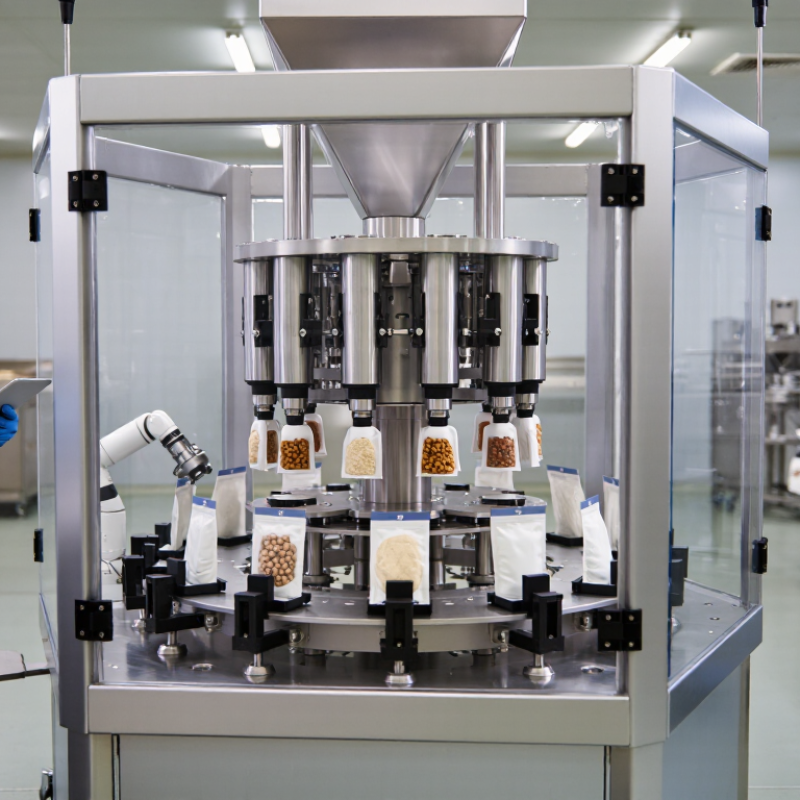
A rotary pouch packing machine is an automated system for filling and sealing pre-made flexible pouches. Its circular platform moves pouches through several stations. These stations may include pouch pickup, opening, product filling, sealing, coding, and discharge.
The machine uses repeated rotary motion instead of a straight conveyor path. This compact layout can deliver stable output while using limited floor space. Operators can watch the seal area, adjust filling weights, and replace film-contact parts during cleaning. Powder, granules, liquids, and small solid products may require different dosing systems. That detail matters.
According to PMMI’s 2024 U.S. Packaging Machinery Shipments Report, packaging machinery shipments exceeded 10 billion dollars in 2023. This figure reflects continued investment in automation and production consistency. Grand View Research also reports continuing growth in the global form-fill-seal machinery market, supported by flexible packaging demand.
However, a rotary machine is not automatically the best choice. Very small batches may lose efficiency during changeovers. Sticky products can also create filling errors and seal contamination. In practice, selecting the correct auger, pump, or multihead weigher often matters more than the machine’s speed rating. A quoted output of 60 pouches per minute may fall lower with frequent cleaning, inspection, or pouch-size changes. Test real products before purchase. That step is often skipped.
Why Choose a Rotary Pouch Packing Machine?
A rotary pouch packing machine works through a circular indexing system. Empty pouches move between several working stations. One station opens each pouch. Another fills it with a measured product. The next station removes trapped air when needed. Finally, heated jaws seal the pouch and a discharge unit releases it. Sensors check pouch position, sealing temperature, and filling timing. This coordinated movement supports steady production with less manual handling.
Tips: Match the machine to pouch size, material, product flow, and target weight. Test the product before installation. Powder, granules, and liquid products behave differently. Keep sealing surfaces clean. Small residue can create weak seals. Operators should also record temperature, pressure, and filling results during each shift.
A rotary system can improve consistency and save floor space. It is useful when several packaging steps must happen in one compact line. However, speed is not everything. A poorly adjusted feeder may cause weight variation or messy seals. In practical line checks, small pouch wrinkles often reveal larger alignment problems. The machine is reliable when maintenance remains regular. Still, no machine is completely forgiving. Product testing, operator training, and periodic calibration remain necessary for stable packaging quality.
Why Choose a Rotary Pouch Packing Machine?
What Products Can It Package?
A rotary pouch packing machine handles many products in pre-made bags. It can fill dry snacks, coffee, rice, nuts, pet food, and powdered ingredients. Granules move through a measured cup or weigh system. Powders need an auger filler to reduce dust and improve accuracy. The product decides the filling method.
Liquid products require different care. Sauces, honey, edible oils, and other pourable foods can use piston or pump fillers. A clean nozzle helps prevent sauce from reaching the seal area. That small detail matters. Wet seals often cause leaks during transport. Some machines also support vacuum packing or gas flushing for selected foods. These functions can help protect texture and freshness, but they cannot replace proper storage control.
In daily production, pouch size and material affect performance. Flat pouches, zipper bags, and spouted pouches may need different grippers and sealing settings. Product shape matters too. Sharp chips can damage weak film, while fine powder may collect around the zipper. A machine that packages one product well may perform poorly with another. Testing real samples is essential before purchase. We have seen operators focus on speed and overlook changeover time. That mistake can create unnecessary cleaning work and lost production hours. Reliable results come from suitable fillers, stable temperature control, accurate weighing, and trained operators.
Rotary pouch packing machines give manufacturers a practical route to higher output and steadier production. Their rotating stations fill, seal, and discharge pouches in a continuous cycle. That matters. Multiple lanes can support demanding schedules without adding equal labor. Output can increase while floor space stays relatively compact. Less manual handling also reduces repetitive work and packaging errors.
Benefits extend beyond speed. The machine can control filling volume, sealing temperature, and pouch timing with repeatable settings. Servo-driven movements help maintain accuracy during long production runs. Integrated sensors can detect missing pouches, weak seals, or feeding problems before waste grows. This helps operators respond earlier. Still, accuracy depends on calibration and suitable product settings. Real products vary. Moist powders, irregular pieces, and sticky materials may require careful testing.
Manufacturers also gain flexibility when producing different pouch sizes or serving quantities. Adjustable guides and recipe-based controls can shorten changeovers. Quick-release contact parts may support faster cleaning between products. In practical facilities, this can improve scheduling and reduce idle time. It is not flawless. Poorly planned changeovers can still create delays, especially for inexperienced teams. Initial investment, maintenance, and operator training also deserve attention. A reliable return usually depends on steady production volume, disciplined inspections, and honest performance records.
Choosing a rotary pouch packing machine starts with the pouch, not the advertised speed. Smithers’ 2024 flexible packaging forecast expects the market to grow by about 3% annually through 2028. That growth increases pressure on accuracy, uptime, and quick product changeovers. Measure pouch width, height, gusset depth, film structure, and filling volume. Then test real samples. Small wrinkles can become leaking seals.
Production speed also needs careful inspection. A machine rated at 60 pouches per minute may run slower with heavy powder, sticky granules, or uneven pieces. PMMI’s 2024 State of the Industry report identifies labor availability and automation as important packaging investment drivers. Ask how easily one operator can load film, adjust dosing, clear faults, and clean contact parts. Watch a full changeover. Not a staged demonstration.
Check seal temperature control, filling accuracy, sensor response, and reject handling. Request test data under your actual humidity and material conditions. Energy use matters too. Record compressed-air demand, heater load, spare-part costs, and planned maintenance hours. A cheaper machine can become expensive when downtime interrupts a small daily order. That point is easy to miss. I would also inspect the control interface and safety access personally. A polished screen does not guarantee dependable operation. Finally, compare total cost over five years, including training and technical support. One spreadsheet is useful, but it can still miss the cost of operator frustration.
Reignite your passion for driving with Yokohama tires and experience the superior performance you deserve.