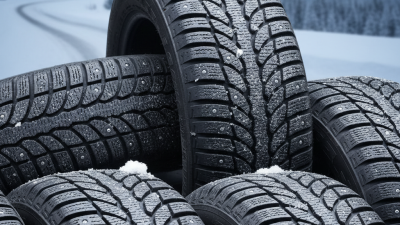
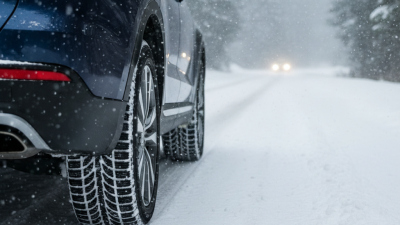
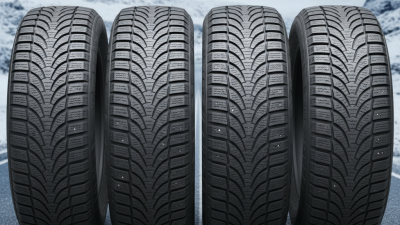
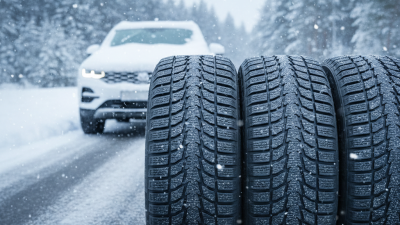
Buying winter tires across borders requires more than comparing prices and tread photos. Global buyers must understand climate, road surfaces, vehicle applications, and regional requirements before placing an order. The phrase “tires winter” may appear in online searches, but reliable purchasing depends on technical evidence, not keywords alone.
This guide presents ten practical tips for evaluating suppliers, compounds, tread designs, certifications, sizes, load ratings, and delivery conditions. A tire designed for icy mountain roads may perform poorly on wet highways with mild winters. Check the Three-Peak Mountain Snowflake marking where appropriate, then confirm the product’s documentation with the manufacturer or an authorized distributor. Small details matter. Ask about production dates, storage conditions, warranty coverage, and testing methods. Old inventory can lose value if it has been stored in heat, sunlight, or moisture.
In real sourcing work, a low quotation often hides important costs. Freight, customs procedures, seasonal demand, and minimum order quantities can change the final price significantly. Buyers should request clear specifications and compare identical products. Do not rely on attractive images. A trustworthy supplier should explain limitations, provide traceable information, and admit when a product is unsuitable. No checklist is perfect. Local regulations and driving habits still require independent verification. Cold changes everything. Careful research helps buyers choose safer, more consistent winter tires for different markets.
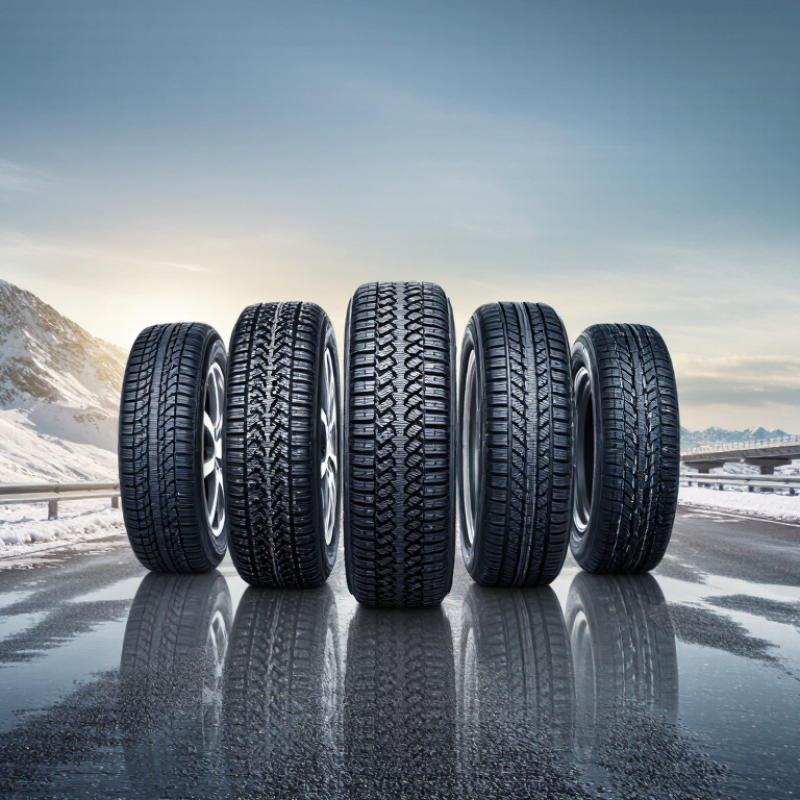
10 Winter Tire Buying Tips for Global Buyers
Assess Winter Climate, Road Conditions, and Vehicle Requirements
Start with temperature, not the calendar. The U.S. Tire Manufacturers Association places the practical threshold at 45°F (7°C). Below that point, standard rubber compounds can stiffen, reducing grip on cold pavement. That threshold is guidance, not a weather forecast. Buyers in northern cities should review weekly lows, snowfall, and freezing-rain frequency before choosing a tire type.
Road texture matters just as much. Packed snow needs open grooves and biting edges. Wet highways demand strong drainage and dependable wet braking. Frequent ice requires certified severe-snow performance, while dry, cold roads may favor quieter tread designs. The European Commission’s tyre-label framework separates wet grip, rolling resistance, and external noise, but these ratings do not fully describe ice performance. Read the complete technical sheet.
Vehicle requirements can expose costly mistakes. Check the owner’s manual for approved sizes, load index, speed rating, and pressure. NHTSA’s TireWise guidance recommends checking pressure monthly and before long trips. USTMA also notes that pressure changes by roughly 1 psi for every 10°F temperature change. A tire that looks firm in a warm garage may be underinflated outdoors. I would not rely on all-wheel drive alone; it helps acceleration, not braking. Measure tread depth, inspect sidewalls, and confirm clearance around brakes. Perfect selection is difficult, especially across mixed climates.
| No. | Buying Dimension | 1 | Evaluate Winter Temperature | Identify the typical lowest temperatures, the length of the cold season, and whether temperatures regularly fall below 7°C (45°F). | Winter tires use a tread compound designed to remain more flexible in cold conditions. All-season compounds generally become less flexible as temperatures fall. | Choose winter tires when cold weather is frequent and sustained, especially where temperatures are commonly below 7°C, even when roads are dry. | |
|---|---|---|---|---|---|---|---|
| 2 | Measure Snowfall and Ice Exposure | Consider annual snowfall, freezing rain, black ice, packed snow, and how quickly roads are cleared. | Look for the 3-Peak Mountain Snowflake (3PMSF) symbol when severe-snow performance is required. The symbol indicates that the tire has passed a regulated snow-traction performance test. | For regions with recurring snow or ice, prioritize a properly certified winter tire rather than relying only on a mud-and-snow marking. | |||
| 3 | Match the Local Road Surface | Separate the proportion of driving on cleared highways, wet urban roads, untreated rural roads, gravel, and steep routes. | Directional tread patterns can help evacuate slush and water, while dense sipes and biting edges support traction on snow. Tire performance varies by surface and cannot be judged by tread appearance alone. | Select a design suited to the dominant surface, then confirm independent test results for snow, wet braking, ice, noise, and dry-road handling. | |||
| 4 | Confirm Vehicle Fitment | Check the vehicle’s approved tire size, load requirement, speed rating, wheel diameter, drivetrain, and clearance around brakes and suspension. | The replacement tire should meet or exceed the vehicle manufacturer’s specified load index and speed rating unless local regulations or the vehicle manufacturer state otherwise. | Use the vehicle placard, owner’s manual, and official fitment data. Do not select a size solely because it is cheaper or visually similar. | |||
| 5 | Choose the Correct Load Capacity | Account for passengers, luggage, cargo, towing, roof loads, and commercial use in winter conditions. | The tire’s load index must support the vehicle’s axle loads. Underinflation reduces load capacity and can increase heat buildup, wear, and handling risk. | Compare the tire load index with the vehicle requirement and maintain inflation pressure according to the vehicle manufacturer’s cold-pressure specification. | |||
| 6 | Decide on Studded or Studless Design | Assess the frequency of glare ice, compacted snow, bare pavement, and restrictions on studded tires in the destination market. | Studded tires can provide additional grip on certain icy surfaces, while studless winter tires are generally more suitable for mixed winter roads and may produce less road noise and pavement wear. | Check national, regional, and municipal regulations before ordering studded tires. For mixed conditions, compare ice, snow, wet, and dry-road test performance. | |||
| 7 | Verify Tread Depth and Wear Indicators | Consider expected mileage, fleet utilization, road abrasiveness, and the legal minimum tread depth in the destination country. | Winter traction can decline before the legal limit is reached because snow-gripping sipes and tread geometry become less effective as the tread wears. | Use a tread-depth gauge, inspect wear indicators, and replace tires when winter performance is no longer adequate or when the legal limit is reached. | |||
| 8 | Check Manufacturing Date and Storage | Review the tire identification code, inventory age, shipping time, warehouse conditions, and exposure to sunlight, heat, moisture, or chemicals. | Tires age from manufacture, not only from installation. Proper storage should be cool, dry, clean, protected from direct sunlight, and away from ozone-producing equipment. | Request the production date before purchase, avoid undocumented old inventory, and store unused tires correctly during the non-winter season. | |||
| 9 | Plan Pressure Monitoring and Rotation | Account for large seasonal temperature changes, long-distance travel, uneven road conditions, and the vehicle’s tire-pressure monitoring system. | Cold temperatures reduce tire pressure. A commonly used engineering rule is approximately 1 psi (0.07 bar) for every 10°F (5.6°C) temperature decrease, although actual changes vary. | Check pressure when tires are cold, recalibrate or relearn the monitoring system when required, and rotate tires according to the vehicle or tire-service schedule. | |||
| 10 | Review Regulations and Total Cost | Compare purchase price with mounting, balancing, storage, taxes, import duties, seasonal changeovers, disposal fees, warranty support, and compliance costs. | Some markets require winter equipment during defined dates or weather conditions and may specify minimum tread depth, approved markings, chains, or stud restrictions. | Confirm destination-country rules before shipment and calculate total ownership cost rather than comparing the tire purchase price alone. |
Practical reminder: Winter tires should normally be installed as a complete set of four. Mixing different tire types or significantly different levels of winter grip can affect vehicle stability and braking balance.