2026 Top All Weather Tires for Global Buyers
Choosing the right weather tires is no longer a simple matter of picking a familiar brand. Global buyers face different roads, temperatures, rainfall patterns, and winter regulations. A tire that feels secure on wet streets in London may behave differently on hot highways in Dubai or mountain roads near Vancouver. This guide examines the 2026 top all-weather tires through practical details, including wet braking, snow traction, steering stability, road noise, tread life, and warranty support.
Jonathan Benson, founder of Tyre Reviews, has often highlighted a key truth: “No tire can be perfect in every condition; every design involves a compromise.” That point matters when comparing weather tires. All-weather models usually carry the Three-Peak Mountain Snowflake symbol, but certification alone does not guarantee identical performance. Tread compounds, vehicle weight, inflation pressure, and local road surfaces still change the result.
We will consider both laboratory evidence and daily driving experience. A crisp steering response can matter on a wet freeway. Predictable grip can matter more on a steep, icy driveway. Some tires also sacrifice fuel efficiency for stronger winter traction. That trade-off is easy to overlook.
This ranking is useful, not absolute. Tire tests cannot recreate every climate, driving style, or road hazard. Buyers should verify local requirements and choose the correct size. Even excellent weather tires can underperform when neglected, overloaded, or poorly inflated.
What All-Weather Tires Are and How They Differ from Other Tire Types
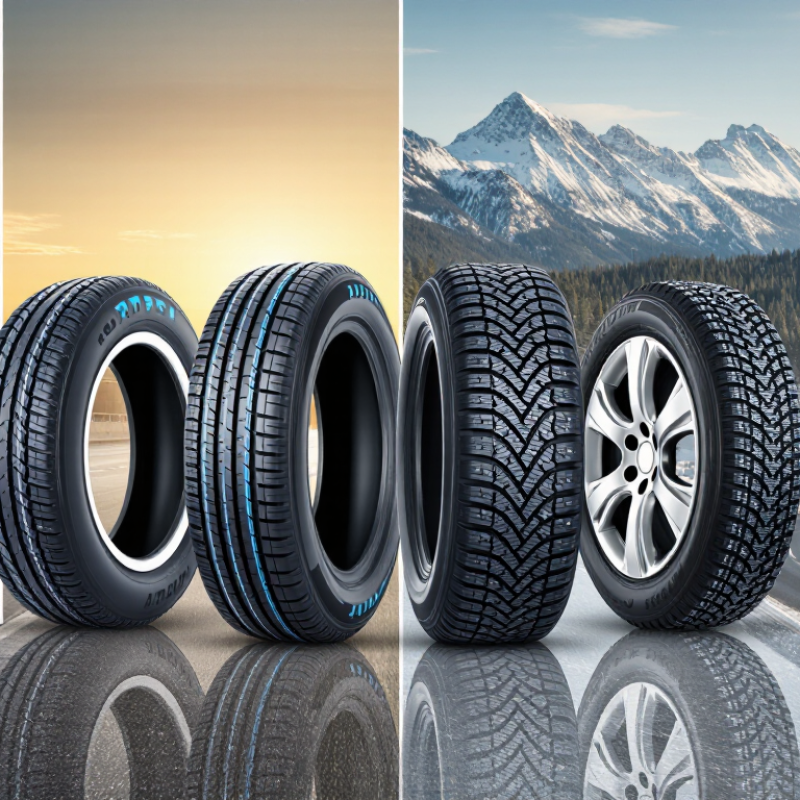
All-weather tires are designed for changing climates, not every possible road. They use rubber compounds that remain flexible in moderate cold, plus deeper grooves and dense sipes for slush and light snow. Many carry the Three-Peak Mountain Snowflake symbol. Under UN Regulation No. 117, this mark requires a snow-grip index of at least 1.07 against a reference tire. That test provides useful evidence, but it does not promise safe braking on glare ice.
All-season tires usually prioritize quiet driving and warm-weather mileage. Their “M+S” marking can indicate mud and snow capability, yet it does not equal certified severe-snow performance. Winter tires use softer cold-weather compounds and more biting edges. They generally outperform all-weather tires in deep snow and freezing conditions. The compromise appears during hot months, when softer rubber may wear faster. I still find the labels confusing.
NHTSA estimates that tire-related problems contribute to about 11,000 crashes each year in the United States. U.S. Tire Manufacturers Association guidance stresses regular pressure checks, tread inspection, and correct seasonal fitment. Those practices matter as much as the category on the sidewall. A practical check is simple: inspect tread depth, look for uneven wear, and compare the tire’s snow rating with local weather records. For drivers crossing several climates, all-weather tires can reduce seasonal changes. They cannot replace dedicated winter tires in persistent ice, mountain snow, or extreme cold. That limitation deserves more attention.
Key Performance Features for Diverse Global Driving Conditions
2026 Top All Weather Tires for Global Buyers
Key Performance Features for Diverse Global Driving Conditions
All-weather tires for 2026 need more than broad temperature claims. Drivers may face wet coastal roads, dry highways, mountain snow, and sudden heat. A dependable design balances grip, braking, comfort, and tread life. Look for certified winter performance where snow service is expected. Check the sidewall markings and local requirements before purchase. Small details matter. Wide grooves should move water away from the contact patch. Dense siping can improve packed-snow traction, but may soften steering response.
Rubber compound stability is vital across changing climates. In hot regions, excessive softness can increase wear and rolling resistance. In cold regions, a hardened compound may reduce braking confidence. Computer-designed tread patterns can lower road noise, yet comfort also depends on pressure and suspension. Independent tests should report wet braking, snow traction, mileage, and temperature conditions. A single score does not tell the whole story. Buyers need caution here.
Load capacity and speed ratings must match the vehicle, especially with heavy luggage. On rough roads, reinforced construction may resist impacts, but it can feel firmer. Regular pressure checks remain essential after altitude or temperature changes. Rotate tires according to the vehicle maker’s schedule. Real-world results vary. Driving style, alignment, road texture, and storage can change wear dramatically. I would not choose from climate labels alone; measured tests and local experience deserve equal weight.
2026 Top All Weather Tires for Global Buyers
Key Performance Features for Diverse Global Driving Conditions
The chart compares commonly specified legal minimum tread depths in selected markets. Most values cluster around 1.5–1.6 mm, but legal limits are only a compliance threshold. For safer all-weather driving, buyers should also consider wet-road braking, hydroplaning resistance, cold-weather flexibility, snow traction certification, and rolling resistance. Local regulations may vary by jurisdiction.
How to Choose All-Weather Tires by Climate, Vehicle, and Road Use
2026 Top All Weather Tires for Global Buyers
Choosing all-weather tires starts with your climate, not a sales label. Mild regions with frequent rain need strong wet braking and stable cornering. Drivers in snowy areas should look for the Three-Peak Mountain Snowflake marking. It indicates tested performance in severe snow conditions. However, it does not make a tire equal to a dedicated winter tire. In very hot regions, inspect heat resistance, tread durability, and pressure stability.
Your vehicle matters just as much. Check the door-jamb placard for the correct tire size, load index, and speed rating. A heavier electric vehicle may require higher load capacity. A small hatchback used on narrow city roads may benefit from softer steering response. SUVs carrying equipment need stronger sidewalls. Road use also changes the decision. Highway commuters need quiet running and wet grip, while rural drivers may value reinforced construction and dependable traction on gravel. Some advice sounds universal, but it is not.
Tips: Compare certified wet-grip information, tread depth, and warranty conditions. Inspect tires monthly, especially before long trips. Keep pressures near the vehicle maker’s recommendation, not the maximum printed on the sidewall. Rotate tires according to the service schedule. Do not ignore uneven wear; it can reveal poor alignment or suspension problems. A tire can feel comfortable on dry pavement yet behave poorly during a cold, sudden downpour. That detail is easy to miss.
Leading 2026 All-Weather Tire Options for International Buyers
For international buyers, the leading 2026 all-weather tire options should combine certified winter traction, wet-road control, and dependable highway comfort. The three-peak mountain snowflake symbol matters most in regions with regular snow. Under UNECE Regulation No. 117, qualifying tires must reach a defined snow-grip threshold against a reference tire. That test is useful, but it does not recreate every road.
Look for independent test data covering braking, hydroplaning, steering stability, and rolling resistance. The European Tyre and Rim Technical Organisation provides technical procedures used across many markets. The U.S. National Highway Traffic Safety Administration also reports more than 11,000 tire-related crashes annually in the United States. Correct inflation remains critical. NHTSA states that underinflation can reduce handling and increase tire stress. Small pressure losses are easy to miss.
A strong global choice should match the vehicle’s load index, speed rating, rim size, and local weather. Check markings before comparing prices. Some all-weather tires perform well on packed snow but feel less precise during hot, fast driving. That trade-off is real. The International Energy Agency notes that tire rolling resistance influences vehicle energy use, especially for electric vehicles. Buyers should inspect tread depth, sidewall condition, warranty coverage, and replacement availability in their country. I would not trust a single laboratory score. Road surfaces, temperatures, and driver habits can change the result.
Installation, Maintenance, Regulations, and Buying Considerations Worldwide
Choosing 2026 all-weather tires starts with local weather and road rules, not a colorful label.
In northern cities, look for a certified severe-snow symbol when winter grip is legally required. Some regions accept all-weather tires year-round; others mandate winter tires or chains during marked periods. Check the transport authority’s current guidance before ordering. Tire names are not globally consistent. A seller’s “all-season” may not meet cold-weather requirements. Ask for the exact certification.
Installation requires the correct size, load index, speed rating, and wheel compatibility.
A qualified technician should inspect rims, valves, and pressure sensors before mounting. Inflate tires to the vehicle maker’s pressure, not the maximum printed on the sidewall. Wheel nuts need a calibrated torque tool. New tires can feel different for the first 100 kilometers. Drive gently while tread surfaces settle. I have seen owners blame tires when poor alignment caused uneven wear. That mistake is expensive.
Check pressure monthly and before long trips, using cold tires.
Inspect tread, sidewalls, cuts, and embedded stones. Rotate tires according to the vehicle manual, especially on front-heavy vehicles. Replace them when wear indicators meet the tread, or when cracking appears. In hot climates, ultraviolet exposure ages rubber faster, even with deep tread. For cross-border purchases, verify the date code, warranty coverage, taxes, delivery terms, and return rules. A low price can hide old inventory. I still underestimate delivery delays sometimes. That deserves more thought before a remote journey.