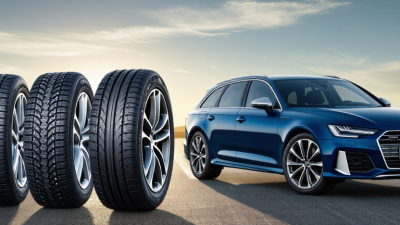
2026 Best Tires for Everyday Driving?
Choosing the best tires for everyday driving is less about chasing a single “top” model and more about matching performance to your vehicle, climate, and routine. A quiet tire may make a long commute calmer; dependable wet braking matters when rain darkens the road at dusk. The U.S. Department of Energy reports that properly inflated tires can improve gas mileage by up to 3%. Its fuel-economy guidance also estimates that each 1 psi drop in pressure across all four tires can reduce fuel economy by about 0.2%. Small details matter.
This guide compares all-season, touring, and other common tire types through practical factors: wet and dry grip, ride comfort, tread life, road noise, and price. NHTSA’s TireWise guidance recommends checking tire pressure monthly and inspecting tread and sidewalls, useful habits even after a careful purchase. Independent testing, including Consumer Reports’ tire evaluations, can help clarify trade-offs, but results may vary by size and vehicle. A tire that feels composed on a compact sedan may not suit a loaded crossover. There is no perfect pick. For drivers weighing tires on the drive, the aim is a balanced choice backed by test evidence, clear specifications, and realistic expectations—not a promise that one set excels everywhere.
Define Everyday Driving Needs: Vehicle Type, Climate, Mileage, and Road Conditions
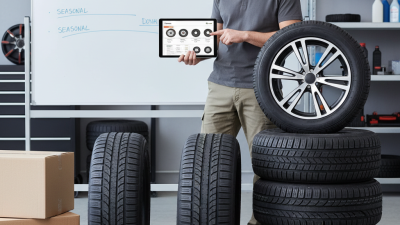
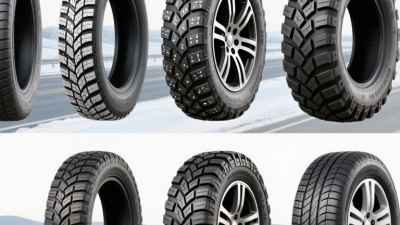
Everyday driving is not one fixed job for a tire. A compact car commuting on dry city streets needs different strengths from a loaded family vehicle crossing wet rural roads. Use the vehicle’s size, weight, and manual specifications; correct size and load rating matter more than an “all-purpose” label. Check the climate you actually face, not the weather you hope for. Frequent rain calls for dependable wet grip, while regular snow and freezing temperatures may require a dedicated winter setup. Mild winters are different.
Estimate annual mileage and how you use the car. A short urban commute brings potholes, tight turns, and repeated braking. Highway travel adds long stretches at speed and more exposure to standing water. Listen for cabin noise on your usual route, and consider comfort if you spend hours behind the wheel. Then inspect nearby roads: broken pavement, gravel driveways, steep hills, and construction can all affect your needs. Real roads vary. Tire choices involve trade-offs. A softer ride may feel pleasant, but it cannot fix poor alignment or neglected pressure checks. No tire solves every condition. Compare your most common driving with the tire’s stated capabilities, then check pressure monthly and before long trips.
Compare Tire Categories and UTQG Grades for Treadwear, Traction, and Temperature
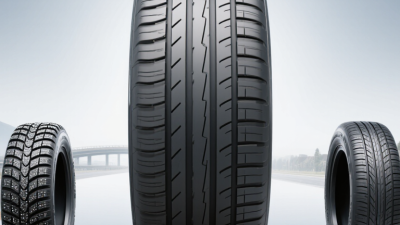
Everyday tires must balance quiet rides, wet-road grip, and steady wear. Touring tires often favor comfort and longer tread life, while performance categories may respond more sharply during turns. All-season designs suit changing weather, but their cold-weather ability varies. Check the tire’s intended use, not just its category name. Numbers need context.
The UTQG treadwear grade compares wear against a reference tire under controlled conditions. A higher number can suggest slower wear, but it does not promise a specific mileage. Driving habits, inflation, alignment, and road texture all matter. Traction grades—AA, A, B, or C—describe wet braking performance on specified test surfaces; they do not measure cornering grip or resistance to hydroplaning. Temperature grades—A, B, or C—indicate resistance to heat under set test conditions. That matters on long, warm highway trips.
Compare grades within similar tire types, then check the vehicle manual for size and load requirements. A high treadwear rating may look appealing, yet the tire could feel less responsive than a lower-rated option. UTQG labels help narrow choices, but they are not a complete road test. Even the best comparison leaves some uncertainty.
2026 Best Tires for Everyday Driving? — Compare Tire Categories and UTQG Grades for Treadwear, Traction, and Temperature
| Tire Category |
Typical Everyday Strengths |
Commonly Seen UTQG Treadwear* |
Commonly Seen Traction* |
Commonly Seen Temperature* |
Best Fit |
| Standard Touring All-Season |
Comfortable ride, low road noise, and balanced wet and dry handling. |
About 500–800 |
Usually A; some models may be AA or B |
Usually A; some models may be B |
Daily commuting and general use in mild climates. |
| Grand Touring All-Season |
Refined ride with a balance of comfort, highway stability, and handling. |
About 400–700 |
Usually A or AA; some models may be B |
Usually A |
Drivers who spend time on highways and value comfort. |
| All-Season Performance |
More responsive steering and stronger dry-road grip than comfort-focused options. |
About 300–500 |
Usually A or AA |
Usually A |
Drivers who prioritize handling but still need year-round capability in moderate conditions. |
| All-Weather |
Designed for year-round use, with more winter-oriented tread features than typical all-season tires. |
About 400–700 |
Usually A; grades vary by model |
Usually A; grades vary by model |
Drivers who encounter occasional snow and want one set of tires year-round. |
How to read UTQG grades: Treadwear is a comparative rating based on a government-specified test; it is not a guaranteed mileage estimate, and ratings may not be directly comparable between manufacturers. Traction grades rank straight-line wet braking performance on specified test surfaces: AA, A, B, and C, from highest to lowest. Temperature grades indicate resistance to heat generation under specified test conditions: A, B, and C, from highest to lowest.
Important: The ranges above are broad examples of ratings commonly encountered, not requirements or guarantees for any tire category. Actual grades vary by tire model and size. Check the tire sidewall and vehicle owner’s manual before choosing. UTQG ratings do not measure snow or ice performance, and all-season tires are not a substitute for winter tires in severe winter conditions.
Check Wet-Weather Safety: NHTSA Advises Replacing Tires at 2/32-Inch Tread Depth
2026 Best Tires for Everyday Driving?
Check Wet-Weather Safety: NHTSA Advises Replacing Tires at 2/32-Inch Tread Depth
For everyday driving, wet-road grip deserves close attention. The National Highway Traffic Safety Administration advises replacing tires when tread reaches 2/32 inch. Tread grooves help channel water away from the contact patch. As they wear, a tire may struggle to maintain grip on a rainy road. That margin matters. A worn tire can look usable in the driveway, yet behave differently on wet pavement.
A 2018 AAA test found that tires worn to 4/32 inch needed an average of 87 additional feet to stop from 60 mph on wet pavement, compared with new tires. The result is a reminder that 2/32 inch is a replacement threshold, not a reassuring target for rain. Actual performance varies with tire condition, vehicle, road surface, and speed. I’d rather inspect early than assume the grooves still have enough depth.
Tips: Check tread across the full width of each tire, including the inner edges. A tread-depth gauge gives a clearer reading than a quick glance. Look for uneven wear, cracks, or bulges, and check tire pressure when the tires are cold. Follow your vehicle manual for rotation and pressure guidance.
Match Tire Size, Load Index, and Speed Rating to the Vehicle Placard
2026 Best Tires for Everyday Driving?
The best everyday tire starts with the vehicle placard, not a sale sign. Check the label inside the driver’s door or the owner’s manual. Match its tire size, including width, aspect ratio, and wheel diameter. A number that looks almost right may still affect handling or clearance. Small differences matter.
Load index tells you how much weight each tire can carry. Choose the placard’s rating or an alternative approved for your vehicle; do not go lower without manufacturer guidance. The speed rating should meet the vehicle’s specified minimum. A higher rating is not automatically a better fit, since construction and ride comfort can differ. It is easy to focus on tread and overlook these markings. That can be an expensive miss. If you’re considering another size, ask a qualified tire professional to verify fitment and ratings for your exact vehicle.
Tips: Read the full sidewall code before buying. Set pressure to the placard’s cold-pressure figure, not the tire’s maximum sidewall pressure. Check all four positions; some vehicles specify different front and rear sizes. Keep the receipt. You may need it.
Evaluate 2026 Options by Independent Test Results, Warranty, Noise, and Cost per Mile
For everyday driving, a 2026 tire should be judged by more than its label or tread-life promise. Compare independent test results from the same test program, especially wet braking, handling, and ride comfort. A short stopping distance on a damp road may matter more than a small advantage on a dry track. Check the test vehicle, tire size, and conditions, too. Results can shift when those details change.
Warranty figures offer a useful comparison, but they are not a guaranteed lifespan. Read the exclusions and required maintenance terms. Then estimate cost per mile: purchase price, including installation, divided by realistic mileage. Use independent wear data when available; otherwise, treat the estimate as uncertain. Numbers need context. A cheaper tire may cost more over time if it wears quickly, but a premium price alone proves little.
Noise deserves a real-world check. Look for measured cabin-noise results, then consider your own route: coarse pavement can make a quiet tire sound busy. Quiet is not silent. I would also check wet performance after wear, not just when new, since some tires lose grip sooner than expected. There is no perfect shortlist without your vehicle, climate, and annual mileage. And test data can be imperfect; I would not treat one score as a verdict.