What Are the Best Types of Off Road Tires?
The best off-road tire depends on where you drive, what you drive, and how often you leave pavement. A rocky trail needs different tread and sidewall protection than a muddy track or a soft beach. Even a capable tire can feel tiring on a daily commute. That trade-off matters. Drivers searching for tires off road should compare traction with road noise, wet braking, fuel use, and expected tread life, rather than judging a tire by its aggressive appearance alone.
This guide introduces the main options: all-terrain tires for mixed driving, mud-terrain tires for deep mud, and specialized designs for rocks, sand, or winter conditions. Each type has limits. Large tread blocks may clear mud well but offer less comfortable highway manners; a softer, more flexible design may help on rocks but wear faster on pavement. There is no universal winner—and that answer can be frustrating. Check the vehicle maker’s approved tire size, load rating, and pressure guidance before choosing. Tire specifications and performance claims can vary by model, so confirm details with the manufacturer or a qualified tire professional. A careful match is usually more useful than the most dramatic tread pattern.
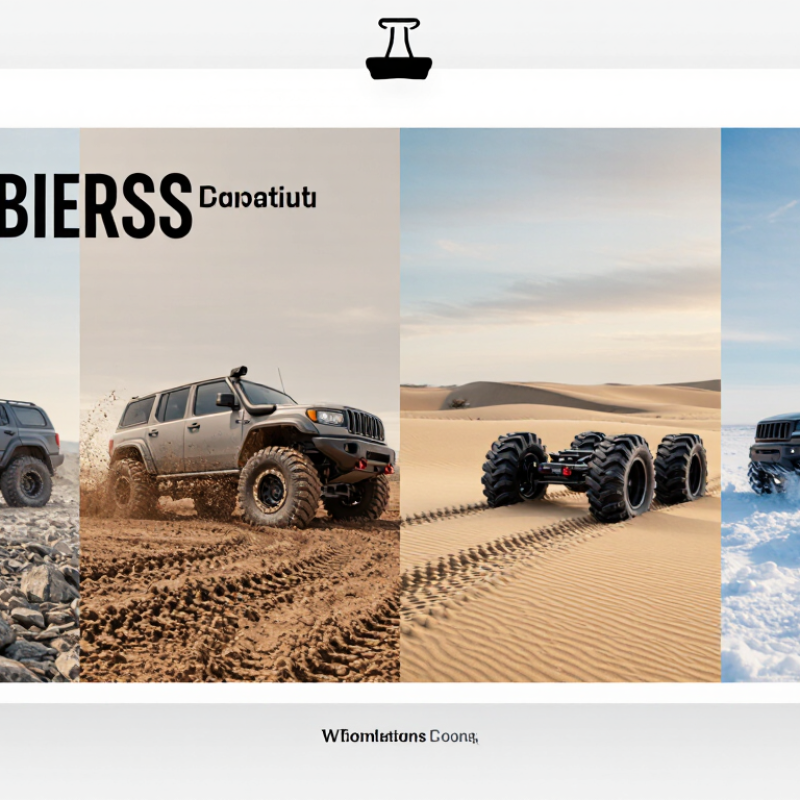
Classify off-road tires: all-terrain, rugged-terrain, mud-terrain, sand, and rock
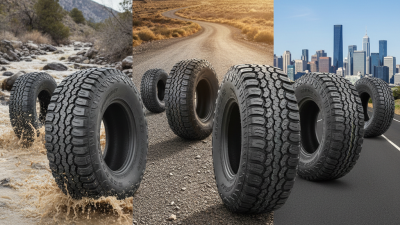
Off-road tires differ in tread shape, sidewall strength, and the surfaces they handle best. All-terrain tires balance paved-road comfort with dirt-road grip. Their moderate tread blocks work well on gravel, packed soil, and occasional muddy tracks. They are a practical choice for mixed driving, though they may not excel in deep mud or loose sand.
Rugged-terrain tires sit between all-terrain and mud-terrain designs. Larger, more open blocks improve traction on rough trails, while reinforced sidewalls can better resist cuts from sharp stones. The trade-off is often more road noise and a firmer ride.
Mud-terrain tires use deep, widely spaced lugs to clear sticky mud as the wheel turns. On pavement, those same gaps can mean louder driving and less predictable wet-road handling. Mud changes everything.
Sand tires usually have broad footprints and closely spaced patterns that help them float over soft ground instead of digging in. Lowering tire pressure can help, but the right pressure depends on the vehicle, load, and terrain; follow the vehicle and tire maker’s guidance.
Rock-focused tires emphasize tough sidewalls and tread that can grip uneven ledges. Their performance still depends on careful line choice and controlled speed.
These categories overlap, and no tread makes every surface easy. That neat division is imperfect. Conditions vary from trail to trail, even within one drive.
Compare manufacturer specs: select KO2 sizes list 15/32-in tread; KM3 sizes, 18/32 in
Tread depth is a useful starting point when comparing off-road tires, but it is not a complete scorecard.
Some sizes in one all-terrain range list 15/32 inch of tread, while selected mud-terrain sizes list 18/32 inch. That extra depth can provide more rubber to work with on loose trails. It may also affect road feel, noise, and how quickly the tread clears packed dirt.
Details matter.
Check the exact size you plan to buy. A published figure for one size does not automatically apply across the range, and tread depth alone cannot predict traction. Compare the load rating, tire width, sidewall construction, and intended terrain, too. On a rocky track, the sharper concern may be sidewall protection; in wet clay, tread spacing can matter more. Measure your current tires and confirm clearance before changing sizes.
A deeper tread can look reassuring. It is not a guarantee.
I would also consider how much pavement the vehicle sees, because an aggressive pattern may feel less settled on a long, quiet drive. Specs help narrow the choice, though real conditions still surprise you.
Check winter ratings: 3PMSF requires ≥110% traction in ASTM F1805 testing
Choosing an off-road tire means balancing tread, terrain, and seasonal grip. For winter driving, look for the Three-Peak Mountain Snowflake (3PMSF) symbol on the sidewall. Under ASTM F1805, a qualifying tire must deliver at least 110% of the traction of a standard reference tire on snow. That is a tested threshold, not a promise of equal grip on every winter surface.
Tips: Check the sidewall, not just the product description. Match tire size and load rating to your vehicle. After fitting, check pressure before driving on cold mornings.
The 3PMSF mark says little about ice braking, slush handling, or deep-snow clearance. An aggressive tread can help on loose trails, yet still feel less predictable on polished ice. It is tempting to treat the symbol as a complete winter verdict; that reading is too simple. Consider your actual routes, including shaded bends and steep, packed approaches. A tire’s rating is useful evidence, but conditions and driving style still matter.
Match tread and sidewall design to terrain, load, airing-down, and puncture risk
What Are the Best Types of Off Road Tires?
Tire choice begins with terrain, but the vehicle’s working weight matters just as much. On loose sand or soft mud, a wider footprint and open tread voids can help the tire float and shed packed material. They may feel noisy and vague on pavement. Rocky trails call for tougher sidewalls and tread blocks that resist cuts, not simply the deepest lugs. Deep tread alone is no shield.
Match the tire’s load rating to the fully equipped vehicle, including passengers, tools, and camping gear. Heavy loads flex sidewalls more and increase heat, especially on long drives. A tire that looks aggressive may still be poorly suited to your actual load. Check its specifications, and don’t judge by appearance alone.
Airing down can enlarge the contact patch and soften the ride over rocks, but it also increases the risk of pinching or damaging a sidewall. Lower pressure gradually, use a reliable gauge, and reinflate before returning to faster roads. There is no universal pressure for every tire and vehicle. I’d rather make small adjustments and inspect the tread than guess low and hope. Consider how far you’ll travel from help, too; a sharp stone can change the plan quickly.
What Are the Best Types of Off-Road Tires?
Match tread and sidewall design to terrain, load, airing-down, and puncture risk.
Ratings are qualitative guidance, not standardized test results. All-terrain tires suit mixed use; rugged-terrain tires balance road manners with trail grip; mud-terrain tires favor muddy terrain; and sand or paddle tires are specialized for loose sand. Sidewall strength and load capacity vary by tire model and size, so check the tire’s load rating and construction. Air down only within safe limits for your setup, and reinflate before returning to pavement.
Choose the best type by traction, road noise, wet grip, tread life, and cost
Choosing an off-road tire starts with the surfaces you actually drive. All-terrain tires suit mixed use: their tread can handle gravel, dirt roads, and occasional mud without feeling overly harsh on pavement. Mud-terrain tires have larger, open lugs that bite into soft ground and shed mud more readily. On wet pavement, though, those gaps may reduce contact and increase stopping distances. Check the tire’s wet-grip information, not just how deep its tread looks.
Noise matters. Aggressive tread can hum steadily on the highway, while a less open pattern is usually quieter. Rugged-terrain designs sit between all-terrain and mud-terrain options, but the balance varies by tire. I’d be cautious about assuming that a tougher-looking tread will last longer. Hard use, incorrect inflation, poor alignment, and frequent pavement driving can all shorten tread life. Rotating tires on schedule helps, but it cannot fix a setup that does not suit the vehicle.
Cost includes more than the purchase price. A heavier, aggressive tire may affect fuel use, and replacement costs rise if it wears quickly. For a vehicle that sees mostly commuting and weekend trails, a quality all-terrain tire is often the more practical choice. For regular deep mud, mud-terrain tread may earn its extra noise and cost. I still find the wet-road trade-off easy to underestimate. Check load ratings and fitment for your vehicle, then compare expected driving conditions with the tire’s documented performance.
What Are the Best Types of Off-Road Tires?
Compare common tire types by off-road traction, on-road quietness, wet grip, expected tread life, and typical cost.
Scores are general comparisons, not standardized test results; higher scores are better, including for road quietness.
| Tire Type |
Off-Road Traction
(1–5) |
Road Quietness
(1–5) |
Wet Grip
(1–5) |
Typical Tread Life |
Typical Cost per Tire (USD) |
Best For |
| All-Terrain (A/T) |
4 |
4 |
3 |
About 40,000–60,000 miles |
$150–$350 |
Mixed pavement, gravel, dirt roads, and occasional trails |
| Rugged-Terrain (R/T) |
4 |
3 |
3 |
About 35,000–55,000 miles |
$200–$400 |
Drivers seeking a tougher tread for frequent trail use and regular road driving |
| Mud-Terrain (M/T) |
5 |
1 |
2 |
About 25,000–40,000 miles |
$180–$400 |
Deep mud, loose soil, and demanding off-road conditions |
| Maximum-Traction / Rock-Crawling |
5 |
1 |
2 |
About 20,000–40,000 miles |
$250–$500 |
Technical trails, rocks, and low-speed off-road driving |
| Highway-Terrain (H/T) |
2 |
5 |
4 |
About 50,000–70,000 miles |
$120–$300 |
Mostly paved roads, with occasional maintained dirt or gravel roads |
Cost ranges are broad U.S. retail estimates per tire for common SUV and light-truck sizes; larger sizes and load ratings can cost more.
Actual tread life and wet performance depend on the specific tire, vehicle, climate, driving habits, maintenance, and road conditions.