7 Car Tyre Buying Tips for Global Buyers

Buying a car tyre is not simply a price comparison. It is a safety decision involving climate, road quality, vehicle weight, and driving habits. Global buyers face different conditions, from wet European motorways to hot Middle Eastern highways and uneven rural roads. A tyre that performs well in one region may feel unsuitable elsewhere.

Industry data shows why careful selection matters. The International Energy Agency reported that global electric vehicle sales exceeded 14 million in 2023. Heavier electric vehicles can place greater demands on tyre load capacity and tread durability. The U.S. Department of Energy also states that correct inflation can improve fuel economy by up to 3%. Small pressure losses matter. They can increase rolling resistance, heat, and uneven wear. The European Tyre and Rubber Manufacturers’ Association highlights replacement tyres as a major part of road safety and vehicle maintenance across Europe. However, tyre labels do not show every real-world difference. They may not fully explain noise on rough asphalt, braking performance in heavy rain, or durability under extreme heat.

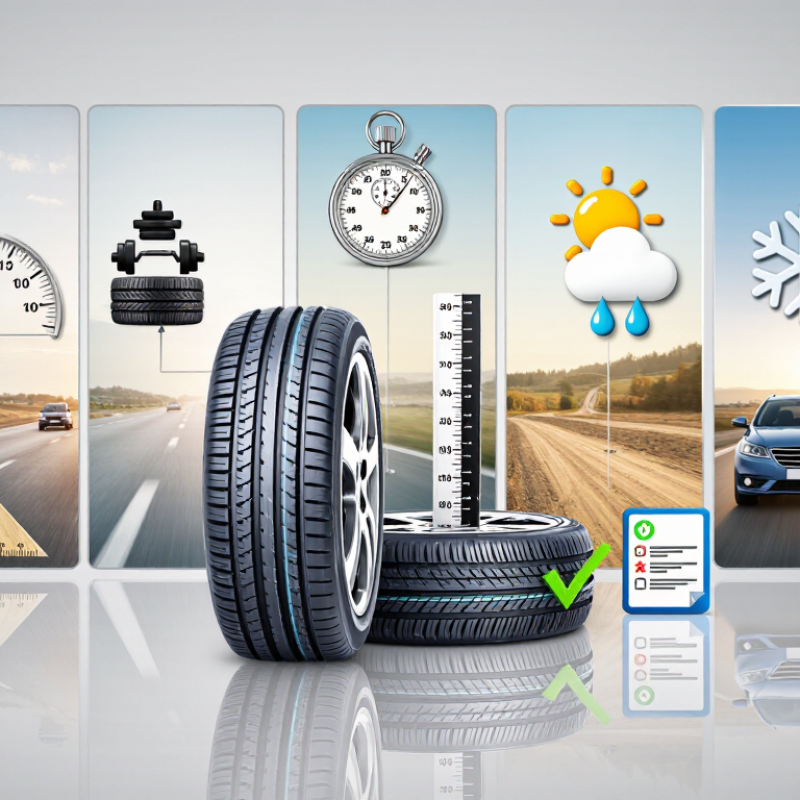
These seven car tyre buying tips connect technical specifications with practical purchasing decisions. They examine size markings, load and speed ratings, seasonal design, tread depth, manufacturing dates, certification, and after-sales support. Check the sidewall carefully. Ask for documented information. Do not trust a dramatic discount without checking storage conditions and warranty terms. A cheaper tyre can become expensive when it wears quickly. Yet premium pricing alone does not guarantee the best match. Road conditions, vehicle use, and maintenance still require honest judgment. That is the part many buying guides overlook.
7 Car Tyre Buying Tips for Global Buyers

Understanding Tyre Types, Sizes, Ratings, and Vehicle Compatibility

7 Car Tyre Buying Tips for Global Buyers

Understanding tyre types, sizes, ratings, and vehicle compatibility prevents expensive and unsafe mistakes. Fitment comes first. Start with the vehicle placard, owner’s manual, and current tyre sidewall. A marking such as 225/55 R17 97V shows width, profile, construction, wheel diameter, load index, and speed rating. The replacement tyre should meet or exceed the vehicle’s original load and speed requirements. ETRTO standards also recommend checking approved rim widths and dimensional tolerances.

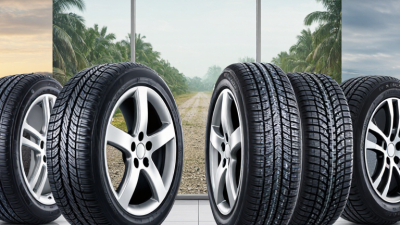
Choose the tyre type for the operating environment, not advertising language. Summer tyres suit warmer conditions, while winter tyres use compounds designed for cold temperatures. All-season tyres can offer compromise performance, but they are not automatically suitable for severe snow. Check regional rules under UNECE regulations, especially for winter markings, wet grip, rolling resistance, and noise. Tyre markings can look similar. Their meanings are not always interchangeable.

Pressure deserves equal attention. NHTSA research has reported that about one in four passenger vehicles has at least one tyre underinflated by 25% or more. That can increase heat buildup, uneven wear, and stopping distance. Check pressure when tyres are cold, using the vehicle manufacturer’s specification rather than the sidewall maximum. Measure twice. A neat online compatibility chart is helpful, but it may miss axle loads, clearance, steering angle, or modified suspension. Recheck those details with a qualified tyre professional before ordering.

Evaluating Climate, Road Conditions, and Driving Needs Worldwide

7 Car Tyre Buying Tips for Global Buyers

Climate should guide your first decision. The IPCC’s Sixth Assessment Report confirms that heavy rainfall is increasing in many regions. For tropical or monsoon areas, examine wet-grip ratings, drainage channels, and braking tests. UNECE Regulation No. 117 evaluates wet grip, rolling resistance, and external noise. These tests offer useful comparisons, but they cannot reproduce every local road. Mud changes everything. In colder regions, select rubber designed for lower temperatures. In hot deserts, check heat resistance and load capacity. A tyre that performs well in Germany may feel unsuitable on an overheated highway in Kenya.

Road surfaces deserve equal attention. Rough asphalt, gravel shoulders, potholes, and unpaved routes require stronger sidewalls and suitable load ratings. Match the tyre size and load index to the vehicle manufacturer’s specification. Never guess. Driving needs also matter: city traffic favors quiet, efficient designs, while long-distance travel demands stability and even wear. The European Commission’s tyre-label system rates rolling resistance and wet grip from A to E, helping buyers compare measurable performance. However, labels do not fully describe puncture resistance or comfort. That gap matters.

Check pressure monthly, especially before carrying heavy luggage. Underinflation can increase heat buildup and irregular wear. The U.S. Department of Energy links correct inflation with better fuel economy. Consider seasonal temperature changes, too. Cold mornings reduce pressure noticeably. A perfect all-round tyre is unlikely. I would recheck local regulations, replacement availability, and warranty support before ordering internationally. The cheapest option can become expensive after one damaged sidewall. WHO’s Global Status Report on Road Safety 2023 records about 1.19 million annual road deaths, making careful tyre selection a practical safety decision.

Comparing Tread Design, Materials, Safety, and Performance

7 Car Tyre Buying Tips for Global Buyers

Comparing Tread Design, Materials, Safety, and Performance

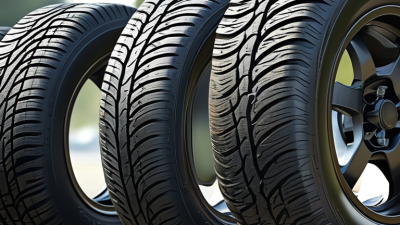
Inspect the tread pattern before checking the price. Wide grooves usually clear rainwater faster, while many small sipes can improve grip on cold roads. Look closely. A symmetrical pattern often supports quiet, even wear, but directional designs may perform better during heavy rain. Your climate should guide this choice.

Check the rubber compound and sidewall construction. Softer compounds can grip well, yet they may wear faster under hot asphalt. Reinforced sidewalls suit heavy loads, rough roads, and frequent cargo use. Confirm the load index and speed rating against your vehicle manual. Measure twice. Do not guess from tyre width alone.

Ask for test data, production dates, and safety certifications accepted in your market. In workshop inspections, I have seen new-looking tyres with poor storage damage, including tiny sidewall cracks. Inspect the bead area and tread depth under clear light. Wet roads expose weakness. Compare braking, steering response, rolling resistance, and cabin noise, not only mileage claims. A tyre that saves fuel may feel less stable with a full vehicle. That trade-off deserves honest thought. Check pressure when cold, because incorrect inflation changes contact area and heat build-up. Finally, consider replacement access and warranty support across borders. A technically excellent tyre becomes inconvenient when matching sizes are difficult to source.

7 Car Tyre Buying Tips for Global Buyers - Comparing Tread Design, Materials, Safety, and Performance

No. Buying Dimension What to Compare Evidence-Based Specifications and Practical Facts Safety Relevance Recommended Buyer Action
1 Correct Size, Load Index, and Speed Rating Compare the complete tyre marking, such as width, aspect ratio, wheel diameter, load index, and speed symbol. Tyre size is printed on the sidewall and specified by the vehicle maker. The load index identifies the tyre's maximum load capacity at the stated conditions, while the speed symbol indicates the tyre's certified maximum speed category. An incorrect load or speed rating can reduce handling stability, braking performance, and durability. Match the vehicle placard or owner's manual. Do not select a lower load index or speed rating unless approved by the vehicle or tyre authority. Fitment first
2 Tread Pattern and Drainage Compare the number and shape of grooves, lateral channels, tread blocks, and directional or asymmetric layouts. Wide circumferential grooves and lateral channels help move water away from the contact area. Directional tread patterns are designed to rotate in a specified direction, while asymmetric tyres have different inner and outer tread zones. Effective water evacuation helps reduce the risk of wet-road traction loss and aquaplaning, although speed, water depth, inflation, and tread wear also matter. Choose a pattern suited to the local climate. Confirm the rotation arrow or “outside” marking during installation. Wet-weather check
3 Tread Depth and Wear Indicators Compare the original tread depth, tread-wear indicator position, and the buyer's local legal minimum. Most passenger-car tyres include tread-wear indicators molded into the main grooves. In many jurisdictions, 1.6 mm is a common legal minimum for passenger-car tread depth, but requirements differ by country and vehicle category. Reduced tread depth generally lowers wet-weather grip and water-dispersal capacity. A tyre can also become unsuitable because of age, damage, or irregular wear before reaching the legal limit. Check local regulations, measure all major grooves, and replace tyres when wear indicators are flush with the surrounding tread or when damage is present. Inspect regularly
4 Rubber Compound and Reinforcement Materials Compare the stated use of natural rubber, synthetic polymers, silica, carbon black, steel belts, textile plies, and bead reinforcement. Silica-containing compounds are commonly used to balance wet grip and rolling resistance. Steel belts support the tread area, while textile cords and bead materials help maintain shape and transmit forces between the tyre and wheel. Compound and casing design affect braking grip, heat management, steering response, puncture resistance, and high-load stability. Evaluate the complete construction rather than relying on one material claim. Select a specification designed for the vehicle's load, climate, and road conditions. Material balance
5 Wet, Dry, Snow, and Heat Performance Compare the tyre's intended season, climate range, certification markings, and independent test results where available. Summer, all-season, and winter tyres use different tread and compound strategies. Severe-snow service is commonly identified by the three-peak mountain snowflake symbol, while the precise legal meaning of markings varies by market. A tyre optimized for one climate may perform poorly in another. Winter tyres generally retain better cold-weather flexibility than summer tyres at low temperatures. Match the tyre to the lowest temperatures, rainfall, snow conditions, and road surfaces expected in the operating region. Climate match
6 Safety Markings, Age, and Traceability Compare required conformity markings, production date code, sidewall condition, and documentation for the destination market. Many tyres use a four-digit date code in which the first two digits indicate the production week and the last two indicate the production year. Certification systems and marking requirements vary internationally. Ageing, ozone exposure, improper storage, and heat can degrade rubber even when tread depth appears adequate. Cracks, bulges, cuts, and exposed cords require immediate attention. Verify the date code, inspect the full sidewall and tread, and confirm that the product meets the destination country's regulations. Traceability matters
7 Inflation, Rolling Resistance, and Total Performance Compare recommended inflation pressure, rolling-resistance information, noise data where available, expected mileage, and warranty conditions. Correct inflation supports the intended contact patch and load capacity. Under-inflation increases rolling resistance and heat generation, while over-inflation can reduce ride comfort and alter contact with the road. Label systems and test methods differ by region. Pressure has a direct effect on braking, cornering, tyre temperature, and wear. Rolling resistance is only one performance factor and should not replace safety and fitment checks. Set pressure according to the vehicle placard, check it when tyres are cold, and compare independent test data rather than judging performance from price alone. Maintain correctly

Checking Tyre Quality, Certifications, Warranty, and Manufacturing Date

7 Car Tyre Buying Tips for Global Buyers

Check the tyre’s size, load index, speed rating, and intended road use before comparing prices. A tyre may look suitable but fail under a heavy vehicle or hot climate. Inspect the tread for even blocks, clean grooves, and no cracks around the sidewall. Press the rubber gently. It should feel firm, not brittle or unusually soft. Ask for test data covering braking, wet grip, rolling resistance, and durability. Numbers help, although laboratory results cannot fully predict every road.

Verify the required certification markings for the destination market. Request conformity documents from the seller, then compare their details with the tyre sidewall. Do not accept a scanned certificate without checking its issuing authority. Ask about the warranty period, mileage limits, exclusions, and claim procedure. A reliable warranty explains who pays for inspection, transport, and replacement. Read the small print. I once focused too much on the warranty length and missed a strict maintenance condition.

Check the manufacturing date, not only the delivery date. Tyres stored for long periods may lose performance, especially in heat, sunlight, or humidity. Confirm the date code, storage conditions, and stock rotation process. Buy from a supplier that can provide a written invoice and batch information. Check the return policy before payment. Confirm local fitment and disposal requirements as well. My mistake was assuming one market’s certification applied everywhere; it did not. Ask questions early, keep records, and inspect every tyre when it arrives.

Calculating Total Cost, Import Factors, Installation, and Maintenance

7 Car Tyre Buying Tips for Global Buyers

Calculate landed cost per tyre, not just the supplier’s quotation. Add freight, insurance, import duty, VAT, port handling, brokerage, and local delivery. UNCTAD’s Review of Maritime Transport 2024 reports that over 80% of global merchandise trade by volume moves by sea. Port delays can therefore change your final price. The World Bank’s 2023 Logistics Performance Index also highlights customs efficiency and shipment predictability. Request a written delivery term, currency, cargo insurance limit, and demurrage responsibility. Keep records.

Check the tyre’s size, load index, speed symbol, production date, and required certification. The ETRTO Standards Manual stresses correct load and speed matching for safe operation. Local labeling and disposal rules may differ, so confirm them before payment. Installation should include mounting, balancing, valve inspection, and alignment checks. A cheap installation may create vibration, uneven wear, or repeat labor costs. I have seen buyers overlook alignment because the tyres looked perfectly new. That decision was expensive. Ask for an itemized installation receipt and torque confirmation.

Maintenance protects the purchase. Check pressure when tyres are cold, rotate them according to the vehicle maker’s schedule, and inspect sidewalls monthly. The U.S. Department of Energy estimates fuel economy can decline about 0.2% for each psi of underinflation, with larger losses possible. Small leaks matter. Record pressure, mileage, tread depth, and unusual vibration. Replace tyres according to local safety requirements, not appearance alone. Seven careful checks cannot remove every risk, but they expose costs before they become surprises.