What Are the Top Car Tires for Global Buyers?
Choosing the top car tires for global buyers requires more than comparing prices or brand recognition. Roads, climates, vehicles, and driving habits vary sharply across markets. A tire that feels quiet on a German highway may perform differently on tropical roads, gravel routes, or heavily worn city streets. The right choice must fit the vehicle, not merely the advertisement.
Jonathan Benson, founder of Tyre Reviews and an experienced tire-testing specialist, offers a practical reminder: “The best tire is the one that suits your car, your driving, and your conditions.” That principle guides this overview. It shifts attention toward wet braking, dry-road control, rolling resistance, tread life, comfort, and seasonal performance. It also recognizes regional realities, including sudden rain, extreme heat, snow, and uneven pavement.
No ranking is perfect. Real-world results can change with tire pressure, wheel alignment, load, and driver behavior. Even premium car tires may disappoint when they are incorrectly sized or poorly maintained. That detail is easy to overlook. It should not be.
This guide compares leading options through a buyer-focused lens. It considers independent testing, manufacturer specifications, warranty support, availability, and long-term value. It also questions common assumptions. The most expensive tire is not always the safest choice. A budget tire is not automatically unsuitable. Global buyers need evidence, honest limitations, and a clear match between tire design and daily use. That is where informed selection begins.
What Factors Determine the Best Car Tires for Global Buyers?
For global buyers, the best car tire depends on conditions, not advertising claims.
Climate comes first. In tropical regions, intense rain demands strong wet grip and stable braking. Cold climates need rubber compounds that remain flexible. Rough roads require reinforced construction and dependable sidewalls.
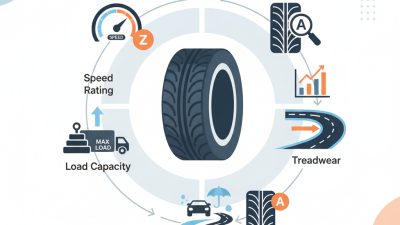
The European Commission’s tyre label rates wet grip and rolling resistance from A to E. It also reports external noise in decibels. These figures offer useful comparisons, but they cannot predict every road.
Vehicle fit matters just as much. Buyers should match tire size, load index, and speed rating with the vehicle placard. A heavier electric vehicle may need greater load capacity. A compact car used on gravel needs different protection.
The U.S. Department of Energy’s Fuel Economy Guide states that properly inflated tires can improve fuel economy by up to 3 percent. Check pressure when tires are cold. Monthly checks are sensible, though many drivers still forget.
Availability is an overlooked factor. A technically excellent tire becomes inconvenient if replacement stock is scarce locally. Examine tread depth, warranty terms, manufacturing date, and repair support.
Independent tests under UNECE Regulation No. 117 can clarify wet braking, noise, and rolling resistance. Still, testing conditions may not match your roads. I would not treat one score as absolute.
The best choice balances safety, climate, load, cost, and realistic local service.
How to Match Tire Types with Different Driving Conditions
Choosing car tires starts with the road, not the country of origin. A hot coastal city needs different rubber from a cold mountain region. Summer tires grip well on warm, dry pavement and shed rain effectively. They can become stiff in freezing weather. Winter tires use softer compounds and deeper channels for snow and ice. They need careful storage when temperatures rise.
All-season tires suit drivers facing mild winters and mixed weekly routes. However, “all-season” does not mean ideal in every season. Heavy snow, frequent ice, or desert heat may expose their limits.
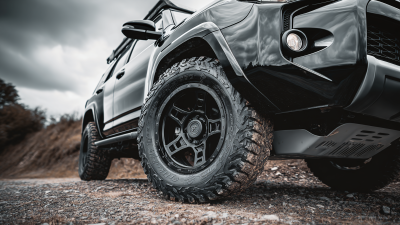
For gravel roads and rough rural tracks, all-terrain tires offer stronger sidewalls and deeper tread. They may create more road noise. Touring tires feel quieter on highways, but their tread may wear faster on sharp stones.
Check the tire’s load rating, speed rating, and size before buying. A qualified tire technician should compare these details with the vehicle manual. Local rules may also require specific winter markings or tread depths. Pressure matters too. A fully loaded car needs the manufacturer’s recommended pressure, not a guess at the fuel station. I once underestimated how quickly uneven pressure changed steering feel. That small mistake still deserves attention. Rotate tires regularly, inspect sidewalls after long trips, and replace damaged tires rather than trusting appearance alone.
How to Compare Tire Safety, Performance, Durability, and Cost
What Are the Top Car Tires for Global Buyers?
Choosing the right tire starts with safety, not appearance. Check wet-braking results, traction ratings, and the tire’s load and speed limits. A family vehicle carrying luggage needs suitable load support, especially on long motorway trips. In rainy regions, deep grooves help move water away from the contact area. However, more tread does not automatically mean better braking. Testing methods and road surfaces can produce different results.
Performance also depends on climate and driving habits. A tire designed for mild weather may harden in freezing temperatures. In hot regions, heat resistance and sidewall strength deserve closer attention. Durability can be judged through treadwear information, warranty conditions, and careful inspection of uneven wear. A simple pressure check every month can prevent premature damage. Small habits matter. Cost should include fitting, maintenance, fuel use, and replacement frequency, not only the purchase price.
Tips: Compare tires with the same size and load rating. Read independent test data from recognized safety organizations. Check the production date before buying, because rubber ages in storage. Inspect sidewalls for cuts, bulges, or cracking. Do not choose the cheapest option automatically. That decision may save money today but create higher costs later. My comparison would still be imperfect, since local roads, weather, vehicle weight, and driving style change real-world results. A quiet tire may feel comfortable, yet its wet performance deserves closer attention. Availability of replacement units also matters for global buyers.
What Are the Top Car Tires for Global Buyers?
How to Compare Tire Safety, Performance, Durability, and Cost
The European tire label provides standardized grades for wet grip and rolling resistance from A to E, and external rolling noise from A to C. Durability and purchase cost are not included in the label, so buyers should compare warranty terms, expected mileage, road conditions, vehicle requirements, and total ownership cost separately. A single tire cannot be considered “top” for every vehicle, climate, or driving style.
Reference framework: European Union tire-label categories.