How to Choose the Best Automotive Tires for Your Vehicle?
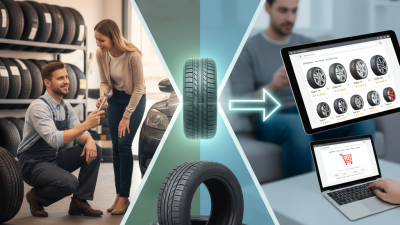
Choosing the best automotive tires for your vehicle is crucial for safety and performance. According to the Tire Industry Association, tires are a vehicle's only contact with the road, making their selection vital. A solid choice enhances handling, improves fuel efficiency, and ensures a smooth ride.
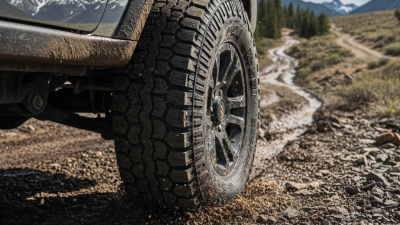
Data from the American Automobile Association indicates that improper tire selection can decrease fuel economy by 10%. This emphasizes the necessity of understanding tire specifications and types. For instance, all-season tires are practical for varied conditions, but off-road tires excel in rugged terrains.
While researching, remember that tire performance can vary. It’s not just about picking a well-known brand; understanding tread patterns and rubber compounds is necessary. Your driving habits and local climate also play a significant role in this decision. The wrong choice could lead to premature wear or even safety risks. Educating yourself on automotive tires can make a substantial difference.
Understanding Different Types of Automotive Tires Available in the Market
When selecting tires for your vehicle, it's essential to understand the various types available. All-season tires are versatile, functional in a range of climates. They offer good traction on wet and dry roads. These are often a popular choice for daily drivers.
Performance tires prioritize handling and speed. They enhance stability, especially in wet conditions. However, they may wear out faster. These tires suit sporty cars or any enthusiast seeking an edge in performance.
Winter tires are a crucial option for snowy or icy conditions. Their unique tread patterns provide superior grip. They remain flexible even in low temperatures. This means they offer better performance compared to all-season tires in winter weather. While they excel in function, switching tires seasonally requires planning and effort.
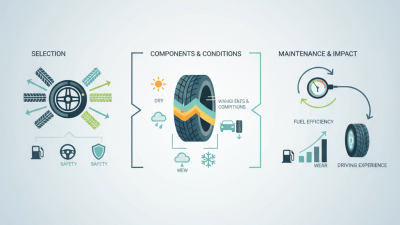
Tires are more than just rubber circles. They impact safety, fuel efficiency, and driving experience. Researching the best option for your vehicle can seem overwhelming. Each type of tire has distinct strengths and weaknesses. Understanding these can lead to more informed choices.
Evaluating Tire Specifications: What to Look For in Performance Ratings
When selecting tires for your vehicle, understanding tire specifications is crucial. Look for performance ratings such as tread wear, traction, and temperature resistance. According to the Tire Industry Association, tread wear ratings can vary from 100 to 800. A higher number indicates longer-lasting tires, which is important for high-mileage drivers.
In terms of traction, the United States Department of Transportation uses a grading scale. Tires may be rated as AA, A, B, or C. A higher rating means better wet traction, which enhances safety. Besides performance, consider the temperature grade. A tire with a hot temperature rating is reliable for high-speed driving, ensuring safety in various conditions.
Tip: Regularly check tire pressure. Proper inflation can improve fuel efficiency and extend tire life.
Choosing the right tires can be overwhelming, especially with many options available. Not all tires will perform well under every condition. Researching and comparing specifications can be time-consuming, but it's necessary. Always prioritize safety and long-term performance over immediate cost savings. Understand that a good tire is an investment, impacting both handling and comfort.
Assessing Climate and Driving Conditions: Choosing Tires for Your Environment
Choosing the right tires is crucial for optimal vehicle performance. Different climates require different tire characteristics. For instance, summer tires are excellent in warm temperatures but struggle in snow or ice. Winter tires, on the other hand, provide better grip in cold conditions. All-season tires can be versatile, but may not excel in extreme weather.
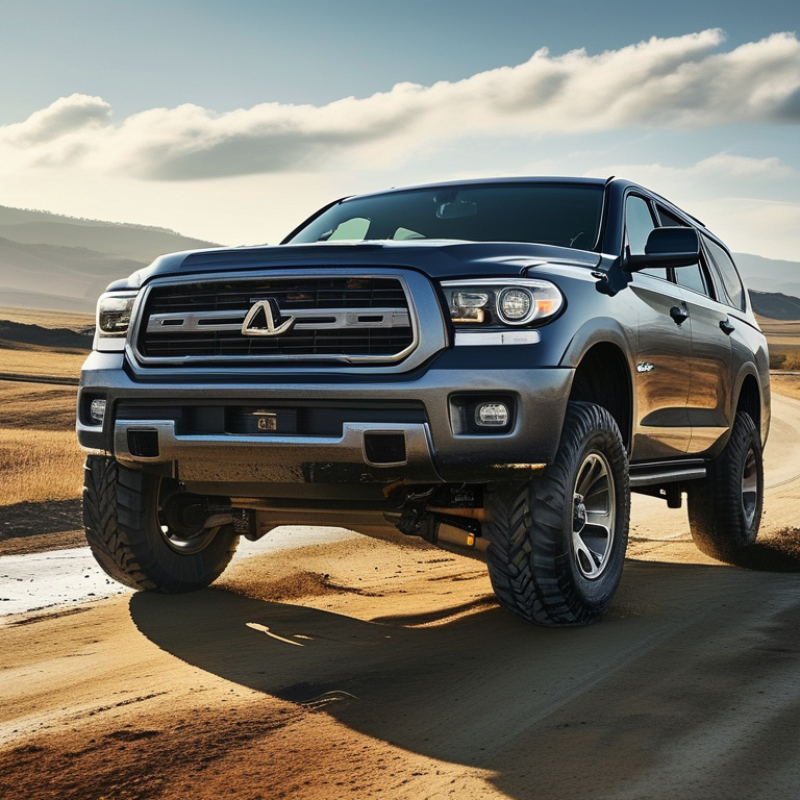
Consider your typical driving conditions. If you live in a rainy area, tires with deep grooves can help channel water away. This reduces hydroplaning risks. For mountainous regions, all-terrain tires can provide traction and stability. However, they might wear out faster on smooth highways. Understand your environment deeply; it can significantly impact tire performance.
Reflect on how often you drive and the type of roads you use. Urban drivers may prioritize comfort and noise reduction. In contrast, off-road enthusiasts need durability. It's essential to weigh these factors against your lifestyle. Sometimes, the tire that looks good on paper may not fit your needs perfectly. Embrace the trial and error process; it can lead to better choices in the long run.
Budget Considerations: Balancing Quality and Cost in Tire Selection
When selecting automotive tires, budget plays a crucial role. A well-known study by the Tire Industry Association indicates that vehicle safety and performance can be significantly affected by tire quality. Choosing lower-cost options might seem appealing, but the long-term costs can add up. In fact, high-quality tires can enhance fuel efficiency, saving you money over time.
It's important to balance cost with quality. According to a report from Consumer Reports, tires in the higher price bracket often yield better traction and durability. This can lead to fewer replacements and, ultimately, a lower total expenditure. Investing $100 more upfront on a reliable tire could reduce maintenance and fuel costs significantly over the tire's lifespan.
Navigating the tire market can be daunting. Cheap tires may perform poorly in adverse conditions, risking safety. Evaluate reviews and ratings based on real-world performance. Assessing your driving habits and environment also matters. A budget of $500 for all four tires might prompt you to choose lower tier options, but this could compromise safety and performance. Consider long-term value over short-term savings for a wiser investment.
Maintenance Tips for Extending the Life of Your Chosen Tires
Proper tire maintenance is crucial for extending the lifespan of your automotive tires. Studies show that regular tire rotations can increase tire life by up to 30%. Rotating your tires every 5,000 to 8,000 miles promotes even wear. Not following this schedule can lead to premature tire degradation.
Maintaining the correct tire pressure is equally important. Under-inflated tires can reduce fuel efficiency by up to 3%. Check your tire pressure monthly and before long trips. Investing in a quality pressure gauge pays off. Keep a consistent pressure, as recommended for your vehicle. In fact, a survey by the Rubber Manufacturers Association states that over one in four drivers forgets to check pressure regularly.
Regular inspections are vital as well. Look out for cracks, bulges, or embedded objects. A small issue can escalate if not caught early. Replace tires if tread depth falls below 2/32 of an inch. A penny test can help you evaluate tread wear. If Lincoln's head is visible, it's time for new tires. Small actions lead to safer driving and longer-lasting tires.
Maintenance Tips for Extending the Life of Your Chosen Tires