10 Tips for Buying Winter Performance Tires
Choosing the right winter performance tires is not simply a matter of finding the deepest tread. Cold roads, polished ice, packed snow, and sudden rain can expose major differences between tire designs. The U.S. Tire Manufacturers Association explains that winter tires remain more flexible below 45°F, while many all-season compounds become harder. That flexibility helps maintain contact with the road.
Industry testing supports this distinction. Tire Rack’s comparative winter tire evaluations examine snow acceleration, ice braking, wet handling, and dry-road behavior. These categories matter because winter driving rarely offers one consistent surface. A driver may leave a dry garage, cross a frozen bridge, and meet slush within minutes. Small details become important.
Transport Canada also recommends using four matching winter tires instead of installing them only on the drive axle. That guidance protects vehicle balance during braking and cornering. It is a practical point that buyers sometimes overlook.
Still, test results are not universal promises. Vehicle weight, tire pressure, wheel alignment, and driver habits can change the outcome. I have seen buyers focus on aggressive tread patterns while ignoring speed ratings or replacement dates. That is an expensive mistake.
This guide presents 10 tips for buying winter performance tires, combining manufacturer guidance, independent testing, and real-world buying considerations. It will examine rubber compounds, tread design, sizing, traction symbols, noise, durability, and cost. The goal is not to find one perfect tire. It is to choose a dependable match for your climate, vehicle, and daily roads. Performance matters. So does honesty about your driving conditions.
Understanding Winter Performance Tire Technology and Safety Benefits
10 Tips for Buying Winter Performance Tires
Winter performance tires are designed for cold roads, not only deep snow. Their rubber compound remains flexible when temperatures fall below about 7°C. That flexibility helps the tread maintain contact with wet, icy, or compacted surfaces. Look for the severe-snow certification symbol, but do not treat it as a guarantee of perfect traction.
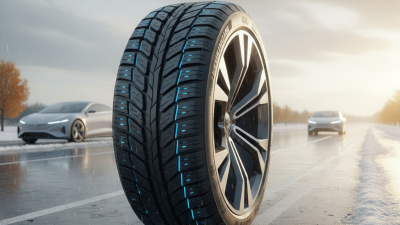
Check tread patterns closely. Dense sipes create biting edges, while directional grooves help move slush away from the contact patch. A lower speed rating may be appropriate, but it must match your vehicle’s requirements. Confirm the correct size, load index, and recommended tire pressure before purchase. Small errors matter.
I test winter tires with gentle braking in an empty, legal area. The steering should feel predictable, not magically secure. Never assume all-wheel drive shortens braking distance; it mainly helps acceleration. Replace tires when tread depth, age, or visible damage suggests reduced performance. I once trusted an older tire because its tread looked acceptable. That judgment was too casual. Temperature, storage conditions, and uneven wear can quietly weaken winter safety. Ask a qualified tire professional to inspect alignment and suspension, since worn components can undermine even advanced winter technology.
Comparing Tread Designs, Rubber Compounds, and Snow Grip
Buying winter performance tires requires more than reading a snow rating.
Inspect the tread design closely. Deep grooves help clear slush, while many small sipes create biting edges on packed snow. Directional patterns can improve water evacuation, but they may increase road noise. Choose four matching tires, not just two. Mixing tread designs can upset braking balance. Check tread depth with a gauge, not your eyes. New tires often feel sharper in cold weather. Still, aggressive tread does not guarantee safe cornering on ice.
Rubber compound matters just as much.
Winter compounds stay flexible below about 7°C, unlike many all-season compounds that harden in cold air. Press the tread with a gloved finger. It should feel resilient, not brittle. Check the tire’s age, too. Old rubber can lose flexibility before the tread looks worn.
I once focused too heavily on tread depth and overlooked aging sidewalls. That was a poor judgment. Snow grip also depends on tire pressure, vehicle weight, and driving speed.
Reduce speed before a bend, and test braking gently in an empty, safe area. Read independent test results, but consider your local conditions. Wet coastal roads need different priorities from dry, heavily packed snow.
Look for stable steering response, predictable braking, and even wear after several drives. A tire that feels impressive for one morning may become tiring after a week of cold commuting.
Evaluating Ratings, Stud Options, Durability, and Driving Conditions
10 Tips for Buying Winter Performance Tires
Buying winter performance tires starts with driving conditions, not advertisements. Count snow, polished ice, rain, dry highways, hills, and road-clearing quality. The U.S. Tire Manufacturers Association recommends checking the 3PMSF symbol for severe-snow certification. The M+S marking alone does not confirm standardized winter testing. Compare the tire’s traction, temperature, treadwear, size, load, and speed ratings. These ratings describe different risks. Treadwear is not a winter-grip guarantee.
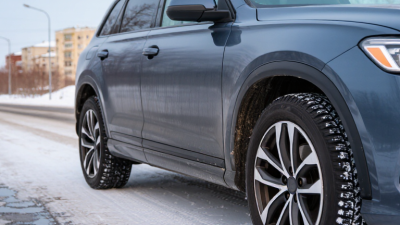
Studded tires can improve traction on glare ice, but they may feel noisy on clear pavement. They can also damage roads and face seasonal restrictions in some regions. Check local transportation rules before buying. A 2018 AAA study found winter tires delivered stronger snow performance than all-season tires, while all-season tires handled dry roads more efficiently. That trade-off matters. Perfect grip does not exist.
Durability depends on rubber aging, storage, inflation, alignment, and repeated hard braking. Check pressure monthly, especially after a sharp temperature drop. NHTSA advises following the vehicle placard, not the maximum pressure molded into the sidewall. Measure tread depth before each season, and replace tires showing cracks, uneven wear, or damaged studs. Rotate them according to the manufacturer’s schedule. Leave room for doubt. A tire that feels secure on packed snow may behave poorly on wet ice. Test gently in an empty, legal area, then reassess your choice after real winter miles.
Planning the Purchase, Installation, Maintenance, and Seasonal Storage
Tips: Plan the purchase around your local winter conditions, not the calendar alone. Frequent ice needs different traction priorities than wet, cold roads. Check your vehicle manual for approved tire sizes, load ratings, and speed ratings. Buy four matching winter performance tires when possible. Mixing types can reduce stability during braking and cornering. Inspect the production date, tread depth, and sidewalls before payment. A low price is not always a useful saving.
Tips: Schedule installation before the first serious storm. Ask the technician to inspect the wheels, valves, alignment, and suspension. Correct alignment helps protect the tread and improves steering response. Confirm the recommended cold pressure after installation. Recheck it after several cold nights. Wheel nuts should receive the manufacturer’s specified torque. Many drivers forget this detail. Drive gently for the first few hundred kilometers, especially on dry pavement, while you learn the tires’ response.
Tips: Check pressure monthly and before long trips. Look for uneven wear, cuts, bulges, or trapped stones. Measure tread depth with a proper gauge, not only by appearance. Rotate tires according to the vehicle maker’s schedule, if the tire design allows it. When spring arrives, clean and dry each tire before storage. Keep them in a cool, dark place away from sunlight, fuel, and electrical equipment. Store mounted tires upright or unmounted tires stacked carefully. I used to underestimate storage conditions; heat can quietly age rubber before the next winter.