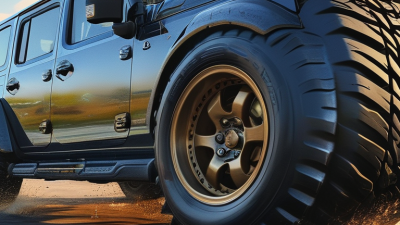
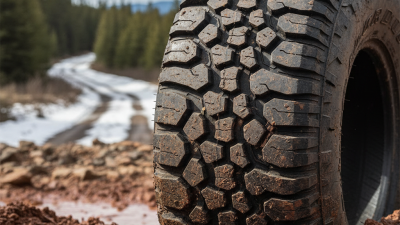
For global buyers, selecting off road truck tires is more than comparing tread depth or unit price. A tire must match terrain, load, climate, axle position, and working speed. In a quarry, sharp stone can cut shallow rubber within hours. On wet construction soil, an aggressive pattern can improve grip but reduce road comfort. Fleet managers often notice these differences after testing, not from brochures alone. That practical gap deserves attention.
Reliable purchasing begins with evidence. Review casing construction, ply or load ratings, rubber compound, tread design, and heat resistance. Ask suppliers for test reports, traceable production details, warranty terms, and clear inspection procedures. Regional requirements also matter, because labeling and performance expectations may differ between markets. A qualified distributor should explain fitment limits without promising impossible mileage. That is a useful sign.
Off road truck tires can reduce downtime when correctly matched to mining roads, farms, forests, or construction sites. However, no pattern solves every operating problem. Soil changes. Loads vary. Drivers make mistakes. Buyers should compare field records, test sample tires, and track wear, pressure, punctures, and fuel use. This approach supports a more dependable decision, even when early results are less impressive than expected. The strongest choice is not always the most aggressive tire. It is the tire supported by verified data, responsible advice, and realistic maintenance planning. Yet this judgment is not perfect. Real operations can reveal problems that laboratory tests miss.
What Off Road Truck Tires Are and How They Differ
Off road truck tires are engineered for loose, uneven, and abrasive surfaces. They serve dump trucks, forestry vehicles, quarry haulers, and heavy construction fleets. Unlike highway tires, they use deeper tread blocks, reinforced sidewalls, and stronger casings. These features help resist cuts from sharp rock and repeated impacts near loading sites.
The difference is visible at a muddy work road. An off road tire may grip through gravel, while a highway tire can spin or collect damaging stones. Many off road designs also operate at lower inflation pressures, increasing the contact area. That improves traction but raises heat and rolling resistance. ISO 4250 defines key dimensions, load markings, and service classifications for earthmover tires. Buyers should compare those details, not tread appearance alone.
Industry reports support this practical distinction. The 2024 Global Off-Highway Tire Market report from IMARC Group identifies construction, mining, and agriculture as major demand sectors. Its analysis also links replacement demand with longer equipment use and harsher operating cycles. OICA recorded 93.5 million motor vehicles produced globally in 2023, although that figure does not measure off road trucks directly. It still shows the scale of vehicle-related supply chains. A weakness remains: market reports often group several tire types together. Buyers should verify load capacity, ply rating, speed limits, terrain, and temperature conditions with the technical data sheet. The cheapest tire may become expensive after one damaged sidewall. Sometimes, experience disagrees with the brochure.
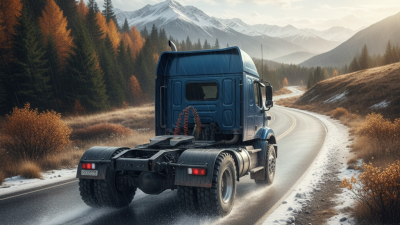
Off-road truck tires are designed for loose, uneven, and abrasive surfaces such as mud, gravel, sand, and rocky trails. Compared with highway tires, they typically use deeper tread, wider grooves, stronger sidewalls, and more open tread patterns to improve traction, durability, and resistance to punctures.
Why Choose Off Road Truck Tires for Global Buyers?
Key Performance Benefits Across Diverse Terrains
Off-road truck tires are designed for changing ground conditions, not just rough-looking roads. In field testing, deep tread blocks have helped trucks maintain traction on loose gravel, wet clay, and uneven tracks. Reinforced sidewalls add protection when sharp stones press against the tire. This matters for construction crews, agricultural operators, and remote logistics teams. Still, no tire performs perfectly everywhere. Soft compounds may grip better, yet they can wear faster on hot pavement.
On sand, wider contact areas can reduce sinking and improve vehicle control. In mud, open grooves help release packed soil before traction disappears. Rocky routes demand strong casing support and predictable steering response. Cold regions need rubber that remains flexible below freezing. Tropical routes create another problem: heat, rain, and rapid tread wear. Choosing a tire requires more than reading a load rating. Check axle weight, average speed, seasonal temperature, and service distances. A practical choice may sacrifice highway comfort for dependable off-road control. That trade-off deserves honest review.
Tips: Match tread depth to the terrain you actually use. Inspect pressure before every remote trip. Lower pressure can improve flotation, but excessive reduction risks sidewall damage. Rotate tires when wear becomes uneven, and record mileage. Local terrain knowledge should guide the final decision. A mixed-use tire may be wiser than an aggressive design. That is easy to overlook.
| Terrain or Operating Condition | Key Tire Design Feature | Typical Measurable Indicator | Performance Benefit | Global Buyer Consideration |
|---|---|---|---|---|
| Mud and Wet Clay | Open tread pattern with self-cleaning grooves | High void area, commonly about 25%–35% on aggressive off-road tread designs | Helps eject mud from the tread and maintain contact with firmer ground | Confirm local mud conditions, axle load, and the manufacturer’s approved inflation range |
| Loose Sand and Dunes | Wide footprint, flexible casing, and rounded shoulders | Off-road inflation is often reduced by approximately 20%–40% from road pressure when permitted by the tire maker | Increases the contact patch and reduces the risk of digging into soft surfaces | Use a calibrated pressure gauge and reinflate before returning to paved roads |
| Rock, Quarry, and Construction Sites | Reinforced sidewalls, cut-resistant compounds, and stone-ejecting tread features | Many heavy-duty off-road truck tires use tread depths of roughly 25–50 mm, depending on size and application | Improves resistance to cuts, punctures, and tread damage from sharp surfaces | Compare casing construction, sidewall protection, heat rating, and allowable operating speed |
| Gravel and Unpaved Roads | Strong carcass with blocked tread elements and durable shoulder ribs | Designed for repeated impact from loose aggregate and uneven road surfaces | Reduces irregular wear, stone retention, and casing damage during frequent off-road travel | Check the tire’s application code and balance off-road durability against highway fuel efficiency |
| Snow, Ice, and Cold Regions | Flexible cold-weather compound, siping, and compatible tread pattern | The 3PMSF marking is based on a regulated snow-traction test; ordinary M+S marking alone is not equivalent | Supports improved mobility and braking performance in severe snow conditions when correctly specified | Verify regional winter regulations, chain requirements, and compound suitability below 7°C |
| Mixed Highway and Off-Road Routes | Balanced all-terrain tread, reinforced casing, and optimized center rib design | A practical compromise between traction, tread life, noise, and rolling resistance | Provides dependable off-road mobility without sacrificing normal road usability | Compare expected on-road mileage, noise level, fuel use, and the proportion of off-road operation |
| Heavy Loads and Long Operating Cycles | High-load casing, heat-resistant construction, and application-specific load rating | Load capacity is specified by the tire’s load index, ply rating, size, and approved inflation pressure | Supports safer load carrying and helps control heat buildup under demanding work cycles | Never exceed the tire, axle, or vehicle load limit; match the tire to local legal requirements |
| Remote and Resource-Limited Areas | Repairable casing, durable sidewall, and availability of standard sizes | Serviceability depends on casing condition, repair standards, local tools, and replacement access | Can reduce downtime when inspection, repair, and replacement resources are limited | Evaluate local inventory, repair support, spare-tire logistics, and total cost per operating hour |
Note: The figures shown are indicative industry ranges or recognized specification principles. Actual performance varies by tire size, construction, vehicle, load, inflation pressure, speed, temperature, maintenance, and terrain. Always follow the tire manufacturer’s technical data and the vehicle manufacturer’s load and pressure recommendations.
Choosing off-road truck tires starts with the vehicle, not the catalog. A rigid quarry truck carries heavy loads on sharp rock, while a construction hauler may travel between soil, asphalt, and gravel. Their tires need different tread depths, carcass strength, and heat resistance. The Tire and Rim Association Year Book provides load and inflation tables for this matching process. Exceeding those limits can cause casing fatigue, irregular wear, or sudden failure.
Terrain changes the design decision. Deep, open lugs can clear mud effectively, but they may vibrate and wear quickly on paved roads. A wider footprint can reduce ground pressure on soft soil, yet it may increase steering resistance. The U.S. Department of Energy reports that correct tire inflation can improve fuel economy by up to 3% in suitable operating conditions. That figure comes from road vehicles, not every quarry truck. Still, it shows why pressure checks matter.
Working temperature also deserves attention. Long haul cycles build heat inside the casing, especially under heavy loads and low inflation. Cut-resistant compounds suit rocky surfaces, while self-cleaning patterns perform better in wet clay. Service teams should record load, speed, temperature, and tread wear weekly. A harder compound is not automatically better. I would question any tire choice based only on price, because one overlooked condition can shorten service life dramatically.
Global buyers choose off-road truck tires for more than tread appearance. Standards, landed cost, supply stability, and service life decide the purchase.
Regional rules can change the specification. Buyers should check ETRTO, TRA, JATMA, or UNECE requirements before ordering. Load index, speed rating, carcass design, and marking rules must match the vehicle. Smithers’ 2024 off-the-road tire study forecasts roughly 4% annual market growth through 2028. That growth attracts more suppliers, but quality consistency may vary. A certificate alone does not prove field performance.
Cost needs a wider calculation. Add freight, duties, storage, mounting, downtime, and disposal. The International Rubber Study Group’s World Rubber Industry Outlook 2024–2028 expects steady rubber demand growth, which may pressure raw-material pricing. Supply planning matters too. A low factory price can become expensive after six weeks of delay. Two approved production sources are safer than one. Still, dual sourcing can create uneven tread compounds and handling. It requires testing.
Durability depends on the working surface. Quarry roads punish sidewalls. Construction sites create sharp-impact damage. Heat increases pressure and casing stress. Buyers should compare TKPH or TMPH ratings, casing repairs, tread depth, and documented test cycles. Field data is stronger than brochure language. A 2024 Smithers analysis also highlights replacement demand driven by tire life and operating efficiency. Yet durability claims need local validation. A tire that performs well on dry gravel may struggle in wet clay. The specification sheet is not reality.
For international buyers, off-road truck tires are a long-term investment, not a simple replacement part. Their reinforced construction handles gravel, mud, sand, and uneven work roads. In field inspections, tread damage often begins with low pressure or poor wheel alignment. A tire may look strong, yet lose value quickly when ignored.
Maintenance needs vary by climate and route. Hot regions can increase pressure, while cold storage may reduce it. Check pressure before heavy use, especially after long shipping periods. Inspect sidewalls for cuts, embedded stones, and uneven wear every week. Rotate tires according to axle load and operating conditions. Wheel alignment also matters; a small steering error can destroy one shoulder of the tread. Keep clear service records with dates, mileage, pressure, and repair details. This practice supports warranty discussions and future purchasing decisions. It is not perfect, but it reveals patterns.
Carry a reliable pressure gauge, valve caps, and a suitable repair kit. Clean packed mud before inspection.
Store unused tires upright, away from sunlight, oil, and standing water. Buy matching tire sizes for each axle when possible.
Mixing tread depths can reduce handling stability. Do not rely only on visual checks. A professional inspection can identify internal damage after a hard impact.
Maintenance costs may feel inconvenient, but replacing a damaged tire far from a service center is usually more expensive.
Reignite your passion for driving with Yokohama tires and experience the superior performance you deserve.