For global drivers, shop tires online can turn a difficult purchase into a clearer comparison. Digital stores display size, load index, speed rating, tread pattern, and production date. These details matter when a vehicle travels through rain, heat, snow, or rough rural roads. Fit matters.
The global tire market remains substantial and highly competitive. Grand View Research estimated the automotive tire market at about USD 237 billion in 2023, with continued growth expected through 2030. Meanwhile, the European Tyre and Rubber Manufacturers’ Association regularly reports replacement-tire demand across major European markets. These reports show why international buyers need more than the lowest listed price. They need dependable specifications, transparent shipping, and verified sellers. A tire that looks affordable may become expensive after freight, duties, installation, or return costs. Not always obvious.
Online buying also supports more informed decisions. Buyers can compare independent brands with established manufacturers, review warranty terms, and check whether products follow relevant UNECE, DOT, or other regional requirements. However, marketplace labels can be incomplete or confusing. A professional seller should explain compatibility, seasonal performance, warehouse location, and manufacturing date. The U.S. Tire Manufacturers Association emphasizes tire maintenance, correct inflation, and matching tires to vehicle requirements. That guidance remains essential after checkout.
There is a practical weakness here. Online convenience cannot replace a qualified inspection of suspension, alignment, or existing tire damage. Buyers should confirm vehicle records before ordering. With careful research, shop tires becomes a useful global purchasing method, not merely a faster transaction.

Understanding the global online tire marketplace requires more than comparing prices. The U.S. Census Bureau reported $1.19 trillion in retail e-commerce sales during 2024. That figure represented 16.1% of total U.S. retail sales. Tire buyers now expect similar convenience across borders. Online platforms offer wider size selection, transparent specifications, and access to regional inventory. However, global purchasing remains uneven. Delivery costs, import duties, fitting services, and local safety requirements can change the final price significantly. McKinsey’s tire industry analysis also identifies digital sales and data-driven services as important growth areas. The opportunity is real, but it is not perfectly transparent.
Tips: Check the tire size, load index, speed rating, production date, and warranty terms. Confirm whether the quoted price includes shipping and taxes. Ask for a nearby certified installer before paying. A cheap tire without practical fitting support may become expensive quickly. Compare at least three sellers, and save the product page for reference.
The International Trade Centre reports that online cross-border trade still suffers from inconsistent product and customs data. This matters when identical-looking tires have different regional specifications. Buyers should verify certification markings accepted in their destination market. They should also review return conditions for oversized goods. I have found that delivery estimates can be optimistic, especially during seasonal demand. That weakness deserves attention. Reliable marketplaces should show stock location, manufacturing date, seller identity, and clear dispute procedures. Convenience matters, but informed verification matters more.

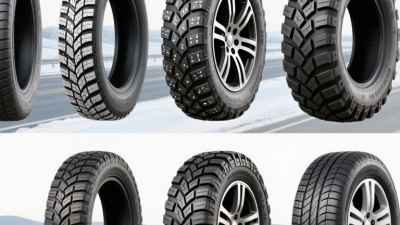
Shopping for tires online gives global buyers more choices, but comparison requires careful reading. Tire type should match the driving environment. Summer tires offer strong dry-road grip, while winter tires use softer rubber for cold, icy roads. All-season tires suit moderate climates, but they may compromise in extreme heat or snow. Touring tires usually favor quiet comfort. All-terrain designs trade some road smoothness for gravel and uneven surfaces.
Size markings carry important information. A code such as 225/55 R17 97V shows width, aspect ratio, construction, rim diameter, load index, and speed rating. Buyers should match the vehicle handbook, not simply copy a photo online. Load capacity matters when carrying passengers or cargo. A higher speed rating is not automatically safer for every vehicle.
Brand comparisons should include independent test results, warranty terms, production date, and seller history. Performance labels can show wet braking, fuel efficiency, and external noise, although testing methods differ between regions. I once focused too much on price and overlooked an older manufacturing date. That was avoidable. Check sidewall photos, return conditions, and storage information before paying. Real-world reviews help, but they can be incomplete. Look for repeated reports about steering response, tread wear, vibration, and wet-road control. Small details matter. A tire that looks identical online may perform differently because of its compound, construction, or regional specification.
Why Shop Tires Online for Global Buyers?
Online tire shopping makes price comparison faster, but the displayed price is rarely the final cost. I compare a complete four-tire order, not one tire. The calculation should include the tire price, currency conversion, insurance, and delivery charges. A low listing can become expensive after customs duty, value-added tax, brokerage fees, port handling, and local delivery. These charges vary by destination, tire size, origin, and tariff classification.
Shipping deserves equal attention. UNCTAD’s Review of Maritime Transport reports that over 80% of global merchandise trade by volume moves by sea. Sea freight may suit bulk orders, but delivery can take several weeks. Air shipping is quicker, yet its chargeable weight can be painful for heavy tires. I check door-to-door terms, tracking, estimated arrival dates, and damage procedures. “Free shipping” needs scrutiny. It may exclude remote-area fees or import clearance.
The World Bank’s Logistics Performance Index 2023 gathered responses from logistics professionals across 139 economies. Its findings show major differences in customs efficiency, infrastructure, and shipment timeliness. Those differences affect the real buying experience. Before payment, I request a landed-cost estimate and verify the manufacturing date, load rating, speed rating, and required documents. My first comparison can still be wrong if exchange rates move or customs reassesses the shipment. That uncertainty deserves a small budget buffer. Painfully practical.
Shopping for tires online can widen product choice, but trust requires deliberate checking. UNCTAD’s Digital Economy Report 2021 found online retail’s share rose from 16% in 2019 to 19% in 2020. More choice also creates more uncertainty. Check the seller’s physical address, registration details, customer service response, and independent reviews. A polished webpage proves little. Payment protection and a clear return process matter more.
Product authenticity needs physical evidence. Request sidewall photographs showing the Tire Identification Number, size, load index, speed rating, and manufacturing date. The U.S. National Highway Traffic Safety Administration explains that the final four TIN digits identify the production week and year. Compare those details with the invoice. Never rely on a copied catalog image.
Baymard Institute’s 2024 analysis of 49 studies reports an average cart abandonment rate of 70.19%; unclear costs and weak trust commonly affect checkout decisions. I still find one weakness here: reviews can be genuine, but they may describe a different batch or seller experience.
Tips: Save screenshots of the listing, warranty, and delivery promise before paying. Ask whether the warranty covers defects, tread wear, installation damage, or road hazards. Check mileage limits, claim deadlines, exclusions, and who pays return shipping. Confirm whether the warranty applies in your country. A low price can become expensive after taxes, fitting, storage, or rejected claims.
Buying tires online can be convenient for global buyers, but secure purchasing requires careful checks. Confirm the tire size, load index, speed rating, production date, and vehicle requirements before paying. A tire may look correct while having an unsuitable rating. I have seen buyers focus on price and overlook these details. That mistake can create fitting problems and extra delivery costs.
Tips: Use a secure website with HTTPS and clear business information. Check independent customer feedback, return conditions, warranty terms, and payment protection. Request a formal invoice showing tire specifications, quantity, shipping fees, and taxes. Ask whether the tires are new, properly stored, and legally suitable for your destination. Keep every message and receipt.
Delivery should be planned as carefully as the purchase. Confirm the shipping address, contact number, package count, tracking method, and estimated arrival date. Customs rules and import charges differ by country, so verify them through official local sources. When the shipment arrives, inspect the packaging before signing. Photograph damaged cartons, incorrect sizes, or unclear date codes immediately. Do not install a tire that appears damaged. A professional technician should check balance, valve condition, and fitment after delivery. Online shopping saves time, but rushed verification can remove that advantage.
| Purchase Stage | Key Information to Check | Recommended Buyer Action | Security or Compliance Measure | Delivery Evidence | Expected Result |
|---|---|---|---|---|---|
| 1. Product Selection | Tire size, load index, speed rating, season type, tread pattern, and vehicle compatibility. | Compare the tire specifications with the vehicle handbook or the marking on the current tire. | Confirm that the listing provides complete specifications and a clearly stated manufacturing date or date-code policy. | Product specification page and order summary. | Correct specification identified |
| 2. Tire Age Verification | The tire identification code generally includes the week and year of manufacture. | Ask how the date code will be supplied and check the delivered tires before installation. | Use written confirmation for any maximum-age requirement before payment. | Photograph of the tire sidewall and date code, when available. | Manufacturing information documented |
| 3. Seller and Listing Review | Return terms, warranty scope, stock status, customer support details, and total landed cost. | Read the terms carefully and save a copy of the product page, quotation, and checkout conditions. | Check that contact information, refund conditions, and dispute procedures are visible before ordering. | Saved quotation, invoice, and order confirmation. | Purchase terms understood |
| 4. Secure Checkout | Item price, shipping charge, taxes, customs duties, currency, and final payable amount. | Review the complete total and verify the shipping address before submitting payment. | Use an encrypted checkout connection and a payment method that provides transaction records and dispute options. | Payment receipt and transaction reference. | Payment successfully authorized |
| 5. Order Confirmation | Quantity, tire specifications, delivery address, contact number, and estimated dispatch date. | Check every order detail immediately and report discrepancies in writing. | Keep the order number and all written communications until the return or warranty period ends. | Formal order confirmation and commercial invoice. | Order details finalized |
| 6. International Shipping | Transport method, package quantity, delivery terms, customs responsibility, and destination restrictions. | Confirm who handles import clearance, duties, and taxes in the destination country. | Provide accurate consignee information and required import documents to reduce clearance delays. | Dispatch notice, packing list, and shipping reference. | Shipment released for transit |
| 7. Tracking and Customs | Shipment status, customs notifications, requested documents, and possible storage charges. | Monitor the tracking record and respond promptly to customs or carrier requests. | Use official tracking information and avoid sending payment details through unverified messages. | Tracking events, customs documents, and clearance confirmation. | Shipment cleared or progressing |
| 8. Delivery Inspection | Quantity, visible damage, sidewall condition, tread condition, and specification markings. | Inspect and photograph the tires before signing for an apparently damaged shipment. | Record exceptions on the delivery receipt and notify the seller or carrier within the stated claim period. | Delivery receipt, photographs, and damage report if required. | Goods received and condition recorded |
| 9. Installation and After-Sales Support | Mounting suitability, balancing, valve condition, inflation pressure, and vehicle alignment. | Have the tires installed by a qualified professional and retain the installation documentation. | Follow the vehicle manufacturer's pressure guidance and the tire maker's safety instructions. | Installation invoice and maintenance record. | Tires ready for safe use |
Reignite your passion for driving with Yokohama tires and experience the superior performance you deserve.