Top 10 Things to Know Before You Purchase Tires

Before you purchase tires, pause beside your vehicle and look beyond the price tag. Your tires influence braking, steering, fuel use, ride comfort, and wet-road control. They also carry your vehicle’s weight through heat, rain, potholes, and sudden stops.

Dan Zielinski, a senior vice president at the U.S. Tire Manufacturers Association, has emphasized, “The only thing connecting your vehicle to the road is your tires.” That simple statement deserves attention. Tire choice is not merely a shopping decision. It is a safety decision.

This guide examines ten practical points before you purchase tires. You will learn how to read tire size markings, check the vehicle placard, compare load and speed ratings, and recognize suitable tread patterns. We will also consider tire age, seasonal conditions, road habits, warranties, installation quality, and total ownership cost.

A cheaper tire may seem sensible. Sometimes it is not. A premium tire may also exceed your real needs. That is where careful judgment matters.

Look closely at the tread. Notice the rubber’s condition. Think about your roads.

The right tire should match your vehicle, climate, driving style, and budget. It should also come from a trustworthy seller who explains the product clearly. Still, no checklist removes every uncertainty. Tire technology changes, and drivers sometimes overlook small details. Use these ten points as a practical starting point, then confirm recommendations with your vehicle manufacturer, a qualified tire professional, and the tire maker’s specifications.
Top 10 Things to Know Before You Purchase Tires

Identify the Correct Tire Size and Vehicle Specifications

Before purchasing tires, identify the exact size listed for your vehicle. Look on the driver-side door label, owner’s manual, or current tire sidewall. A marking such as 225/60R17 contains important information. The first number is tire width in millimeters. The second is aspect ratio, while R indicates radial construction. The final number identifies the wheel diameter in inches. Do not guess from appearance. A tire that looks close may still change handling, clearance, or speedometer accuracy.

Check the load index and speed rating, not only the size. The load index shows how much weight one tire can support under specified conditions. The speed rating indicates the tire’s tested speed capability. Your replacement should meet or exceed the vehicle manufacturer’s requirements. Also confirm whether your vehicle uses standard, reinforced, or temporary spare specifications. Electric and heavily loaded vehicles may require different load capacity. I once focused on width and overlooked the load index. That was a useful mistake, but not one to repeat.

Vehicle specifications extend beyond the tire label. Note the recommended cold inflation pressure, wheel width, axle load, and permitted tire combinations. Check whether front and rear sizes differ. Some vehicles require matching tires on one axle, especially with all-wheel-drive systems. A professional inspection can reveal bent wheels, worn suspension parts, or uneven alignment. Measure tread wear and inspect for cracks before copying the old setup. Online listings can contain errors, so compare every number with the manual and door label.

Compare Tire Types, Tread Patterns, and Seasonal Performance

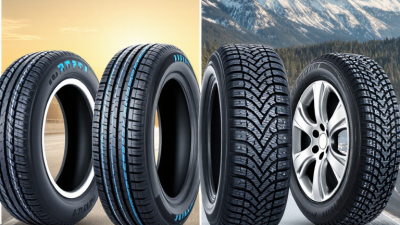
Tire type determines how confidently a vehicle handles changing roads. Summer tires use softer compounds for warm asphalt and sharper cornering. Winter tires remain flexible below 7°C, helping traction on snow and icy surfaces. All-season tires offer convenience, but they compromise in serious heat or deep snow. The choice should match your climate, not just your calendar. The European Commission’s 2023 tyre-labelling evaluation links wet-grip ratings with measurable braking differences, although labels cannot predict every road condition.

Tread patterns matter more than appearance. Symmetrical patterns usually provide quiet, even wear. Directional grooves move standing water away from the contact patch. Asymmetrical designs balance dry cornering with wet-weather drainage. Look closely. A tire with wide channels may resist hydroplaning, but it can feel less precise on dry pavement. NHTSA advises replacing tires at 2/32 inch of remaining tread, while many safety specialists recommend earlier replacement for frequent rain. I once trusted tread depth alone. That was too simple.

Seasonal matching also affects stopping distance, steering response, and road noise. Check the tire label, then compare compound, load rating, speed rating, and temperature range. The U.S. Tire Manufacturers Association’s tire-care guidance recommends monthly pressure checks and inspection before long trips. Pressure changes with temperature, so a cold morning reading matters. Rotate tires according to the vehicle maker’s schedule. Uneven wear may reveal alignment or suspension problems, not poor tire quality. The honest part is this: no tread pattern fixes careless pressure checks.

Top 10 Things to Know Before You Purchase Tires

Compare tire types, tread patterns, and seasonal performance before choosing a set. Tread depth is shown in 32nds of an inch and represents common new-tire ranges; actual specifications vary by tire design.

Winter tires typically use deeper tread and dense sipes to improve traction in cold, snowy conditions. All-season tires provide a broader balance across changing weather, while summer tires generally prioritize warm-weather handling. All-terrain tires commonly use deeper, more open tread patterns for loose surfaces, but may create more road noise. Replace tires when tread reaches the legal minimum of 2/32 inch, and inspect them regularly for uneven wear, cracking, or damage.

Evaluate Tread Life, Safety Ratings, and Driving Conditions

Top 10 Things to Know Before You Purchase Tires

Tread life is more than a mileage estimate. Your road surface, alignment, tire pressure, and driving style can change it sharply. Check the tread pattern for even wear, especially along the shoulders. Uneven wear may reveal suspension or alignment problems before a new tire is installed. Tread depth also matters, but it cannot show rubber aging or hidden damage. A tire can look acceptable and still feel harsh, noisy, or less secure in rain.

Safety ratings deserve careful reading. Compare wet braking, handling, temperature, load capacity, and speed ratings from reliable testing sources. Do not choose a tire by price alone. A lower-cost option may require longer stopping distances on wet roads. Ratings can also differ by country, so confirm the official testing standard. Driving conditions should guide the decision. Frequent rain calls for strong wet grip, while snow requires suitable winter performance. Hot highways demand the correct load and speed capacity.

Tips: Write down your usual routes. Include potholes, gravel, steep hills, and heavy traffic. Check pressure monthly, when tires are cold. Inspect them before long trips. Ask a qualified technician to measure tread depth and inspect the sidewalls. I once underestimated how quickly uneven wear could develop. That mistake made the tire feel unstable before its tread appeared finished. Recheck your assumptions. Your quiet local commute may not reflect weekend driving conditions.

Calculate the Full Cost of Tires, Installation, and Maintenance

Before purchasing tires, calculate the installed cost, not only the shelf price. Request a written quote covering four tires, mounting, balancing, valve stems, taxes, disposal fees, and any TPMS service. Ask about alignment too. Uneven tread wear can make a new set perform poorly within months. NHTSA recommends checking tire pressure monthly and replacing tires at 2/32-inch tread depth. Those checks cost little, but neglect becomes expensive quickly.

Maintenance belongs in the budget. The U.S. Department of Energy reports that correctly inflated tires can improve fuel economy by about 0.6% on average, and by up to 3%. That saving is modest, but it accumulates across thousands of miles. Include rotations, puncture repairs, seasonal storage, and future alignment checks. A tire rated for 60,000 miles may not reach that distance on rough roads, overloaded vehicles, or misaligned wheels. The mileage estimate is not a promise. It is easy to overlook this uncertainty.

Keep a small reserve for unexpected damage. A pothole can turn a planned purchase into a same-day replacement. Also compare warranty conditions, because coverage may require documented rotations and pressure checks. A simple spreadsheet helps: purchase cost, installation, fuel impact, maintenance, and replacement timing. I would not trust the cheapest quote until every fee is visible.

Verify Tire Age, Warranty Coverage, and Professional Fitment

Before purchasing tires, verify their actual age, not just the condition of the tread. Check the four-digit date code molded into the sidewall. The first two digits show the production week, and the last two show the year. A tire can look unused but still have spent years in storage. Rubber hardens over time, especially after exposure to heat and sunlight. Ask the seller for the date code before payment. Keep the invoice, too.

Warranty coverage deserves equal attention. Read the written terms for treadwear limits, road-hazard protection, workmanship defects, and replacement conditions. Some warranties require regular rotation records or exclude damage from potholes, overloading, and incorrect inflation. Confusing language is a warning sign. Ask direct questions. If the answer is vague, reconsider the purchase.

Professional fitment is more than matching the wheel diameter. A qualified technician should confirm tire size, load rating, speed rating, clearance, and vehicle compatibility. They should also inspect the wheels, set inflation pressure, and check the tire-pressure monitoring system. Alignment may be needed if the old tires showed uneven wear. I once underestimated that detail, and uneven wear returned sooner than expected. A professional installation costs more, but a rushed fit can create vibration, poor handling, or premature damage. Small details matter.

Top 10 Things to Know Before You Purchase Tires: Verify Tire Age, Warranty Coverage, and Professional Fitment
No. Purchase Consideration What to Verify Why It Matters
1 Tire Age Check the date code
Inspect the complete date code molded into the tire sidewall. The final four digits generally identify the production week and year; for example, “2425” indicates the 24th week of 2025.
Rubber compounds age over time, even when a tire has little or no mileage. Confirm the production date before purchase and avoid accepting tires older than expected for your needs.
2 Correct Tire Size Match the vehicle specification
Compare the proposed size with the vehicle placard, owner’s manual, or approved fitment information. Check width, aspect ratio, wheel diameter, construction type, and any required service description.
The correct size supports proper handling, clearance, speedometer accuracy, braking performance, and compatibility with the vehicle’s suspension and wheels.
3 Load Capacity and Speed Rating Meet or exceed the required ratings
Verify the tire’s load index and speed symbol against the vehicle manufacturer’s requirements. Do not choose a lower rating unless specifically approved for the vehicle.
Load and speed ratings indicate the conditions under which a tire is designed to carry weight and operate safely. Incorrect ratings can affect stability, durability, and control.
4 Warranty Coverage Read the written terms
Review coverage for workmanship, materials, tread wear, road hazards, adjustments, mileage limitations, exclusions, claim deadlines, and required maintenance records.
Tire warranties differ substantially. Understanding the terms helps you determine what is covered, what is excluded, and what documentation may be needed for a claim.
5 Professional Fitment Use qualified installation
Have the tires installed by a trained technician using suitable mounting equipment. Request wheel balancing, valve inspection or replacement, and torqueing to the vehicle manufacturer’s specification.
Proper installation reduces the risk of bead damage, vibration, uneven wear, air leaks, and improperly tightened wheel fasteners.
6 Vehicle Compatibility Check clearance and system requirements
Confirm compatibility with the vehicle’s wheels, brakes, suspension, fenders, spare tire, all-wheel-drive system, and tire-pressure monitoring system.
A tire that fits the wheel may still be unsuitable for the vehicle. Incorrect fitment can cause rubbing, system faults, drivetrain stress, or reduced handling control.
7 Driving Conditions Select the appropriate performance type
Consider climate, rainfall, snow or ice, highway use, city driving, unpaved roads, towing, heavy loads, and seasonal temperature changes.
Tread design and rubber formulation affect wet grip, snow traction, noise, ride comfort, handling, and expected service life. No single tire performs best in every condition.
8 Tread and Construction Compare the specifications
Review tread pattern, tread depth, construction type, sidewall strength, rolling resistance, and any severe-snow or temporary-use markings relevant to your vehicle.
These characteristics influence traction, fuel consumption, steering response, durability, and performance on different road surfaces.
9 Total Installation Cost Ask for an itemized quote
Confirm whether the price includes mounting, balancing, valve components, tire-pressure sensor service, disposal fees, taxes, alignment inspection, and any applicable service charges.
An itemized estimate prevents unexpected costs and makes it easier to compare complete purchase-and-installation packages accurately.
10 Maintenance After Purchase Plan ongoing inspections
Maintain inflation pressure according to the vehicle placard, inspect for damage, rotate tires when appropriate, monitor tread wear, and schedule alignment checks if the vehicle pulls or wears tires unevenly.
Correct maintenance supports traction, handling, fuel efficiency, even wear, and longer tire service life. Pressure should be checked when the tires are cool.