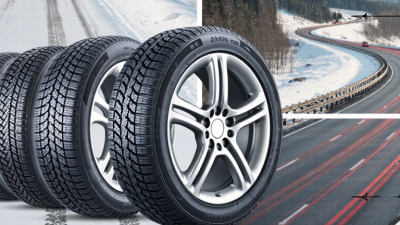
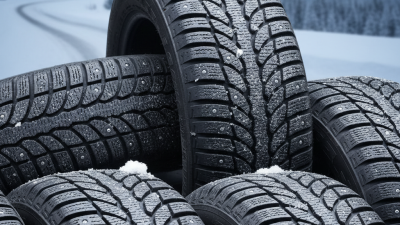
2026 Best Winter Tires for Global Buyers?
Choosing the best winter tires in 2026 requires more than comparing prices or tread photographs. The phrase “tires winter” covers different needs across Canada, Northern Europe, Japan, the United States, and mountain regions. Snow depth, wet roads, freezing rain, driving speed, and local temperatures all change the buying decision. A tire that performs confidently on packed snow may feel less precise on warm, rainy highways.
Industry evidence supports a temperature-based approach. Tire Rack testing and consumer evaluations consistently show that dedicated winter compounds remain more flexible in cold conditions. Tire Rack executive Matt Edmonds has stated, “Winter tires are designed to perform in temperatures below 45 degrees Fahrenheit.” That benchmark is useful, but not universal. Drivers should also examine braking tests, ice traction, noise, rolling resistance, and warranty coverage. The U.S. Tire Manufacturers Association and European tire organizations emphasize that markings, load ratings, and correct inflation remain essential safety factors. They are not marketing details.
Recent ADAC winter-tire testing also demonstrates why model selection matters. Results can differ sharply between snow, wet asphalt, and dry pavement. Global buyers should compare independent tests from their own climate zone, not rely on one ranking. Check the date.
This guide reviews the leading 2026 winter tires through measurable performance, user experience, certification standards, and ownership cost. It also recognizes an uncomfortable limitation: no tire can overcome excessive speed, poor maintenance, or unsuitable vehicle fitment. A careful buyer may spend more initially, yet gain steadier braking and clearer control when roads turn white, glossy, or unexpectedly dangerous.
What Makes a Winter Tire Suitable for Global Driving Conditions
What Makes a Winter Tire Suitable for Global Driving Conditions
A suitable winter tire must match the climate, road surface, vehicle, and driving habits. Snow is only one part of the problem. At temperatures near 7°C, many standard compounds become less flexible, reducing grip on cold asphalt. The European Tyre and Rim Technical Organisation recommends checking the 3PMSF marking for verified snow performance, not relying on the older mud-and-snow label alone. That distinction matters in mountain regions and during sudden storms.
Independent testing also shows why global buyers should examine several performance categories. Recent winter-tire evaluations by ADAC measured differences in snow braking, wet-road handling, and dry-road stability between tested products. A tire that feels excellent on packed snow may respond slowly on rainy highways. That trade-off is easy to overlook. I would not choose by snow traction alone.
Construction details deserve equal attention. Dense siping can create thousands of biting edges, while a flexible compound helps maintain contact on frozen roads. However, deeper tread does not automatically mean safer performance. The U.S. National Highway Traffic Safety Administration states that pressure can drop about 1 psi for every 10°F temperature decrease. A cold morning can therefore change steering response before a journey begins. Check pressure, load rating, speed rating, and local winter requirements together. Global driving is rarely consistent; a coastal route, a dry continental highway, and an icy mountain pass demand different compromises.
How to Compare Winter Tire Performance, Safety, and Durability
Choosing the best winter tire begins with conditions, not advertising. Snow tires use softer compounds that remain flexible below 7°C. Their tread also creates more biting edges on packed snow and ice. The AAA 2018 winter-tire test found faster acceleration and shorter stopping distances on snow than all-season tires. However, all-season tires performed better on clear, warm pavement. That trade-off matters in cities with changing weather.
Compare safety through controlled evidence. Check independent test results for braking on snow, ice, and wet roads. Look for stopping distance, not only handling impressions. The European Tyre Label reports wet grip, rolling resistance, and external noise. It does not fully describe ice performance. The three-peak mountain snowflake marking adds useful certification, but it is not a complete ranking. I would still question results tested in only one climate.
Durability requires closer inspection. Compare tread depth, casing construction, mileage testing, and resistance to uneven wear. Keep inflation pressure near the vehicle maker’s specification, especially with heavy winter loads. Transport Canada advises checking pressure monthly and before long trips. Cold air can reduce pressure noticeably overnight. Rotate tires according to the service schedule, and inspect cracks before installation. A tire can look nearly new yet perform poorly after aging. Date codes matter. So does storage: dark, cool, and dry is better than a damp garage floor. Performance claims are useful, but real roads remain messier than laboratory tests.
2026 Best Winter Tires for Global Buyers? - How to Compare Winter Tire Performance, Safety, and Durability
A brand-neutral comparison of major winter-tire categories for different climates, road surfaces, and driving priorities.
| Tire Category |
Best Climate and Road Use |
Packed-Snow Traction |
Ice Grip |
Cold-Wet Performance |
Dry-Road Handling |
Expected Noise |
Durability Considerations |
Main Limitation |
| Studded Winter Tires |
Frequent packed snow, glare ice, steep roads, and long periods below freezing. |
Very High |
Very High |
High |
Moderate |
High |
Stud wear and loss can increase on bare pavement; frequent pressure and stud-condition checks are important. |
Stud use may be restricted seasonally or prohibited by local law; bare-road comfort is usually lower. |
| Studless Ice-and-Snow Winter Tires |
Cold regions with regular snow, slush, frozen roads, and occasional ice. |
Very High |
High |
High |
Moderate |
Low to Moderate |
Soft winter compounds can wear faster in warm weather and should not be used year-round in hot climates. |
Usually less effective than performance-oriented winter designs during warm, dry driving. |
| Studless Performance Winter Tires |
Cold climates with a mix of dry roads, wet pavement, light snow, and occasional freezing conditions. |
High |
Moderate to High |
Very High |
High |
Moderate |
Generally more stable on clear roads, but tread blocks may wear more quickly under aggressive driving. |
Not the strongest choice for severe ice, deep snow, or mountain roads with persistent snow cover. |
| All-Weather Tires with 3PMSF Marking |
Regions with mild winters, occasional snow, changing temperatures, and a preference for one tire set. |
Moderate to High |
Moderate |
High |
High |
Low to Moderate |
One set reduces seasonal storage and changeover needs, but tread life depends strongly on climate and annual mileage. |
Cannot usually match dedicated winter tires on severe ice, deep snow, or consistently freezing roads. |
| Standard All-Season Tires with M+S Marking |
Warm or temperate climates where snow and ice are rare. |
Low to Moderate |
Low |
Moderate |
High |
Low |
Usually offers balanced long-term wear in moderate conditions, but cold-weather grip declines as temperatures fall. |
The M+S marking alone does not confirm performance under the severe-snow testing associated with the 3PMSF symbol. |
Buyer-Focused Comparison Checklist
| Data Dimension |
What to Check |
Why It Matters |
Practical Buying Guidance |
| Severe-Snow Certification |
Look for the Three-Peak Mountain Snowflake, commonly called 3PMSF. |
The symbol indicates that the tire passed a regulated severe-snow traction test; it is more informative than M+S alone. |
Choose 3PMSF-marked tires where winter snow is a regular possibility. |
| Temperature Pattern |
Assess how often temperatures remain below approximately 7°C, rather than relying only on calendar seasons. |
Winter compounds are formulated to remain more flexible in cold conditions than many standard all-season compounds. |
Use dedicated winter tires for sustained cold; consider all-weather tires for mild, variable winters. |
| Ice and Snow Frequency |
Separate occasional snowfall from frequent ice, packed snow, and unplowed roads. |
Tread pattern, biting edges, compound flexibility, and studs affect traction differently on snow and ice. |
Select studded or ice-focused studless designs for persistent ice; select performance winter designs for mostly clear roads. |
| Wet-Road Safety |
Review wet braking, hydroplaning resistance, and the tire's wet-grip label where local regulations provide one. |
Winter roads often alternate between rain, slush, and freezing conditions. |
Do not judge a tire only by snow performance; cold-wet control is important in coastal and temperate regions. |
| Tread Depth and Wear |
Measure tread regularly and replace the tire when it reaches the legal limit or when winter performance is no longer adequate. |
Snow traction generally decreases as grooves and biting edges wear down. |
Use local legal limits and manufacturer guidance; many safety organizations use about 4/32 inch, or 3.2 mm, as a winter-performance replacement reference. |
| Load and Speed Rating |
Match or exceed the vehicle manufacturer's specified load index and speed rating unless local regulations permit otherwise. |
Incorrect sizing or load capacity can affect braking, stability, handling, and tire longevity. |
Check the vehicle placard, owner's manual, and local rules before purchasing. |
| Tire Pressure and Rotation |
Check pressure when tires are cold, at least monthly and before long trips; rotate according to the vehicle or tire guidance. |
Cold temperatures reduce inflation pressure, while uneven wear can reduce traction and shorten service life. |
Use the vehicle placard pressure, not the maximum pressure printed on the tire sidewall. |
| Stud Regulations |
Confirm permitted dates, road restrictions, and any seasonal requirements in the destination country or region. |
Stud rules vary significantly between jurisdictions and may include limits on use periods or road access. |
Verify local regulations before ordering or crossing borders. |
Interpretation note: Performance labels in this table are category-level guidance rather than independent laboratory scores for a specific tire. Actual results vary with tire size, vehicle type, road temperature, inflation pressure, tread depth, alignment, load, and driving conditions.
Best Winter Tire Types for Snow, Ice, Wet Roads, and Cold Weather
2026 Best Winter Tires for Global Buyers?
Winter tire choice should follow the road, not the calendar. In cold regions, temperatures often fall below 7°C. Transport Canada explains that winter compounds stay more flexible than all-season compounds in these conditions. That flexibility helps tires grip cold asphalt, packed snow, and slush. For deep snow, choose a directional tread with wide grooves and dense sipes. The three-peak mountain snowflake symbol is more meaningful than a simple M+S marking. UNECE Regulation No. 117 requires this symbol to meet a defined snow-performance test.
Ice demands a different compromise. High sipe density can create more biting edges on polished surfaces. Studded tires may offer stronger ice traction where permitted, but they can be noisy and less comfortable on clear roads. Friction winter tires suit mixed city driving better. Wet roads require careful label reading. European Commission tyre-label data indicates that each wet-grip class can represent roughly 3–6 meters of braking difference. That gap matters near a crosswalk.
I inspect tread depth, sidewall damage, and pressure before every cold-season trip. A good tire cannot overcome poor inflation. Independent tests remain useful, but they are snapshots from limited temperatures and surfaces. Real roads change quickly. A tire that excels on powder may feel vague in heavy rain. Buyers should compare snow, ice, wet-grip, noise, and temperature performance, then match those results to their actual routes. That part is easy to underestimate.
2026 Best Winter Tires for Global Buyers
Typical capability index for snow, ice, wet roads, and cold-weather driving
Studded tires generally provide the strongest ice and packed-snow traction, while studless winter tires offer balanced performance in severe cold. Performance winter and all-weather 3PMSF tires are more versatile on wet or variable roads. Scores are normalized capability indices from 0 to 100 based on typical tire construction and seasonal operating characteristics, not brand or company test results.
How to Choose the Right Winter Tire Size and Vehicle Fit
2026 Best Winter Tires for Global Buyers: How to Choose the Right Winter Tire Size and Vehicle Fit
Winter performance begins with correct fit, not the tread pattern alone. Use your vehicle handbook and door-jamb label to confirm the approved tire size. Check width, aspect ratio, wheel diameter, load index, and speed rating. These numbers must match your vehicle’s requirements.
A smaller approved wheel can provide more sidewall for rough winter roads. However, clearance may change near the brake caliper or suspension. Measure carefully. Four matching winter tires usually provide more predictable braking and cornering, especially on vehicles with all-wheel drive. Do not rely only on online fit charts. They can miss regional specifications, factory options, or modified suspension parts.
Tips:
- Compare the tire label with the vehicle label.
- Keep the required load rating.
- Check clearance before installation.
- Confirm the tire pressure monitoring system.
- Ask a qualified installer to inspect the fit.
Cold temperatures reduce tire pressure, sometimes noticeably overnight. Recheck pressure when the tires are cold. Also inspect tread depth before each winter season. A tire may look healthy but have hardened rubber from age or poor storage. That detail is easy to overlook. I have found that buyers often focus on snow grip and forget wheel compatibility. It is an understandable mistake, but an expensive one if corrected after installation. For imported vehicles, verify local regulations and the manufacturer’s approved alternatives before ordering.
How Global Buyers Can Evaluate Brands, Prices, and Local Regulations
For global buyers, the best winter tire is not always the most expensive option. It must match local temperatures, snowfall, road surfaces, and vehicle weight. Transport Canada advises using winter tires below 7°C because their rubber remains more flexible. That detail matters in cold rain, not only deep snow.
Price comparisons need discipline. Deloitte’s 2024 Global Automotive Consumer Study identifies vehicle cost and ongoing ownership expenses as major purchase concerns. Compare the full set, shipping, fitting, storage, and replacement timing. A cheaper tire may have higher delivery costs or weaker availability. Check independent test reports for snow braking, wet braking, ice traction, noise, and tread wear. Do not trust one score. Testing conditions can differ sharply.
Local rules also shape the decision. The European Commission’s tyre-label system reports fuel efficiency, wet grip, and external rolling noise. Those ratings help, but they do not fully measure winter grip. Check national requirements for approved markings, minimum tread depth, stud restrictions, and seasonal dates. Regulations vary between neighboring regions. A tire accepted in one market may need different documentation elsewhere. I would also confirm the load index and speed rating with a qualified technician. Small mistakes happen. They can become expensive ones.