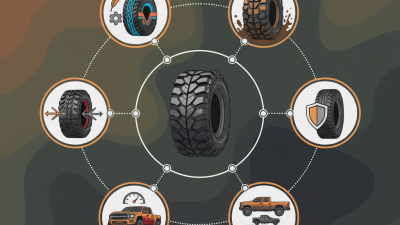
Choosing the best balancing tires in China starts with defining what you need: tires, wheel-balancing equipment, or a complete workshop setup. The phrase “balancing tires” can refer to different products and services, so clear comparisons matter. A passenger-car garage has different needs from a high-volume commercial tire center. The right choice should fit the vehicles handled, daily workload, and available service support.
This guide explains how to compare options without relying on broad claims or a single “best” label. It considers balancing accuracy, supported wheel sizes, operating speed, ease of calibration, and the availability of replacement parts. Buyers should also check installation requirements, operator training, warranty terms, and after-sales response times. Small details matter. A machine that is quick to use may still be a poor fit if local technicians cannot maintain it.
Chinese suppliers offer choices across different price points and operating needs, but specifications should be verified with the manufacturer or authorized dealer. Ask for model-specific documentation and a live demonstration when possible. Then compare the machine’s stated capabilities with the wheels you actually service. No shortlist is perfect. Product information can be incomplete, and performance may depend on setup, calibration, and operator skill. This overview offers a practical starting point for identifying reliable options and asking better questions before purchase.
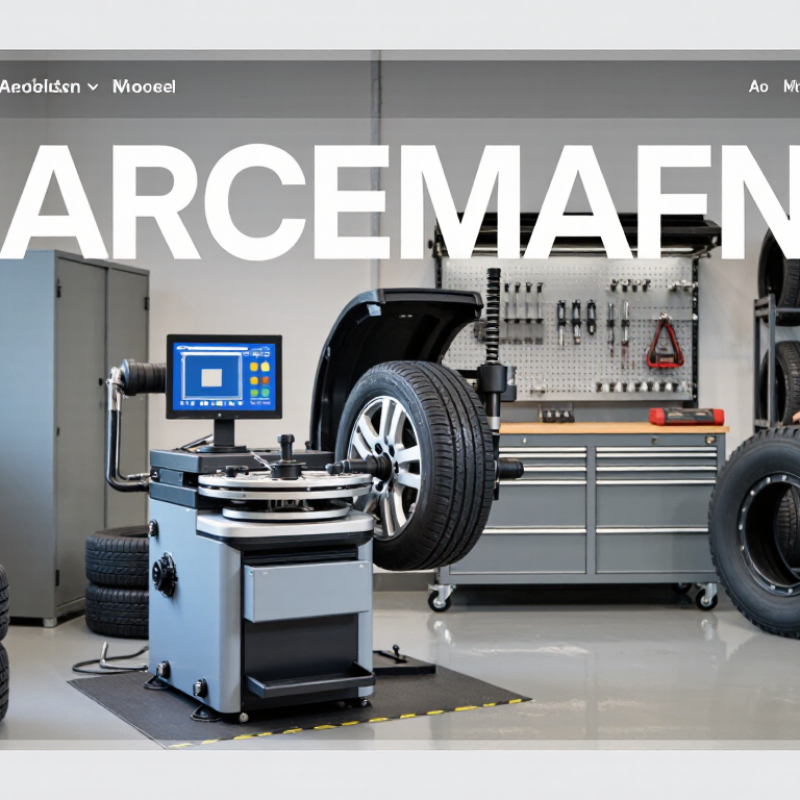
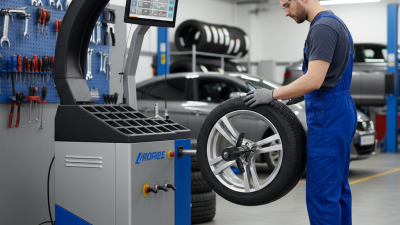
Tire balancing is often confused with wheel alignment, but they solve different problems. Balancing corrects uneven mass around the tire-and-wheel assembly; alignment adjusts wheel angles. At highway speeds, even a small imbalance can cause steering-wheel shake, seat vibration, or a rhythmic thump. Small weights attached to the rim help distribute the mass more evenly. Simple in principle.
For drivers asking about the best balancing tires in China, the key point is that no tire model can replace correct balancing. A suitable tire should match the vehicle’s specifications and typical driving conditions, while each wheel should be balanced after installation or repair. A technician uses a balancing machine to identify heavy spots, then adjusts the assembly and checks it again. The road test matters, too: vibration that remains may come from tire damage, uneven wear, or suspension components.
Notice when the shake appears. Vibration mainly at certain speeds often points toward imbalance, though it is not proof by itself. I have seen drivers assume new tires must run smoothly without further checks; that assumption can miss a poorly seated bead or a bent rim. Recheck balance if a wheel weight falls off, and inspect tire pressure and tread wear during routine service. One detail is easy to miss: balancing cannot correct a tire that is out of round.
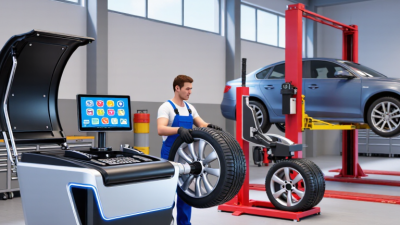
A useful tire comparison starts with the vehicle, not a “best tire” label. Check the placard for the correct size, load index, and speed rating. Then compare wet-road braking, rolling resistance, noise, and wear data from the same test conditions. ISO 28580 specifies a repeatable method for measuring tire rolling resistance. It does not, by itself, predict grip or service life.
China’s market makes these checks especially relevant. The China Association of Automobile Manufacturers reported 30.16 million vehicles produced in 2023. The IEA’s Global EV Outlook 2024 recorded 8.1 million electric-car sales in China that year. Electric vehicles can place different demands on tires through vehicle mass and immediate torque. Still, those market figures do not rank individual tires. Ask for test results on the exact size you plan to fit.
For a balanced evaluation, inspect tread-depth consistency and sidewalls, then request measurements for radial force variation and wheel-assembly balance. On a test drive, note steering vibration at steady highway speeds; a smooth ride at low speed proves little. Compare wet-braking results, not just tread appearance. One caveat: published tests may use different vehicles, pressures, and temperatures, so direct comparisons can be imperfect. Check the test conditions before trusting a small difference in the numbers.
In China, the “best” tire depends on the vehicle, road surface, and driving routine. Large domestic and international manufacturers compete across passenger, SUV, commercial, and electric-vehicle segments. Rather than relying on a popularity list, compare the tire’s size, load rating, speed rating, and intended use. Check the vehicle placard first. A quiet city tire may feel less suitable on rough rural roads.
Product types differ in practical ways. Touring tires usually prioritize comfort and steady wear, while performance tires focus more on grip and steering response. All-season designs suit varied conditions, but they are not a substitute for winter tires where snow and ice are common. Electric-vehicle tires may emphasize lower rolling resistance and reduced road noise. Look closely at tread depth and sidewall condition, too. Small details matter.
A balanced wheel is not created by the tire alone. Correct mounting, wheel condition, and precise balancing equipment all affect vibration. Ask a qualified tire shop to check these points after installation, especially if the steering wheel shakes at highway speeds. Results can vary by vehicle. It is easy to overlook that. Compare warranty terms and service access, but treat broad claims about mileage or silence cautiously; road texture, inflation, and driving habits change the outcome.
| Tire Type | Typical Vehicle Use | Construction and Tread Characteristics | Balancing Considerations | Useful Selection Factors |
|---|---|---|---|---|
| Passenger-Car Touring | Sedans, hatchbacks, and family cars used mainly on paved roads | Commonly radial construction, with tread patterns designed for everyday road use and a balance of comfort, handling, and wear life | Suitable for routine dynamic wheel balancing. Check that the tire is evenly seated on the rim and inspect for uneven wear or damage if vibration persists. | Vehicle placard size, load index, speed rating, wet-road performance, and expected driving conditions |
| Performance and Low-Profile | Passenger cars prioritizing responsive handling and steering feel | Often has a wider tread and shorter sidewall than standard touring fitments; actual specifications vary by vehicle | Correct rim compatibility and careful mounting are important. A low-profile tire does not eliminate the need to balance the complete wheel assembly. | Approved wheel and tire sizes, handling requirements, road comfort, and replacement availability |
| SUV and Crossover Highway | SUVs and crossovers driven mostly on paved roads | Designed for the vehicle’s specified load and dimensions, with tread suited to regular road use | Balance each wheel after installation or repair. If vibration changes with vehicle speed, also check wheel condition, alignment, and suspension components. | Load capacity, vehicle-approved size, wet grip, noise, and the proportion of highway versus city driving |
| All-Terrain SUV | SUVs and light-duty vehicles used on both paved roads and unpaved surfaces | Typically features more open tread blocks than highway-focused SUV tires; designs differ in their on-road and off-road emphasis | Larger tread blocks and accumulated mud or stones can affect smooth running. Clean the tire and wheel before diagnosing balance-related vibration. | Off-road frequency, road noise tolerance, wet-road needs, load rating, and vehicle-approved fitment |
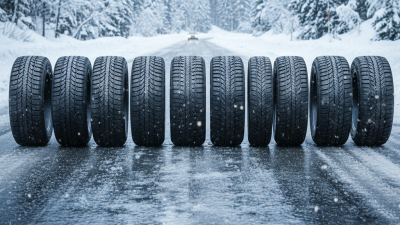
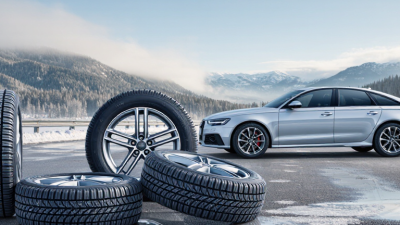
| Winter or Cold-Weather | Vehicles operating in cold conditions where a dedicated winter tire is appropriate | Uses a cold-weather tread compound and pattern intended to maintain performance in low temperatures; suitability depends on local conditions | Balance after seasonal installation, and recheck if vibration appears. Use the size and load rating approved for the vehicle. | Seasonal temperatures, snow and ice exposure, local regulations, and storage between seasons |
| Light-Truck and Commercial | Light trucks, vans, and commercial vehicles, subject to vehicle specifications | Available in different constructions and load ratings; some applications require reinforced or commercial-design tires | Match the tire’s load rating and construction to the vehicle. Balance requirements depend on the vehicle, wheel, and operating conditions. | Specified tire size, load index, inflation pressure, duty cycle, and whether the vehicle requires a particular construction |
Note: No tire type is automatically “best balanced.” Smooth running depends on the tire and wheel assembly, correct fitment, mounting, inflation, and vehicle condition. Follow the vehicle placard and owner’s manual for approved tire sizes, load ratings, and pressures; have a qualified technician inspect persistent vibration.
For Chinese roads, a well-balanced tyre must grip on rain-darkened expressways, stay composed through stop-start traffic, and avoid a harsh thrum on coarse city asphalt. “Best” depends on the car and route. A quiet touring tyre may suit daily commuting, while frequent mountain trips demand stronger wet-road control. The European Commission’s 2020 tyre-label framework grades wet grip and rolling resistance from A to E, and external noise from A to C, measured in decibels. These figures help compare products, but they do not predict every cabin’s comfort.
Durability deserves equal attention. Look for independent test results covering tread wear and mileage, not just a long warranty; driving style, alignment, load, and hot pavement can change real-world life. ADAC’s tyre-test methodology considers safety alongside environmental performance, including mileage and abrasion. For cost, compare price with expected kilometres, rather than choosing the cheapest set. Check pressure monthly, especially before a loaded highway trip. Small detail, real difference. I would not treat one test score as a final answer: China’s varied climates and road surfaces can make a strong performer feel less convincing on your own commute.
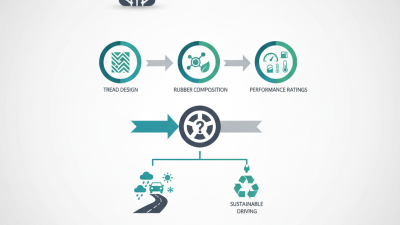
A brand-neutral framework for comparing tire performance, durability, comfort, and cost. Scores are illustrative—not results from a measured tire test.
Higher scores indicate a more favorable result. Actual performance and value vary by tire model, vehicle, road conditions, and local price; compare independent test results and current quotes before buying.
Choosing tires in China starts with your vehicle’s manual, not a sales label. Match the specified size, load index, and speed rating, then consider your daily routes: smooth city roads, frequent expressway travel, or rough rural surfaces. A comfortable tread pattern may reduce road noise, while a suitable wet-grip design can help on rainy commutes. Tire balancing matters too. If the steering wheel shakes at highway speed, ask a qualified technician to check balance, alignment, and suspension; vibration does not always mean one problem.
Maintenance protects performance after installation. The U.S. Department of Energy’s FuelEconomy.gov reports that each 1 psi drop in pressure across all four tires can reduce fuel economy by about 0.2%; correct inflation improves it by an average of 0.6%, and up to 3%. Check pressure monthly when tires are cold, using the vehicle’s door-jamb label rather than the tire sidewall. Inspect tread and sidewalls for uneven wear, cuts, or bulges. Small checks matter. Even careful drivers can miss slow pressure loss.
Tips: Rotate tires according to the vehicle manual, and have balancing checked after installation or when vibration appears. Keep a simple pressure log. It may feel fussy, but it can reveal a recurring leak before a long trip.
Reignite your passion for driving with Yokohama tires and experience the superior performance you deserve.