Top Tips for Choosing Winter Truck Tires for Safe Driving
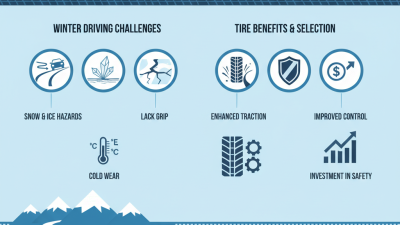
Choosing the right winter truck tires is crucial for safe driving in harsh conditions. The winter months bring snow, ice, and cold temperatures, which can drastically affect your vehicle's performance. Selecting the appropriate tires can enhance traction and stability. It can also prevent accidents and costly repairs.
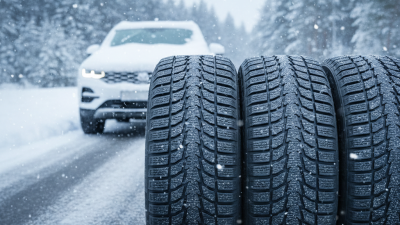
When evaluating winter truck tires, consider their tread pattern, rubber composition, and sizing. Deeper treads with unique designs offer better grip on slippery surfaces. Soft rubber compounds retain flexibility, ensuring better performance in freezing temps. Also, choose tires that fit your truck's specifications precisely. A mismatched size can lead to poor handling.
It's also worth noting that regular inspections of your tires are vital. Checking for wear and proper inflation can improve safety. Winter conditions can be unpredictable, so being proactive is necessary. Don't just rely on seasonal changes; assess your needs based on your driving habits. Remember, quality winter truck tires can be the difference between safety and disaster on icy roads.

Understanding Winter Tire Specifications and Types
Choosing the right winter truck tires can significantly impact your safety on icy roads. Understanding winter tire specifications is crucial. There are three main categories: studdable, non-studdable, and all-weather tires. According to recent industry data, studdable tires can enhance grip by up to 30% on ice. This offers a notable advantage in regions with severe winter conditions.
Non-studdable tires use specialized rubber compounds. They provide a reliable performance in various conditions. These tires often feature unique tread patterns designed to channel snow and slush. Studies suggest that these can reduce the chance of hydroplaning by 25%. However, the choice isn't straightforward. Some drivers may find non-studdable tires less effective on sheer ice compared to studded ones.
All-weather tires present another option. They combine features from summer and winter tires. This versatility can be appealing but may come at the cost of ultimate winter performance. Insight from vehicle safety reports shows that while all-weather tires are convenient, they may not meet the same performance benchmarks as dedicated winter tires. Balancing convenience and safety is essential, yet many might overlook this detail, opting for what they perceive as an easier choice.
How Tread Patterns Impact Traction and Performance
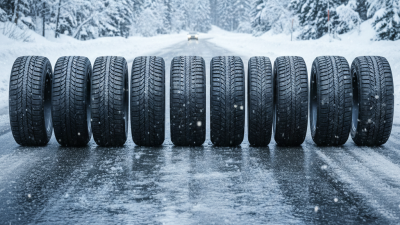
When it comes to winter driving, tire tread patterns play a crucial role in safety and performance. According to a report from the Tire Industry Association, proper tread design can improve traction on snow and ice by up to 50%. A deeper tread depth provides more surface area, allowing tires to grip better on slick roads. Various tread patterns, including symmetric, asymmetric, and directional designs, affect how efficiently tires channel water and slush away from the contact patch.
Directional tread patterns are particularly effective for winter conditions. They help evacuate water and slush, reducing the risk of hydroplaning. This is essential since hydroplaning can occur at speeds as low as 30 mph. Some studies show that tires with a dedicated winter tread pattern can offer significantly better stopping distances on ice, approximately 35% shorter than all-season alternatives.
However, choosing the right tread is not a one-size-fits-all decision. Terrain, driving habits, and local weather patterns must be considered. For instance, aggressive treads may provide superior grip but can generate more road noise and decrease fuel efficiency. Balancing performance with your unique needs can be challenging. Not all tread patterns are equally effective, and ongoing research shows that even slight variations can lead to noticeable performance changes on the road.
Winter Truck Tire Traction Performance
This chart visualizes the traction performance scores of different winter truck tire tread patterns. The scores range from 1 to 10, with higher values indicating better traction for safe driving in winter conditions.
Evaluating Rubber Compounds for Enhanced Cold Weather Grip
Choosing the right rubber compound for winter truck tires is crucial for safe driving. The grip provided by the rubber directly affects handling and traction on icy or snowy roads. Soft rubber compounds generally perform better in low temperatures. They remain pliable and can more effectively grip the road. This flexibility is essential when dealing with unpredictable winter conditions.
Considering the tread design is important, too. A tire with deep grooves is beneficial. It channels water and improves stability. This design prevents hydroplaning, allowing for better control. However, a tire with a soft compound may wear quickly if used improperly. Evaluating the balance between grip and durability can be challenging.
Environmental factors also play a significant role. Cold temperatures can harden some rubber compounds, making them less effective. Regularly checking tire performance in real-world conditions helps in understanding their limits. It is not just about buying the most expensive tire; it involves understanding how different compounds fare against the specific weather conditions in your area. The pursuit of the perfect winter tire is an ongoing learning experience for any driver.
Assessing Load Capacity and Size for Truck Compatibility
Choosing the right winter truck tires involves careful consideration of load capacity and size. These factors directly impact safety and performance on icy roads. According to the Rubber Manufacturers Association, the correct tire size can improve fuel efficiency by up to 3%. This is crucial in winter when conditions are less predictable.
Load capacity is another essential aspect. Tires must support the total weight of the truck, cargo, and passengers. Overloading tires can lead to blowouts. The Tire and Rim Association provides guidelines on load ratings, emphasizing that each tire has a maximum load it can safely carry. Misjudging this can have severe consequences, affecting braking distances and vehicle stability.
Many truck drivers overlook the importance of proper tire sizing. A tire that is too large or too small can negatively affect handling. The National Highway Traffic Safety Administration reports that incorrect tire sizes contribute significantly to winter accidents. These details underscore the importance of consulting tire specifications before purchasing. Investing time in assessing these factors can lead to safer driving experiences during the challenging winter months.
Key Features to Look for When Buying Winter Tires
When selecting winter truck tires, focus on key features that enhance safety and performance. Tread design is critical. Look for deep grooves and biting edges. These elements improve traction on snow and ice. Such designs help prevent hydroplaning on wet roads.
Another important aspect is rubber composition. Winter tires are made from softer rubber. This flexibility allows better grip in low temperatures. Pay attention to the tire’s rating. Look for symbols indicating winter capabilities. Often, these symbols include a snowflake or mountain graphic.
Finally, consider the sidewall strength. Stronger sidewalls prevent punctures and offer better durability. It's essential to balance durability with performance. A tire that lasts may not always be the best performer in winter conditions. Each driver’s needs may differ, so reflect on your driving habits. How often do you drive in harsh winter conditions? Do you prioritize longevity or grip?