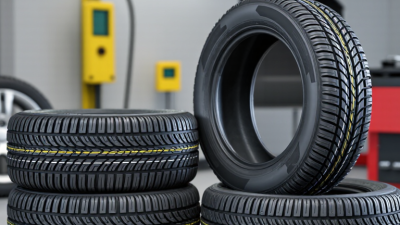
How to Find the Right Tires for Your Vehicle?
Choosing tires is not just a matter of finding the lowest price or picking a familiar brand. The right set must fit your vehicle, suit your driving conditions, and meet your needs for comfort, traction, and durability. A tire that feels quiet on dry pavement may behave differently on wet roads or in winter weather. Small details matter.
Tire-industry specialist Woody Rogers has emphasized the importance of matching tires to a vehicle’s specifications and intended use. A practical way to express that guidance is: “Choose tires that fit your vehicle and the roads you actually drive.” Before you find tires, check the size and service information on the driver-side door placard and in your owner’s manual. Note the load index and speed rating, too. These numbers are easy to overlook, but they help narrow the choices safely.
Then consider your daily route. Do you face heavy rain, rough pavement, or long highway trips? Think about tread life, noise, fuel economy, and seasonal performance. A salesperson’s recommendation can help, but it should not replace checking the specifications yourself. I’ve seen how a small mismatch can turn a seemingly simple purchase into a frustrating return. It is worth slowing down. This guide explains how to compare tire types, read sidewall markings, and weigh practical trade-offs, so your final choice fits more than just the wheel.
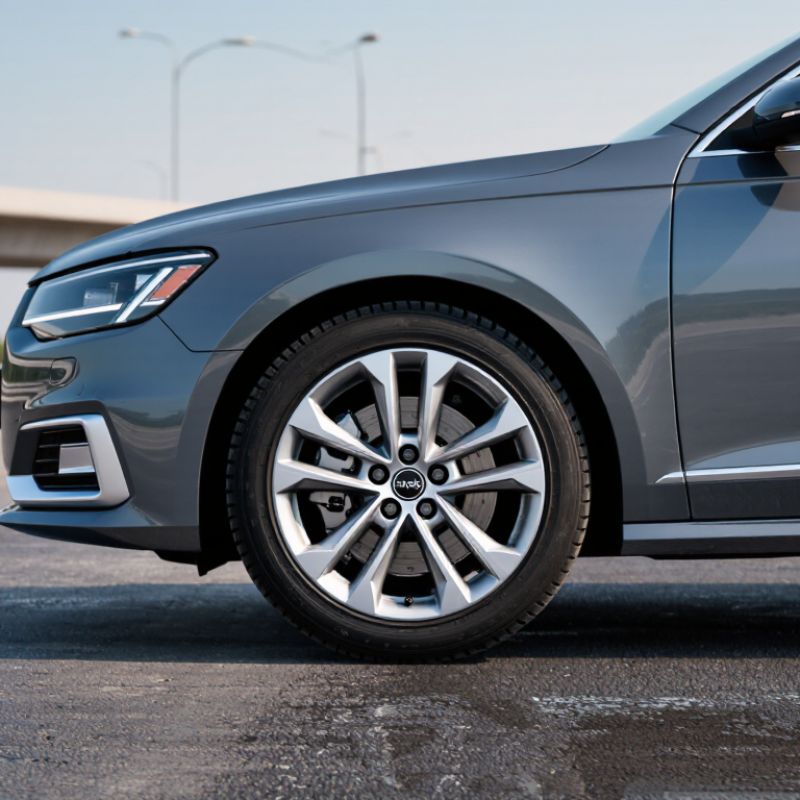
Identify Your Vehicle’s Tire Specifications and Requirements
Check your vehicle’s tire specifications before comparing tires. Open the driver-side door and read the placard on the door jamb. It usually lists the original tire size and recommended cold pressure. The owner’s manual can confirm these details and explain any approved alternatives. Small numbers matter. Match the tire’s size, load index, and speed rating to the vehicle’s requirements. These markings are easy to overlook when two tires look nearly identical.
Do not use the maximum pressure printed on a tire’s sidewall as your everyday target. That figure is not the vehicle’s recommended pressure. Check pressure when tires are cold, ideally before driving. Also consider how you use the vehicle: frequent heavy loads, winter conditions, or rough roads may affect which tire type suits you. Still, a tougher-looking tire is not automatically a better fit.
Tips: Photograph the door placard so you can check it while shopping. Compare every character in the size code, not just the wheel diameter. If the placard is missing or the vehicle has modified wheels, ask a qualified tire professional to verify fitment. I’d rather double-check than guess; it can feel fussy, but guessing may cause poor handling or uneven wear. Don’t forget to check the spare, too.
Choose a Tire Type That Matches Your Driving Conditions
How to Find the Right Tires for Your Vehicle?
Choose a Tire Type That Matches Your Driving Conditions
Think about the roads and weather you encounter most often. All-season tires suit many drivers in mild climates, but they are not a substitute for winter tires on icy roads. Winter tires use tread compounds designed to stay more flexible in cold conditions. Summer tires can offer responsive handling in warm weather, but perform poorly in snow. Drive regularly on gravel or rough tracks? All-terrain tires may help, though they can add road noise and use more fuel. Road noise matters, too.
Tips: Check your vehicle manual or door-jamb label for the correct tire size and required load rating. Compare that information with the tire’s sidewall, and ask a qualified tire professional if the markings are unclear. Never choose by tread appearance alone.
Match the tire to your actual routine, not an occasional trip. A driver facing steep, snow-covered roads each week has different needs from someone who mainly travels on dry city streets. In wet weather, look for a tire suited to frequent rain, and slow down when water pools on the road. No tire prevents every skid. I would also consider comfort: a rugged tread may feel less pleasant on a quiet commute. That trade-off is easy to overlook. Check tire pressure regularly, since temperature changes can affect it, and inspect tread for uneven wear.
Compare Tread, Performance, and Durability Features
The right tire is a balance of tread, performance, and expected wear. Check the vehicle placard or owner’s manual for the correct size and load rating before comparing options. Then consider where you drive: frequent rain makes wet-road grip especially important, while rough roads can expose weak sidewalls sooner.
AAA’s 2018 wet-pavement testing found that tires worn to 4/32 inch took 87 feet longer to stop from 60 mph than new tires. That is a striking difference. A tread-depth gauge gives a more reliable check than judging grooves by eye. NHTSA’s Uniform Tire Quality Grading system also offers comparative treadwear, traction, and temperature ratings. A higher treadwear grade is not a guaranteed mileage promise; driving habits, inflation, and alignment all affect tire life. I would not choose by that number alone. It can overlook grip and comfort. Compare the grades, inspect the sidewall details, and consider how the vehicle feels on your usual roads. The choice is not always obvious.
Confirm Tire Size, Load Rating, and Speed Rating
Before shopping, read the tire information on the driver’s door placard or in the owner’s manual. It gives the size and performance ratings selected for your vehicle. A sidewall code such as 225/60R17 identifies the tire’s width, profile, construction, and wheel diameter. Match the full size, not just the final number. The small print can be easy to misread, so compare it with the vehicle’s specifications.
Check the load index next. This number indicates the maximum load a tire can carry under specified conditions. Choose a tire that meets or exceeds the vehicle maker’s stated requirement; a familiar size alone is not enough. Do not treat a higher load rating as permission to carry more than the vehicle allows. Tire pressure still matters. Use the placard’s recommended pressure, not the maximum pressure molded on the sidewall.
Then confirm the speed rating, shown by a letter in the tire code. It indicates the tire’s tested speed capability under controlled conditions, not a safe driving target. Keep to the vehicle’s specified rating, especially when replacing only two tires. If the placard, manual, and current tires seem to disagree, pause and ask a qualified tire professional to verify the fitment. I’d double-check, too. A quick glance can miss one letter.
Check Compatibility Before Purchasing and Installation
Before ordering tires, compare the complete size listed in your owner’s manual or the placard inside the driver’s door. Check width, aspect ratio, construction, and wheel diameter—not just the large numbers on the sidewall. Small numbers matter. The load index and speed rating should also meet the vehicle maker’s specifications. A tire that fits the wheel may still be unsuitable for the vehicle. Do not guess.
One detail is easy to overlook: the pressure printed on a tire’s sidewall is not necessarily the vehicle’s recommended pressure. Use the vehicle placard for inflation guidance. Also confirm that the replacement wheel size matches, and consider clearance around the brakes and suspension. For all-wheel-drive vehicles, tires with noticeably different tread depth or rolling circumference can strain the drivetrain. Check the vehicle manual for its specific requirements.
Before installation, ask the tire professional to verify the size, ratings, and fitment against your vehicle information. Mention any changes to the wheels or suspension. After mounting, check that the tire-pressure monitoring system works and that pressures are set correctly. A careful check can feel repetitive, but relying on a quick visual match can miss important differences. If a specification is unclear, pause and confirm it rather than hoping it will fit.