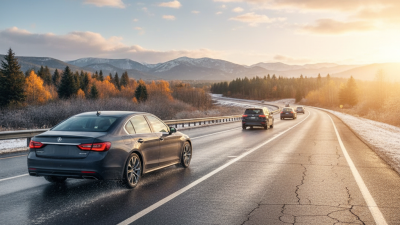
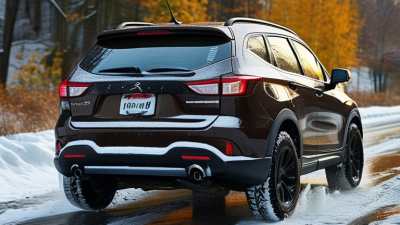
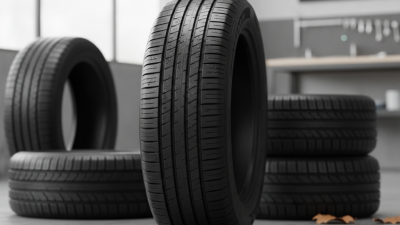
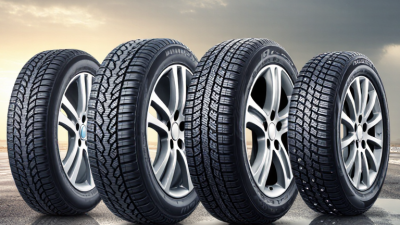
Choosing the right tires can change a calm winter drive into a stressful one. This is why drivers often ask about all season tires in snow performance. All-season tires offer year-round convenience, but their winter ability has clear limits.
In light snow, a quality all-season tire may provide acceptable control. Its tread grooves can move through shallow snow and wet roads. However, cold temperatures can stiffen the rubber compound. Braking distances may increase on packed snow or ice. A vehicle with all-wheel drive can start moving more easily, but it cannot create extra braking grip.
Real-world experience matters here. A tire may feel confident on a cleared suburban street. The same tire can struggle on a steep, untreated road. I have seen drivers focus on traction while ignoring tire pressure, tread depth, and uneven wear. That mistake is easy to make. Small details matter.
Look for the Three-Peak Mountain Snowflake symbol when severe winter performance is important. This mark indicates testing for severe snow conditions, although it does not guarantee perfect ice grip. Manufacturer specifications and independent winter tests can reveal differences between models. Results may vary with vehicle weight, road surface, temperature, and driving habits.
There is no universal answer. Some all-season tires perform well in mild climates. Others become nervous when snow turns hard and reflective. Drivers should examine local weather, driving routes, and emergency needs before choosing. A careful decision may favor all-season tires, dedicated winter tires, or a seasonal combination. Even experienced drivers can misjudge changing winter surfaces.
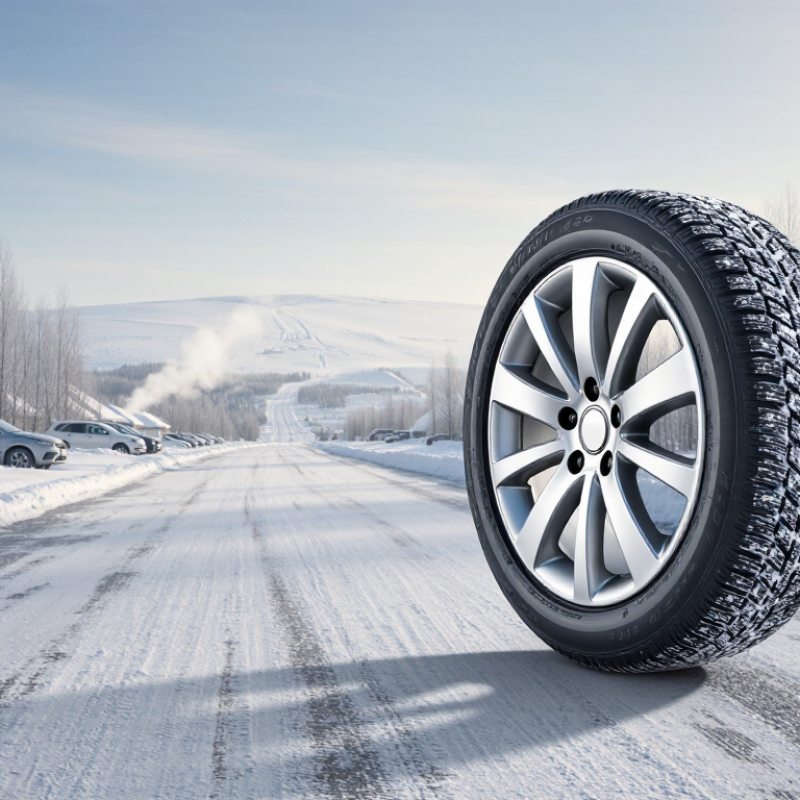
All-season tires are designed for changing conditions, including light snow. Their tread patterns use grooves to move slush away from the contact patch. Small sipes create extra biting edges on lightly packed snow. The rubber compound also stays usable across a wider temperature range than many summer tires. This flexibility suits drivers who face occasional cold weather.
However, their snow performance has clear limits. All-season tread blocks usually have fewer biting edges than dedicated winter tires. Their rubber can also become less flexible during prolonged freezing temperatures. On a quiet road with two inches of fresh snow, they may provide acceptable control. On polished ice, steep hills, or deep snow, traction can disappear quickly. That difference matters more than the tire label.
Real-world performance depends on tread depth, tire pressure, vehicle weight, and driving speed. I would check pressure before a snow trip, because cold air lowers it. I would also leave more stopping distance than usual. A gentle turn can reveal the road’s grip faster than an aggressive brake test. My own judgment would remain cautious here. “All-season” does not mean “all-weather” in every condition. Weather changes faster than expectations, and a familiar route can still hide ice beneath loose snow.
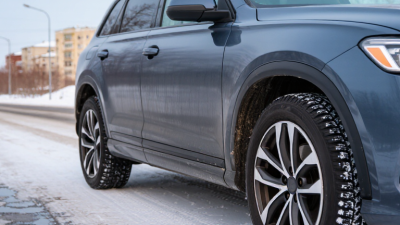
All-season tires can manage light snow, but tread design largely determines their traction. The key is not appearance alone. It is how many edges contact the snow.
Wide grooves help evacuate loose snow and slush. Dense sipes create hundreds of biting edges across each tread block. These small cuts flex against packed snow, improving grip during acceleration and braking.
Directional patterns can channel slush away, while open shoulder blocks support cornering. However, large voids may reduce dry-road stability. Tread design always involves compromise.
Rubber temperature also matters. Below 7°C, many all-season compounds become harder and less flexible.
In AAA’s 2018 winter tire testing, winter tires stopped about 5% to 11% shorter than all-season tires on snow-covered roads. That difference can equal several feet near an intersection. Consumer Reports’ tire evaluations also separate snow traction from wet and dry performance, showing why one overall score can mislead drivers.
Tips:
Check tread depth before winter. Look for clear sipes, open grooves, and even wear. Keep tire pressure at the vehicle maker’s recommendation.
I once focused too much on tread width and overlooked compound flexibility. That was a poor assumption.
No pattern can replace slower speeds, longer following distances, and careful steering. Avalanches of slush can still overwhelm an all-season tread, even when the tire looks aggressive.
What Is All Season Tires in Snow Performance?
All-Season Tire Performance on Light and Deep Snow
All-season tires can manage light snow, especially when roads are cleared quickly. Their tread grooves move loose snow away from the contact area. On a morning with two inches of fresh snow, steering usually feels predictable. Acceleration remains acceptable when inputs stay gentle. Still, cold rubber responds more slowly than expected.
My first assumption was simple: visible grooves meant strong winter performance. That judgment was too optimistic. On packed snow, braking distances grew noticeably, even at low speeds. The tires could start moving, but stopping was the harder task. Lower tire pressure can worsen grip and increase steering instability. Check pressure when the tires are cold.
Deep snow exposes their limits. When snow reaches the lower bumper, the tread may struggle to clear a path. Wheelspin becomes common, particularly on hills or untreated surfaces. A tire carrying a three-peak mountain snowflake symbol has passed a severe-snow traction test. However, that marking does not make it equal to a dedicated winter tire. Drivers should examine tread depth, tire age, road temperature, and local snowfall patterns. My practical lesson is uncomfortable but useful: all-season tires are convenient, not universally capable. On deep or repeated snow, their performance can change quickly.
| Driving Condition | Typical Snow Depth | Road Temperature | All-Season Tire Traction | Braking Performance | Cornering and Stability | Practical Assessment | Recommended Use |
|---|---|---|---|---|---|---|---|
| Dry, cold pavement | 0 in / 0 cm | Above 7°C / 45°F | Good | Good | Stable and predictable | All-season tires generally provide balanced handling and comfortable road manners. | Suitable for normal year-round driving. |
| Wet pavement near freezing | 0 in / 0 cm | 0–7°C / 32–45°F | Moderate to good | Moderate | Usually controlled, but grip decreases as rubber hardens | Traction depends strongly on tread design, rubber compound, water depth, and road surface. | Drive at reduced speed and allow additional following distance. |
| Light, fresh snow | Up to 2 in / 5 cm | Approximately −4 to 2°C / 25–36°F | Moderate | Moderate to limited | Acceptable at low and moderate speeds | Many all-season tires can manage occasional light snowfall when tread depth is adequate and roads are promptly cleared. | Appropriate for cautious short trips on treated or lightly covered roads. |
| Compacted snow | Approximately 1–3 in / 2.5–7.5 cm | Approximately −10 to 0°C / 14–32°F | Limited to moderate | Longer stopping distances are likely | Reduced lateral grip and increased slip risk | Compacted snow is more difficult because the surface is smooth and has less mechanical grip. | Use extra caution; winter-rated tires are preferable for repeated travel. |
| Deep, unplowed snow | More than 3 in / 7.5 cm | Below 0°C / 32°F | Limited | Poor compared with winter-rated tires | Higher risk of wheel spin, understeer, and loss of control | All-season tread may pack with snow and may not provide sufficient forward bite or clearance. | Avoid unnecessary travel; use winter-rated tires and appropriate vehicle equipment. |
| Hard-packed snow and ice | Thin surface layer | Below 0°C / 32°F | Limited | Poor | Very limited grip during braking and turning | Ice offers very little friction to any tire. All-season tires normally lack the compound and biting edges optimized for these conditions. | Delay travel when possible; use winter tires for regular cold-weather driving. |
| Slushy snow | Up to approximately 2 in / 5 cm of wet snow | Approximately −1 to 3°C / 30–37°F | Moderate | Moderate, with increased hydroplaning risk | Generally stable if speed is controlled | Water and melting snow can reduce contact with the pavement and increase the risk of sliding. | Reduce speed, avoid standing water, and make steering inputs smoothly. |
| Deep snow on an uphill road | More than 3 in / 7.5 cm | Below 0°C / 32°F | Limited | Limited | High likelihood of wheel spin, especially with two-wheel drive | Vehicle weight and drivetrain can help, but they cannot replace tire grip. | Use winter-rated tires; avoid stopping on steep untreated slopes. |
Important: These are generalized performance categories rather than laboratory test results. Actual snow performance varies with tread depth, tire design, tire pressure, vehicle drivetrain, load, road treatment, temperature, and driver behavior. All-season tires are designed for broad year-round use, while winter tires use specialized compounds and tread features for sustained cold, snow, and ice conditions.
All-season tires can handle light snow, but their performance changes as temperatures fall. Their rubber compound often becomes less flexible below about 7°C. This reduces grip during acceleration, cornering, and braking. Fresh snow may feel manageable on a cleared road. Packed snow is different. It creates a slippery layer that all-season tread patterns may not clear quickly.
Ice exposes the main weakness. All-season tires usually provide limited traction on glazed intersections and frozen bridges. Even with good tread depth, stopping distances can increase sharply. Wet roads bring another concern. Wide grooves can move water, but worn tread raises hydroplaning risk. At 80 km/h, a shallow puddle can make steering feel suddenly light. Tread depth, tire pressure, vehicle weight, and speed all affect the result. I used to treat “all season” as a complete winter solution. That assumption was too broad.
Tips: Check pressure when tires are cold. Inspect tread before the first freeze. Leave more following distance. Brake gently and early. If snow is frequent, choose tires marked with the severe-snow service symbol. Test traction in a safe, empty area, because weather changes faster than forecasts sometimes suggest.
All-season tires can manage light snow, but their performance changes as temperatures fall. The U.S. Tire Manufacturers Association explains that all-season rubber becomes less flexible below 45°F (7°C). A cold morning can therefore reduce grip before snow even appears. On a plowed street, all-season tires may feel acceptable. On packed snow, steering can become vague, especially during a sudden lane change.
Winter tires become the better choice when snow, ice, or freezing temperatures are regular conditions. They use softer compounds and deeper grooves to maintain contact with the road. A 2013 AAA winter-tire study reported that winter tires delivered about 33% more traction than all-season tires on snow. The difference is noticeable at a stop sign, where an extra few feet can reach a crosswalk. Quebec government evaluations also associated mandatory winter-tire use with roughly 5% fewer road crashes. That figure is useful, but it does not predict every driver’s result. Tire condition, speed, road treatment, and driving skill still matter. I would not treat the 45°F guideline as a promise. It is a practical warning. Choose winter tires when temperatures stay low and snow remains on your routes for weeks, not merely after one unusual storm.
Winter tires typically stop shorter than all-season tires on packed snow because their softer rubber compounds remain flexible in cold temperatures and their tread is designed to create more snow grip.
Representative stopping-distance comparison from 20 mph on packed snow. Actual results vary with temperature, snow condition, vehicle weight, tire wear, inflation, and braking system. Choose winter tires when temperatures regularly remain below 45°F (7°C), or when frequent snow and ice make dependable cold-weather traction important.
Reignite your passion for driving with Yokohama tires and experience the superior performance you deserve.