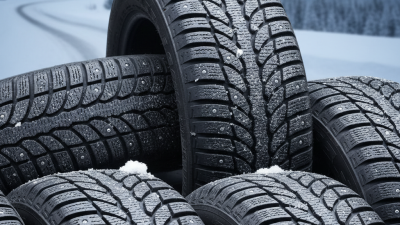
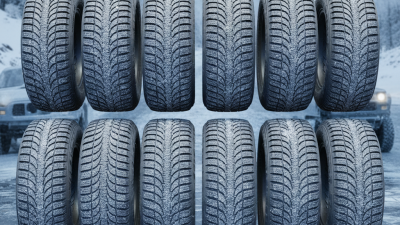
Winter car tires are not a single, uniform product category. Snow, ice, wet roads, temperature swings, and local driving habits all affect the right tread and rubber compound. China’s manufacturing base makes it a major sourcing destination, but factory scale alone cannot prove winter performance. Details matter.
The China Association of Automobile Manufacturers reported 30.09 million vehicle sales in China in 2023, indicating the scale of the country’s automotive supply ecosystem. This figure is not a measure of winter-tire demand. It does, however, provide useful context for buyers assessing suppliers. ETRMA’s European Tyre Market Statistics separates replacement sales from original-equipment demand, a helpful reminder that export opportunities depend on sales channels as well as production capacity. Grand View Research’s tire market analysis also tracks the sector by product and application, offering broader market context rather than a direct ranking of Chinese winter-tire makers.
This guide profiles ten Chinese manufacturers for global buyers. It considers product range, stated manufacturing capabilities, export experience, and available evidence on testing and certification. Buyers should verify specifications against their own climate, vehicle, and market requirements. Conditions vary. A neat ranking can still hide important differences, and published company claims are not independent test results. Treat this list as a starting point, then request current technical data, sample tires, and relevant test documentation. A careful comparison may take longer. It can prevent an expensive mismatch.

Winter car tires are not one uniform category. Snow tires use flexible cold-weather compounds and deep grooves to move through packed snow. Their small tread cuts, called sipes, help create extra biting edges on slippery surfaces. Ice-focused tires prioritize grip on hard, slick roads, often with softer compounds and dense siping.
The difference matters. A tire that feels secure in fresh snow may behave differently on polished ice.
All-weather tires are designed to remain usable across changing seasons, including some winter conditions. They can suit drivers who face occasional snow but do not want seasonal tire changes. Still, they may not match a dedicated winter tire in severe cold or deep snow.
Feel the trade-off. For global buyers, compare independent test results from climates similar to the intended market, not just tread photos or broad product labels. Check the exact size, load capacity, and speed rating against the vehicle requirements.
Ask how performance was assessed: snow braking, wet handling, and ice traction reveal different strengths. One point is easy to overlook: road surfaces and winter temperatures vary widely between regions.
A category name alone cannot predict how a tire will feel on a steep, icy driveway. I would treat marketing terms cautiously and request clear, comparable test data.
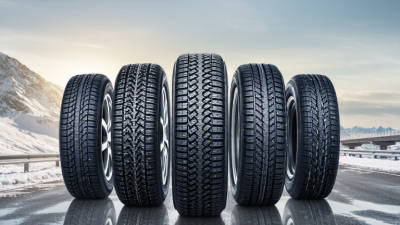
For global buyers, UN R117 offers a useful benchmark when comparing C1 winter tires. Under the specified snow-grip test, a qualifying C1 snow tire needs a snow-grip index of at least 1.07. This is a threshold, not a promise of equal performance on every road. Test results depend on controlled conditions and the tire version tested. Check that the certificate and technical documents match the exact size and pattern you plan to purchase. Small differences matter.
Snow grip is only one part of winter suitability. A tire may meet the threshold yet feel different on wet pavement, packed snow, or icy bends. Tread depth, rubber condition, vehicle load, and inflation pressure also affect real-world behavior. The test is useful, but it is not the whole winter story. Buyers should request traceable test or approval documents rather than relying on a sales description alone. I would still compare results carefully; paperwork can be easy to misread.
Tips: Confirm the C1 category, tire size, and approval details on the documents. Ask whether the tested version matches the delivered product. Check tire pressure before cold-weather trips. Snow grip can change with wear.
China’s tire industry produced 987.75 million tires in 2023, according to annual industry figures reported by the China Rubber Industry Association. That scale signals substantial manufacturing capacity, but it does not show how many tires were winter models. Production totals cover different tire categories, so buyers should treat the headline as context, not a winter-tire supply estimate. The difference matters.
Large output can support broad product ranges and steady production, yet capacity alone cannot verify cold-weather performance. Ask suppliers for test documentation, including results for grip and braking on snow or ice. Check the test method, tire size, and production date; these details make comparisons more meaningful. The International Organization for Standardization publishes standards used in tire testing, while technical requirements vary by market. I would also confirm whether a quoted specification applies to the exact model being purchased. Small detail, big difference.
Tips: Request recent test reports and a sample specification sheet. Compare the tread pattern, rubber compound information, and cold-weather markings. If documents are unclear, pause before placing a large order.
China’s top ten winter-tire manufacturers serve buyers with different product needs, from compact-car friction tires to options for SUVs and light commercial vehicles. Some offer studded designs for severe winter roads; others focus on studless patterns suited to cold, wet surfaces. Tread blocks, siping, and rubber flexibility affect grip, braking, and wear. Details matter. Buyers should compare technical data for the exact tire size, not rely on broad product descriptions.
Export reach varies by manufacturer and destination. Many suppliers serve overseas distributors, but a wide shipping network does not guarantee consistent support or fit for local conditions. Check destination-market certifications, test reports, labeling, warranty terms, and replacement availability before placing an order. Ask for performance evidence across relevant temperatures and road surfaces. A sample review can reveal tread and sidewall details, though it cannot replace independent testing. I would also question unusually broad claims; winter performance is a trade-off, and one tire cannot excel on every surface. Manufacturers’ published specifications are useful, but buyers should verify them against their vehicle requirements and intended routes.
Calendar span of winter equipment rules in selected markets, measured in days. Longer windows can indicate a broader seasonal period for winter-tire supply.
Note: These are calendar spans, not necessarily days when winter tires are legally required. Requirements depend on local conditions and, in France, apply in designated mountain areas; approved equipment options may include chains or other devices. Check current national and local regulations before exporting.
Global buyers should compare winter tire suppliers by evidence, not by certificate logos alone. Ask for current quality-management certificates, their scope, and the manufacturing site covered. Then check whether test reports identify the tire size, tread pattern, test date, and laboratory. Details matter. A report for one size may not represent every size in a product range.
Testing should match the climates and roads where the tires will be sold. Request results for snow traction, wet braking, rolling resistance, and durability, where relevant. Confirm the test methods and sample traceability. A neat chart is not enough. If results seem unusually strong, ask how they were measured and whether independent verification is available. No single test captures every real-world condition.
Fitment deserves the same careful review. Compare the proposed size, load index, speed rating, rim width, and vehicle application with the buyer’s requirements. Check that product markings and technical documents agree. A mismatch can create costly delays, even when the tire itself performs well. Buyers should also ask how production changes are controlled and how complaints are investigated. I would not treat a first shipment as proof of long-term consistency; repeat checks can reveal gaps that paperwork misses.
Supplier comparison framework: assess each prospective manufacturer against the same evidence requests. Requirements vary by destination market, tire category, and vehicle application; verify current local regulations before purchase.
| Comparison Area | What Buyers Should Compare | Evidence to Request | Buyer Check |
|---|---|---|---|
| 1. Product approval | Approvals applicable to the destination and tire type. UN Regulation No. 30 covers certain passenger-car tires; UN Regulation No. 54 covers certain commercial-vehicle tires. | Valid approval certificates and approval-mark details for the exact tire type, size, and production site. | Match certificate scope and markings to the goods being ordered. |
| 2. Winter performance marking | Whether the tire carries the Three-Peak Mountain Snowflake (3PMSF) marking where winter performance claims or rules require it. M+S marking alone is not the same as a 3PMSF performance qualification. | Applicable approval or test documentation supporting the marking, plus clear sidewall images for the quoted model. | Confirm the marking is present on the delivered specification, not only in marketing materials. |
| 3. Snow testing | Test method, test conditions, reference tire, and measured result for snow traction. Results are meaningful only when the method and conditions are disclosed. | A dated report identifying the tested tire size, pattern, laboratory, method, and result; request the underlying report rather than a summary claim. | Check that test samples represent the same construction and specification as the offer. |
| 4. Wet grip and noise | Wet-grip and external rolling-noise performance where required for the target market. UN Regulation No. 117 includes provisions relating to wet grip, rolling resistance, and external rolling noise for applicable tires. | Relevant approval records and test results for the specific tire type and size, where applicable. | Compare equivalent sizes and test categories; do not treat unlike test results as directly comparable. |
| 5. Rolling resistance and labeling | Rolling-resistance test data and any market-specific tire label information. In the EU, Regulation (EU) 2020/740 sets tire-label requirements for covered products. | Applicable label data, product registration details where required, and test documentation identifying the tested product. | Verify that label values correspond to the exact size and product identifier being imported. |
| 6. North American compliance | For US sales, determine which Federal Motor Vehicle Safety Standard applies. FMVSS No. 139 covers specified new pneumatic radial tires for light vehicles; FMVSS No. 119 applies to specified tires for vehicles other than passenger cars. | Compliance documentation, required tire identification and sidewall information, and applicable testing records. | Confirm the tire category and vehicle application before checking the applicable standard. |
| 7. Quality management | Factory quality-management controls. ISO 9001 and IATF 16949 are management-system standards; they do not, by themselves, certify that a specific tire model meets product regulations. | Current certificate, issuing body, certified site and scope, plus the factory’s process for handling nonconforming products. | Check validity and site scope independently; assess product approvals separately. |
| 8. Size and vehicle fitment | Tire size, load index, speed symbol, construction, approved rim range, and vehicle-manufacturer fitment requirements. Winter tire substitutions may affect required load or speed specifications. | Complete size and specification sheet, load-and-speed data, approved rim information, and fitment confirmation for the target vehicle or application. | Cross-check against the vehicle placard, owner’s manual, and local rules; do not rely on size alone. |
| 9. Production traceability | Ability to identify production batches and link finished tires to manufacturing records, inspection results, and shipment documents. | Sample sidewall codes, batch-record format, inspection plan, and a documented procedure for product complaints or recalls. | Request a traceability demonstration using a sample production code. |
| 10. Commercial and shipment controls | Consistency between the approved sample, purchase specification, production order, packaging, and shipment documents. | Signed specification, pre-shipment inspection criteria, packaging details, warranty terms, and agreed claim-handling process. | Record all technical requirements in the purchase contract and retain a reference sample where practical. |
Note: This table is a due-diligence checklist, not a ranking or a statement about any individual manufacturer. Confirm current regulations, certificate validity, and product-specific requirements with the relevant authority or an accredited testing body.
Reignite your passion for driving with Yokohama tires and experience the superior performance you deserve.