2026 Top All Terrain Tires for Global Buyers
Choosing the right all terrain tires in 2026 requires more than comparing tread depth or brand recognition. Global buyers face different roads, climates, vehicles, and driving expectations. A tire that feels stable on Arizona gravel may behave differently on wet European highways or icy mountain routes. This guide examines all terrain tires through practical details, including wet braking, sidewall strength, road noise, snow traction, rolling resistance, and expected service life.
Tyre Reviews founder and testing specialist Jonathan Benson often summarizes the issue this way: “There is no single best tire; the right choice depends on the vehicle and its use.” That principle guides this selection. We consider independent testing, manufacturer data, user experience, and professional fitment knowledge. Load ratings matter for pickup trucks. Heat resistance matters in desert travel. Mud evacuation matters after heavy rain. Small differences become obvious when a loaded vehicle meets loose stone or standing water.
No ranking is perfect.
Testing conditions vary, and published results cannot represent every road. Some performance claims also deserve careful questioning. A quiet highway tire may sacrifice aggressive trail grip. A rugged tire may increase fuel use and steering effort. Buyers should check size, speed rating, load index, winter markings, and local requirements before purchasing. The following 2026 overview focuses on balanced, real-world choices for drivers who want dependable all terrain tires without confusing marketing with measurable performance.
All-Terrain Tire Basics for Global Buyers in 2026
All-terrain tires balance highway comfort, gravel traction, and light off-road control. For global buyers in 2026, the basics matter more than aggressive-looking tread. Check the tire size, load index, speed rating, and vehicle handbook before comparing prices. A deeper tread may improve loose-surface grip, but it can increase road noise and reduce wet-road refinement. Tire choice is always a compromise.
In practical checks, examine the tread blocks and sidewall carefully. Strong sidewalls can resist cuts from sharp stones, but they may feel firmer over city potholes. Look for clear certification markings required in your market. Winter performance also varies widely, so confirm testing symbols and local rules before driving in snow. I once judged a tire by its gravel grip alone and overlooked wet braking. That was a poor assessment. Real driving includes rain, traffic, heat, and long highway hours.
Tips: Maintain the recommended cold pressure, especially before carrying heavy luggage. Rotate tires according to the vehicle maker’s schedule. Inspect for uneven wear, trapped stones, and sidewall damage after rough trips. Compare independent test data, warranty terms, and production dates. A tire stored badly may age before installation. Buyers should also consider climate, road surfaces, annual mileage, and access to replacement sizes. Not every popular size is easy to source globally.
How to Compare All-Terrain Tires for Different Terrains
How to Compare All-Terrain Tires for Different Terrains
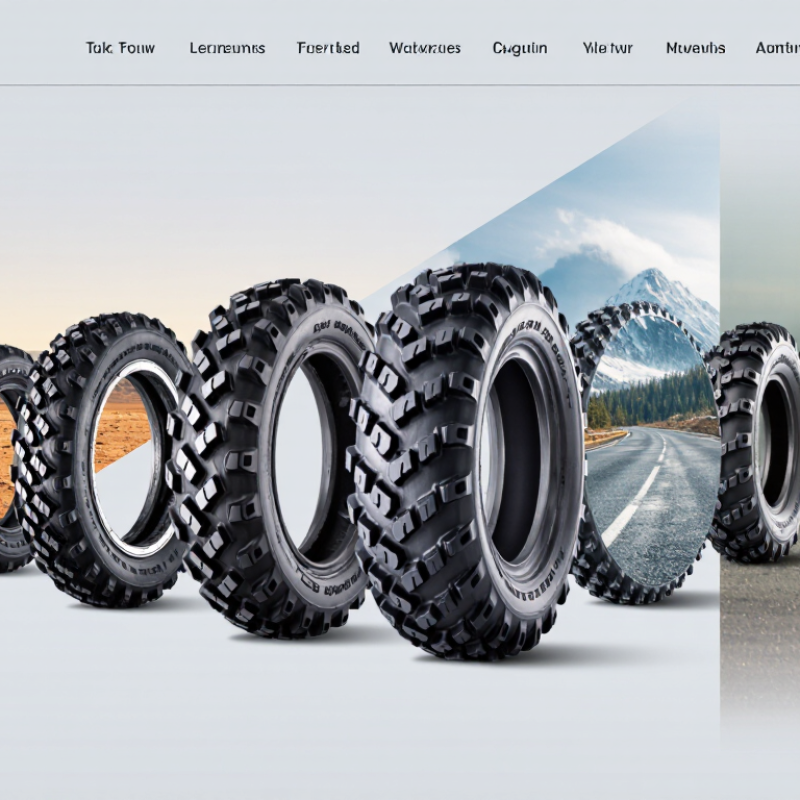
Start with the terrain. Gravel roads need strong casing protection, stable steering, and tread blocks that resist stone trapping. Mud requires wider voids and self-cleaning channels. However, aggressive tread can reduce road comfort and increase rolling resistance. Wet clay is different. Its surface may pack tightly into shallow grooves, despite an impressive tread pattern.
The EU Tyre Label Regulation 2020/740 rates rolling resistance, wet grip, and external noise. Use these ratings beside your terrain needs, not alone. A lower rolling-resistance rating can support efficiency, while wet-grip performance matters more during heavy rain. The U.S. Department of Energy reports that correct tire inflation can improve fuel economy by up to 3%. That figure depends on the vehicle, load, and driving conditions. Check pressure cold, especially before long trips.
Snow changes the comparison. Look for the three-peak mountain snowflake marking when winter traction is a serious requirement. All-terrain capability does not automatically equal winter capability. NHTSA’s TireWise guidance recommends monthly pressure checks and inspections before travel. Field testing also reveals compromises. A tire that feels confident on rocky tracks may wander on smooth highways. I once focused too heavily on sidewall toughness and overlooked wet braking. That was a costly comparison mistake. Measure twice. Examine tread depth, load rating, speed rating, noise, and replacement availability for your region.
Global Buying Factors: Size, Regulations, Price, and Availability
2026 Top All Terrain Tires for Global Buyers
Size is the first global buying factor. Match tire width, aspect ratio, rim diameter, load index, and speed rating. Check the vehicle placard, not only the old sidewall. Clearance can change after suspension modifications. It can also change under full load. Fit matters. According to the U.S. Tire Manufacturers Association’s 2024 Fact Book, more than 330 million replacement tires are sold annually in the United States, making correct fitment a major purchasing issue. I would still recheck measurements, because catalog data can contain mistakes.
Regulations differ sharply by destination. European buyers should review the EU tyre label, including rolling resistance, wet grip, and external noise. Severe-snow use may also require the three-peak mountain snowflake marking. Other markets apply different type-approval and labeling rules. Verify documentation before shipment. The European Tyre and Rubber Manufacturers Association’s 2024 replacement-market statistics show the scale of regional demand, but availability remains uneven across countries.
Price is more than the online listing. Add freight, taxes, fitting, balancing, storage, and possible disposal charges. A cheaper tire may become expensive after a long delivery delay. Smithers’ global tire industry analysis also highlights rising material, energy, and logistics pressures. Ask for the production date and warehouse location. Four matching tires are preferable. Yet, depending on axle requirements, replacing only two may be considered; local professional advice is essential. Availability is practical, not glamorous. A tire sitting nearby may outperform a better-rated tire arriving too late.
2026 Top All Terrain Tires for Global Buyers
Global Buying Factors: Size, Regulations, Price, and Availability
Size
Confirm tire width, aspect ratio, rim diameter, load index, speed rating, vehicle clearance, and TPMS compatibility before purchasing.
Regulations
The chart compares representative minimum legal tread-depth thresholds. Local rules can vary by state, province, vehicle class, or road condition.
Price
Total cost should include the tire, freight, import duty, VAT or sales tax, fitting, balancing, and disposal fees.
Availability
Popular passenger-SUV sizes generally offer more sourcing options, while uncommon sizes and high load ratings may require longer lead times.
Sources: UK Highway Code, EU Directive 2014/45/EU, U.S. NHTSA guidance, Australian state and territory road rules, and Japan Road Transport Vehicle Act guidance. The United States and Australia have jurisdiction-specific requirements.