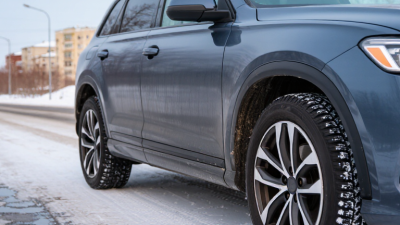
Choosing all terrain tyres for an SUV means balancing grip beyond the pavement with comfort and control on everyday roads. A tread that works well on gravel may sound louder on the motorway. Deep grooves can help clear loose dirt, but they do not guarantee better braking on wet asphalt. Small details matter.
This guide looks at 10 notable options for 2026, considering tread design, road manners, expected durability, and suitability for mixed driving. These are useful comparison points, not a promise that one tyre will suit every vehicle or driver. The right choice depends on your SUV’s approved tyre size, load and speed requirements, local climate, and the routes you actually drive. Check the vehicle handbook and the tyre maker’s specifications before buying.
Fit matters. So does pressure.
A tyre’s performance can change with vehicle weight, temperature, road surface, and maintenance. Even a well-regarded model may feel firm or noisy on one SUV and more composed on another. That is worth admitting: rankings can simplify choices, but they cannot reproduce your daily commute or a muddy track after rain. Use this list as a starting point, then compare the exact specifications and consider advice from a qualified tyre professional.
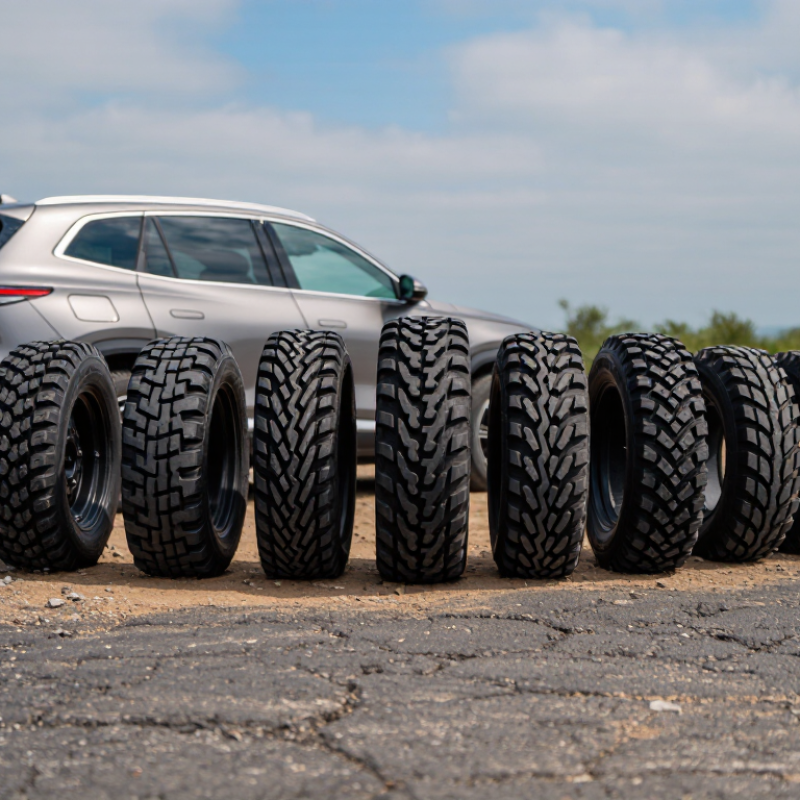
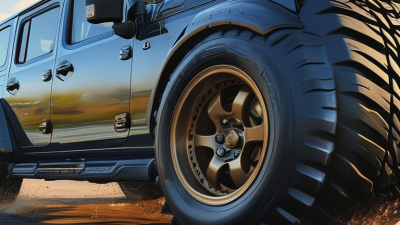
All-terrain tyres give SUV drivers a wider range of usable surfaces. Their open tread grooves can clear loose gravel and shallow mud more effectively than many road-focused designs. Firmer shoulder blocks also help when a tyre brushes against rough edges or rutted tracks. Grip has limits. These tyres do not turn an SUV into a dedicated off-road vehicle.
On a paved commute, the trade-offs become noticeable. Larger tread blocks may create a low hum, especially at highway speed, and some designs feel less precise in quick turns. Wet braking depends on the tyre’s specific construction, tread condition, and road surface; aggressive-looking grooves alone are no guarantee. A short test drive can reveal cabin noise that specifications do not.
The practical choice depends on where the SUV actually travels. A driver who regularly crosses gravel roads may value extra traction and tougher construction, while mostly urban use may favor quieter handling. Check the tyre’s load and speed ratings against the vehicle requirements, and keep pressures matched to the owner’s manual. That detail is easy to overlook. Inspect tread for embedded stones or uneven wear, and rotate tyres at the recommended intervals. Even the right all-terrain set can feel disappointing when worn or incorrectly inflated.
Choosing all-terrain tyres starts with your SUV’s door-jamb placard, not the tread pattern. Match the specified tyre size and meet or exceed its load and speed ratings. A heavier SUV can feel unsettled when tyres are under-rated, especially with passengers or cargo. Check the sidewall for the three-peak mountain snowflake symbol if you regularly drive on snowy roads. It indicates a tested snow-performance threshold, but does not promise strong grip on ice.
Next, weigh your real driving mix. Large tread blocks and open grooves can help on gravel or muddy tracks, but may add road noise and compromise comfort on asphalt. I’d question that trade-off for a mostly paved commute. Compare independent wet-braking and handling tests, and look for consistent results across more than one test condition. Small details matter.
Plan for pressure checks, too. The U.S. Department of Energy’s FuelEconomy.gov estimates that correctly inflated tyres can improve fuel economy by up to 3%. NHTSA notes that pressure can drop about 1 psi for every 10°F fall in temperature. Check pressures when tyres are cold, using the vehicle placard’s figures rather than the sidewall maximum. Recheck after sharp seasonal temperature changes. A suitable tyre still needs careful upkeep.
Choosing the 10 best all-terrain tyres for SUVs in 2026 starts with the roads you actually drive. A useful shortlist should cover highway-friendly tread, balanced daily use, severe-snow-rated designs, wet-road grip, gravel travel, rocky trails, muddy tracks, towing loads, quieter cabins, and lower-cost options. These are different strengths, not ten identical winners. Start with your usual route.
On a wet country lane, broad tread grooves can help move water away, while closely spaced tread blocks often feel calmer on paved roads. Loose gravel asks for sturdy construction and predictable steering. Deep mud needs open gaps between tread blocks, but that pattern may bring extra noise on the commute. Check the tyre’s load rating against your SUV’s requirements, and confirm its size in the vehicle handbook or door-frame label. Small fitment details matter.
No single tyre excels on every surface. A snow-rated mark can help identify tyres tested for severe winter conditions, but it does not replace careful driving. I would compare independent tests using the same tyre size, then consider fuel use, noise, and warranty terms. Personal impressions can be misleading; one memorable muddy trip is not a controlled test. Even so, a quiet, stable tyre may suit most family SUVs better than an aggressive trail pattern. A little compromise is normal.
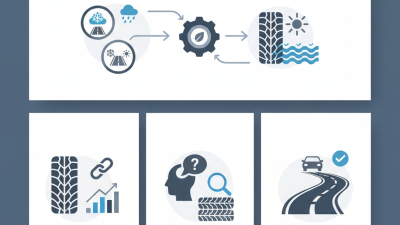
A useful comparison of all-terrain tyres starts with the surfaces an SUV actually sees. On wet pavement, tread channels must move water while shoulder blocks maintain grip through a sudden lane change. On gravel, deeper voids can bite into loose stones, but aggressive patterns may feel less composed on the highway. Small gains matter. A tyre that feels secure on a muddy access road may still brake less confidently on rain-slick asphalt, so one test result cannot describe every condition.
Rolling resistance adds another trade-off. The U.S. Department of Energy’s FuelEconomy.gov estimates that fuel economy falls by about 0.2% for each 1 psi drop across all four tyres; proper inflation can improve mileage by up to 3%. That figure is not specific to all-terrain tyres, but it shows why pressure and construction matter. NHTSA also notes that pressure drops roughly 1 psi for every 10°F temperature decrease. Check pressure cold, especially before a winter trip.
For a 2026 shortlist, compare wet braking, dry handling, loose-surface traction, cabin noise, and treadwear evidence—not just an aggressive-looking shoulder. Independent tyre tests, such as Consumer Reports’ evaluations, assess several of these performance areas under controlled conditions. Still, test vehicles and surfaces cannot perfectly match every SUV or trail. I would weigh quiet highway manners more heavily for daily driving, and accept some extra noise for frequent gravel use. The compromise is real, and a single “best” score can hide it.
All-terrain tyres face hot asphalt, gravel, mud, and sharp stones, so regular checks matter. Measure pressure when the tyres are cold, using the figure on your SUV’s door placard or owner’s manual. Do not guess. The number printed on a tyre’s sidewall is not usually the recommended pressure for your vehicle. Check again after major temperature changes or a heavy load.
After a rough drive, inspect the tread and sidewalls in good light. Look for cuts, bulges, exposed cords, or stones lodged between tread blocks. Remove loose debris carefully, but do not dig into the rubber with a sharp tool. Small cuts can hide damage. If you spot a bulge or deep split, have a tyre professional assess it before driving far.
Rotate tyres at the intervals recommended in your vehicle manual, and ask for an alignment check if the SUV pulls to one side or the tread wears unevenly. Keep within the vehicle’s load limits; extra cargo can add heat and stress. I admit that tyre checks are easy to postpone when a trip ends late. A quick look the next morning is better than relying on memory.
This is a brand-neutral selection guide, not a laboratory product ranking. The best choice depends on your SUV, tyre size, load and speed requirements, climate, and typical roads.
| No. | Best fit | What to look for | Trade-offs to consider | Fitment and safety check |
|---|---|---|---|---|
| 1 | Balanced everyday driving | A moderate all-terrain tread pattern designed for a mix of paved roads and occasional unpaved travel. | A compromise option may be less specialized in deep mud or on-road refinement than a purpose-built tyre. | Confirm the approved tyre size and load and speed ratings in the vehicle manual or placard. |
| 2 | Frequent wet-road driving | Look for circumferential grooves and tread design intended to evacuate water; check independent wet-braking tests where available. | An aggressive off-road tread is not automatically better in heavy rain; worn tread can increase wet-road risk. | Check tread condition regularly and replace tyres before they reach the legal minimum if wet performance is a concern. |
| 3 | Occasional snow and cold-weather travel | For severe-snow service, check for the Three-Peak Mountain Snowflake (3PMSF) symbol on the sidewall. | A 3PMSF marking indicates a defined snow-traction performance level; it does not make every all-terrain tyre equivalent to a dedicated winter tyre. | Check local winter-tyre rules and use suitable winter equipment for the conditions and route. |
| 4 | Rocky trails and gravel roads | Consider a robust construction and sidewall protection suited to the vehicle and terrain; inspect the sidewall after off-road trips. | Heavier, tougher constructions can affect ride comfort and fuel economy; avoid exceeding the vehicle's approved fitment limits. | After trail use, look for cuts, bulges, exposed cords, embedded objects, and pressure loss. |
| 5 | Soft ground and muddy tracks | A more open tread pattern can help clear mud compared with a tightly packed road-oriented pattern. | Open tread patterns can be noisier on pavement and may offer different wet-road behavior; compare independent tests. | Use only vehicle-manufacturer-approved pressures for road driving; reinflate to the specified cold pressure after off-road use. |
| 6 | Mostly highway use | Prioritize documented road comfort, wet braking, and noise results while retaining the level of off-road capability you need. | A road-focused all-terrain pattern may be less capable in deep mud or on difficult trails than a more aggressive design. | Follow the vehicle maker's rotation schedule to help manage uneven wear. |
| 7 | Regularly loaded or towing SUVs | Choose a tyre whose load index and construction meet the vehicle manufacturer's requirements for the intended load. | A higher load rating does not increase the vehicle's permitted payload or towing capacity. | Use the pressure specified for the vehicle and load; do not exceed the vehicle, tyre, or wheel limits. |
| 8 | Light-duty crossovers and compact SUVs | Look for an approved size and load rating, with a tread pattern appropriate to the amount of unpaved driving. | Do not assume a tyre that fits physically is approved; changes in size can affect clearance, handling, and speedometer readings. | Have a qualified tyre professional verify any non-standard size before purchase. |
| 9 | Mixed climates and changing seasons | Compare climate-specific test results and check whether the tyre carries the markings required for your conditions. | No single all-terrain tyre is ideal for every temperature, surface, and weather condition. | Inspect tread and pressure before seasonal trips and follow local equipment requirements. |
| 10 | Long-distance mixed-surface travel | Compare published treadwear warranties, test results, and service support; warranty terms vary and do not guarantee a fixed tyre life. | Actual service life depends on maintenance, load, climate, road surface, driving, and storage. | Check pressure, tread, and visible damage before long journeys; carry a suitable spare if the vehicle is equipped for one. |
| Task | Recommended timing | Safe practice |
|---|---|---|
| Check inflation pressure | At least monthly, before long trips, and after substantial temperature changes. | Measure when tyres are cold. Use the pressure on the vehicle placard or in the owner's manual, not the maximum pressure molded on the tyre sidewall. |
| Rotate tyres | At the interval specified by the vehicle manufacturer; many vehicles use intervals around 5,000–8,000 miles (8,000–13,000 km). | Follow the vehicle's rotation pattern and any directional-tyre instructions. The owner's manual takes priority over a general interval. |
| Inspect tread and sidewalls | Monthly and after off-road use or an impact. | Look for uneven wear, cuts, bulges, cracks, exposed cords, and lodged objects. Seek professional inspection for damage or sudden pressure loss. |
| Measure tread depth | Check regularly, especially before wet-weather or winter travel. | Replace tyres at the applicable legal limit. In the United States, the common legal minimum is 2/32 inch; replacing earlier may be prudent for wet or snow use. Requirements vary by location. |
| Check alignment and balance | When the vehicle pulls, the steering wheel is off-centre, vibration occurs, or tyres wear unevenly; also follow the vehicle service schedule. | Have a qualified technician diagnose the cause rather than relying on alignment or balancing to fix every type of wear or vibration. |
| Recheck after off-road driving | Before returning to normal road speeds. | Inspect for damage and restore the vehicle-specified road pressure. Only adjust pressure off-road when appropriate for the vehicle, tyre, terrain, and manufacturer guidance. |
Always follow the vehicle owner's manual, tyre manufacturer's instructions, and local regulations. Replace tyres in a way that preserves the vehicle's approved size, load capacity, and drivetrain requirements.
Reignite your passion for driving with Yokohama tires and experience the superior performance you deserve.