How to Choose the Right Tire Size in 2026?
Choosing the right tire size in 2026 is more than matching numbers on a sidewall. It is a safety decision involving handling, braking, comfort, fuel use, and vehicle stability. Tire Rack’s former tire-information director, John Rastetter, offers a practical reminder: “The right tire size begins with the vehicle manufacturer’s specification.”
Start with the tire placard inside the driver’s door or the owner’s manual. Record the full marking, including width, aspect ratio, construction, wheel diameter, load index, and speed rating. For example, 235/55R18 100V describes more than width and rim size. Each number affects how your vehicle carries weight and responds to steering.
Do not rely on appearance alone. A wider tire may look stronger, yet it can rub against suspension parts or reduce wet-road control. A lower profile can sharpen cornering, but it may transmit every pothole into the cabin. Small details matter.
Check the approved wheel width, clearance, load capacity, and TPMS compatibility. Compare reputable fitment databases, then confirm the result with a qualified tire professional. Vehicle trim, brake packages, and model-year updates can change the recommendation.
This guide focuses on those easily missed details. It also questions a common shortcut: choosing the biggest tire that fits. That choice may work visually, but it is not automatically safe or practical. Even careful owners can overlook axle ratings or winter-tire requirements. Perfect decisions are rare. Verification is the habit that protects against expensive mistakes.

Understanding Tire Size Markings and Their Meaning
How to Choose the Right Tire Size in 2026?
Understanding Tire Size Markings and Their Meaning
A tire marking such as 225/55R17 97V contains several important measurements. The number 225 shows the tire width in millimeters. The number 55 is the sidewall height, measured as a percentage of the width. Therefore, this sidewall is 55% of 225 millimeters. The letter R means radial construction. The number 17 indicates the wheel diameter in inches.
The final numbers also matter. The load index, 97 in this example, identifies the maximum weight capacity under specified conditions. The speed symbol, V, indicates a tested speed category. These ratings should meet or exceed the vehicle manufacturer’s requirements. A higher number is not automatically safer. It may change handling, comfort, or fuel use.
Other markings can describe construction or intended use. “XL” usually means extra load, while “M+S” may indicate mud and snow performance. However, marking systems can vary by market. Check the vehicle placard and owner’s manual before buying. Do not rely on appearance alone. A tire can look suitable but still have the wrong load rating. A common mistake is reading only the width and wheel size. I would make that mistake too without checking the full code. Measure carefully, and remember that replacement sizes may require professional approval.
How to Choose the Right Tire Size in 2026?
Understanding tire size markings helps you compare width, sidewall height, wheel diameter, and overall tire diameter before selecting a replacement.
How to read the marking: In a size such as 205/55R16, 205 is the tire width in millimeters, 55 is the aspect ratio, R indicates radial construction, and 16 is the wheel diameter in inches.
The chart uses nominal dimensions calculated from each size marking. Actual measurements can vary slightly by tire design, rim width, inflation pressure, and load.
Checking Your Vehicle’s Approved Tire Size Information
Before choosing a tire size in 2026, check your vehicle’s approved information first.
The tire placard usually sits inside the driver’s door frame, fuel flap, or glove box. It lists the original size, load index, speed rating, and recommended cold inflation pressure. The owner’s manual may show approved alternatives for different wheel sizes.
Do not copy the number molded on your current tire without checking the placard. A previous owner may have fitted an unsuitable size.
NHTSA’s Tire Pressure Monitoring System research found that TPMS reduced the risk of severely underinflated tires by about 55 percent. That figure shows why correct specifications matter beyond appearance.
Compare every detail, including width, aspect ratio, wheel diameter, load index, and speed rating. A tire can fit the rim but still carry too little weight safely.
Check all four tires when cold, preferably before driving. Record the information with a phone photo. Simple, but useful.
USTMA technical guidance also stresses matching replacement tires to the vehicle’s original load and performance requirements.
I once focused too much on diameter and overlooked the load index. That was a poor shortcut.
If the placard and manual seem unclear, ask a qualified tire technician to verify the approved fitment before purchasing.
Confirming Compatibility Before Purchasing and Installing Tires
How to Choose the Right Tire Size in 2026?
Confirming Compatibility Before Purchasing and Installing Tires
Choosing a tire size requires more than matching numbers from an online listing. Check the vehicle placard, owner’s manual, and current tire sidewall. These sources show the recommended width, aspect ratio, rim diameter, load index, and speed rating. The vehicle placard is usually found inside the driver’s door frame. Start there.
Measure the wheel carefully. A tire must match the rim diameter exactly. Its width should also fit the wheel and suspension clearance. Check the space near the strut, fender, and steering components, especially with aftermarket wheels. Leave room for normal movement. Do not assume a larger tire will improve handling. It may rub during turns or change the speedometer reading.
Load capacity deserves close attention.
Each replacement tire should safely support the vehicle’s weight, including passengers and cargo. Confirm the tire’s load index meets or exceeds the vehicle requirement. The speed rating should also match the manufacturer’s specification. Mixing different sizes can affect braking, traction, and electronic safety systems. Four-wheel-drive vehicles may require closely matched rolling diameters.
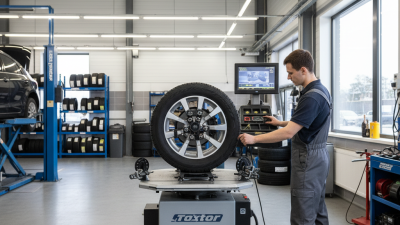
Ask a qualified tire technician to verify the fit before payment. I once focused too heavily on width and overlooked wheel offset. That mistake could have caused clearance problems. Online calculators help, but they are not physical inspections. Recheck the measurements after installation, then inspect for rubbing on a full-lock turn. Reconsider the purchase if any detail remains uncertain.