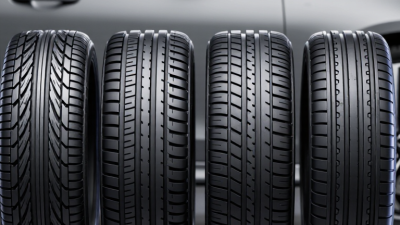
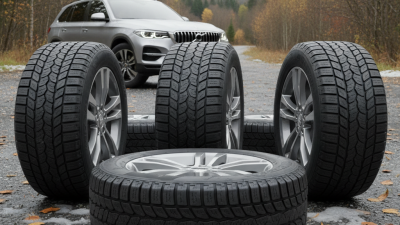
Choosing the right tire size is more than matching numbers on a sidewall. Those numbers describe width, aspect ratio, construction, and wheel diameter, but they do not tell the whole story. Small details matter. Load and speed ratings also affect whether a tire suits your vehicle and typical driving conditions. A size that looks close may still change handling, clearance, or the accuracy of your speedometer.
A reliable check starts with the tire information placard, often found inside the driver’s door, and the owner’s manual. Compare those specifications with the markings on your current tires. Do not assume the old tires are correct; a previous owner may have chosen an unsuitable replacement. Check all four tires, since sizes can differ between the front and rear on some vehicles. Also consider a temporary spare separately, because it may follow different specifications. If the placard is missing or unclear, ask a qualified tire professional or contact the vehicle manufacturer.
This guide shares seven practical tips for finding the right tire size, from reading sidewall codes to checking fitment before buying. It also explains why seasonal needs, vehicle use, and manufacturer guidance deserve attention. A quick online lookup can help, but it should not replace verification against reliable vehicle information. Measure twice. The right match supports predictable performance and helps you avoid an expensive guess. One caveat: tire choice is not always simple, so pause and verify when details conflict.
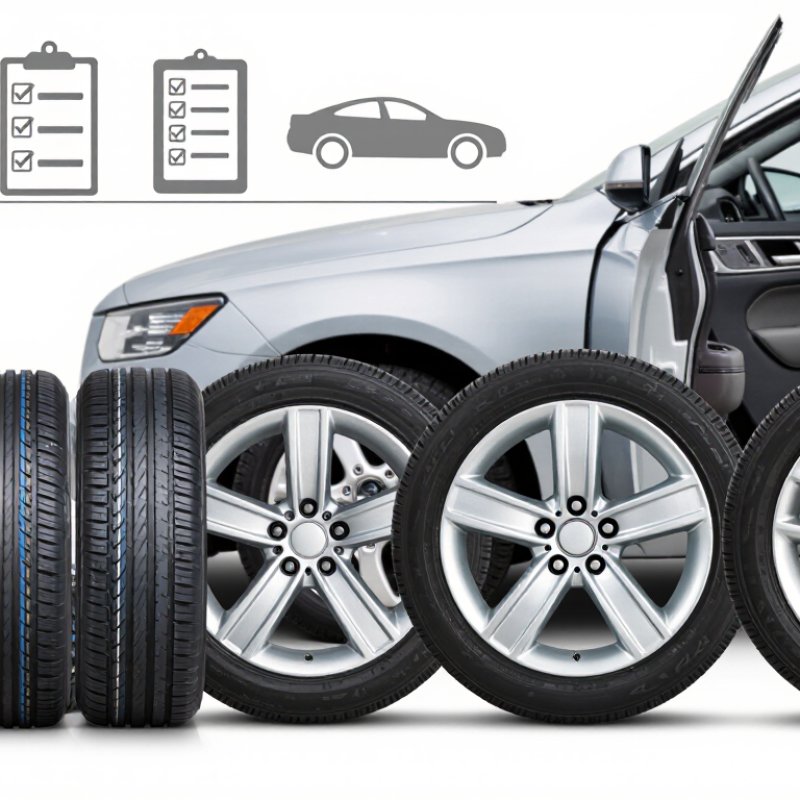
Your vehicle’s recommended tire size is usually printed on a placard inside the driver’s door frame. Open the door and look near the latch or along the frame. You may also find it in the owner’s manual. The label often lists a code such as 225/65R17, along with load and speed ratings. Each part matters: the numbers describe tire width, sidewall proportion, and wheel diameter. The letters and final ratings provide additional fit and performance information. Check the whole specification, not just the first number. That matters.
The tires already on the vehicle are useful clues, but they are not always the original fit. A previous owner may have installed a different size, and it can look perfectly normal. Compare the tire sidewall with the door placard or manual before buying replacements. Also check that the load rating meets the vehicle’s recommendation. Tire pressure is a separate detail; use the pressure listed on the vehicle placard, not the maximum printed on the tire. A small detail. If the placard is missing, the manual is unclear, or the vehicle has altered wheels or suspension, ask a qualified tire professional to verify the fit. I would not guess from appearance alone; even a slight size difference can affect clearance or speed readings.
Look for a code such as 225/60R17 on the tire’s sidewall. The first number is the tire’s width in millimeters. The second is its sidewall height as a percentage of that width. R indicates radial construction, and 17 is the wheel diameter in inches. Read each character carefully. Dirt, worn lettering, or a quick glance can make a 6 look like an 8. The sidewall tells you what is fitted now, but not always what your vehicle requires. Check the driver-side door placard or owner’s manual, too.
Tip: Photograph the full code in good light. Compare it with the placard. Check twice.
Also note the load index and speed rating printed beside the size. These figures matter when choosing a replacement, even though they are not part of the size itself. A tire with matching numbers may still have a different rating. Some vehicles use different sizes on the front and rear, so inspect all four tires rather than assuming they match. If the markings are damaged or confusing, ask a qualified tire professional to verify them against the vehicle information. It can feel fussy, but guessing from appearance is not a reliable shortcut.
A tire code can look like a string of random characters until you read it in sections.
Take P215/60R16 95H. The P indicates a passenger tire, while 215 is its width in millimeters. The number 60 is the aspect ratio: the sidewall height is 60 percent of the tire’s width. R means radial construction, and 16 is the wheel diameter in inches. Small details matter.
The final figures and letter describe capacity and speed. The load index, 95 in this example, corresponds to a specific maximum load under stated conditions; it is not the tire’s weight. H is a speed rating, not a recommended driving speed.
Check the vehicle’s door-jamb placard or owner’s manual before choosing a replacement. A matching diameter alone is not enough. Some vehicles use codes beginning with LT, and their load requirements may differ.
I find it easy to focus on the large numbers and miss the letters. That can lead to a poor fit. Read the full code, then confirm the tire’s specifications with a qualified tire professional if anything is unclear.
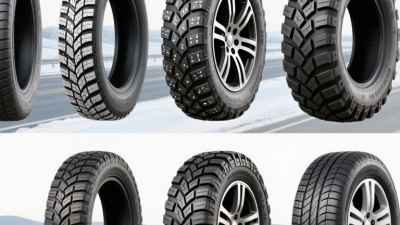
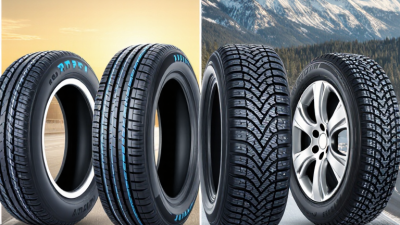
Your daily route should guide the comparison more than a tire’s label. For mostly dry commutes and occasional rain, touring or all-season tires often offer steady handling and a quieter ride. On wet roads, look for clear tread grooves that channel water, and compare wet-braking performance when reliable test data is available. A deeper tread is not automatically safer in every condition. Winter tires use rubber that stays more flexible in cold weather, helping maintain grip on snow and icy pavement. They may wear faster in warm months. That trade-off matters.
If your weekends include gravel roads, compare all-terrain tires with standard all-seasons. The tougher tread can feel reassuring on loose surfaces, but may add road noise and reduce comfort on pavement. For frequent heavy rain or mountain travel, think about the conditions you actually face, not just the occasional storm. Before buying, confirm the size, load index, and speed rating against your vehicle’s door placard or owner’s manual. Those details are easy to overlook. A tire can fit the wheel and still be unsuitable for the vehicle. I’d compare a few options on the same criteria: wet grip, expected mileage, noise, and seasonal performance. The quietest choice may not feel best on a rutted lane.
| Tip | What to Check | Useful Comparison Data | How to Apply It |
|---|---|---|---|
| 1. Start with the vehicle’s approved size | Check the tire-information placard, usually on the driver-side door area, and the owner’s manual. | A vehicle may have different approved sizes for the front and rear axles, or different fitments for different wheel packages. | Use the listed size and specifications as your baseline. Do not rely on the tire currently fitted if you are unsure it is correct. |
| 2. Decode the size carefully | Read the full size marking, including its letters and numbers. | In 205/55R16, 205 is nominal section width in millimetres, 55 is the aspect ratio, R indicates radial construction, and 16 is the wheel diameter in inches. | Compare each part of the size, not just the wheel diameter or the apparent width of the tire. |
| 3. Match the wheel diameter | Confirm the tire’s stated wheel diameter matches the wheel it will be mounted on. | A tire marked R16 is designed for a 16-inch-diameter wheel; it is not interchangeable with an R17 tire on that same wheel. | If considering a different wheel package, verify that the wheel and tire combination is approved for your vehicle. |
| 4. Compare overall diameter and clearance | Check the proposed tire’s overall diameter, width, and vehicle clearance. | For example, a 205/55R16 tire has a calculated nominal diameter of about 632 mm. Actual dimensions vary by tire design and manufacturer specifications. | Use an approved fitment guide or a qualified tire professional before changing size. A different rolling circumference can affect speedometer readings, clearance, and vehicle systems. |
| 5. Match load and speed ratings | Compare the load index and speed symbol on the tire with the vehicle requirements. | These ratings appear after the size, such as 91V. The load index identifies a standardized load capacity per tire; the speed symbol indicates a standardized speed category under specified conditions. | Meet the vehicle maker’s minimum requirements and consider the vehicle’s actual loading. A size match alone does not confirm that a tire is suitable. |
| 6. Choose a tread type for your driving conditions | Consider typical temperatures, rainfall, snow, road surfaces, and driving patterns. | Summer, all-season, and winter tires use different tread and rubber designs. Their traction characteristics vary with temperature and road conditions. | Compare independently tested performance for the conditions you regularly face. Check local rules if winter tires or other seasonal equipment are required. |
| 7. Compare like-for-like options and maintain them | Compare tires in the same approved size and rating, then check pressure and wear regularly. | Vehicle placards specify recommended cold inflation pressure for the original fitment. Tire pressure changes with temperature, and tread depth decreases as a tire wears. | Follow the vehicle manual for pressure, rotation, and replacement guidance. Replace tires when they reach the applicable legal tread limit or show damage or irregular wear. |
Important: Tire-size examples are illustrative. Confirm fitment, load and speed requirements, and inflation pressure in your vehicle documentation before purchasing or changing tires.
Before buying replacement tires, verify fitment using the vehicle’s door-jamb placard and owner’s manual. Check the exact year, model, trim, and wheel package; two versions of the same vehicle may use different sizes. Read the full tire marking, such as 225/60R17, and compare it with approved sizes, not just the tire currently installed. A previous owner may have fitted an unsuitable size. The sidewall shows what is on the vehicle, not whether it is correct. Small details matter. Confirm that the load index and speed rating meet the vehicle’s requirements, too.
Then check wheel diameter and width, along with clearance around the suspension and body. If the vehicle has aftermarket wheels, a lift, or changed suspension, factory recommendations may not tell the whole story. Ask a qualified tire professional to confirm compatibility and check for rubbing; bring a photo of the placard and your wheel details. Compare complete specifications, not only width. Consider spare-tire compatibility, especially if front and rear sizes differ. It is tempting to treat matching numbers as enough, but that can overlook load ratings and clearance. If anything remains uncertain, pause before ordering.
These nominal diameters are calculated from the size codes shown: wheel diameter plus twice the tire’s sidewall height. Actual tire dimensions can vary by tire model. Before buying, check your vehicle’s tire placard or owner’s manual, and confirm that the replacement size is approved for your vehicle and wheel.
Reignite your passion for driving with Yokohama tires and experience the superior performance you deserve.